
Last updated November 2, 2026
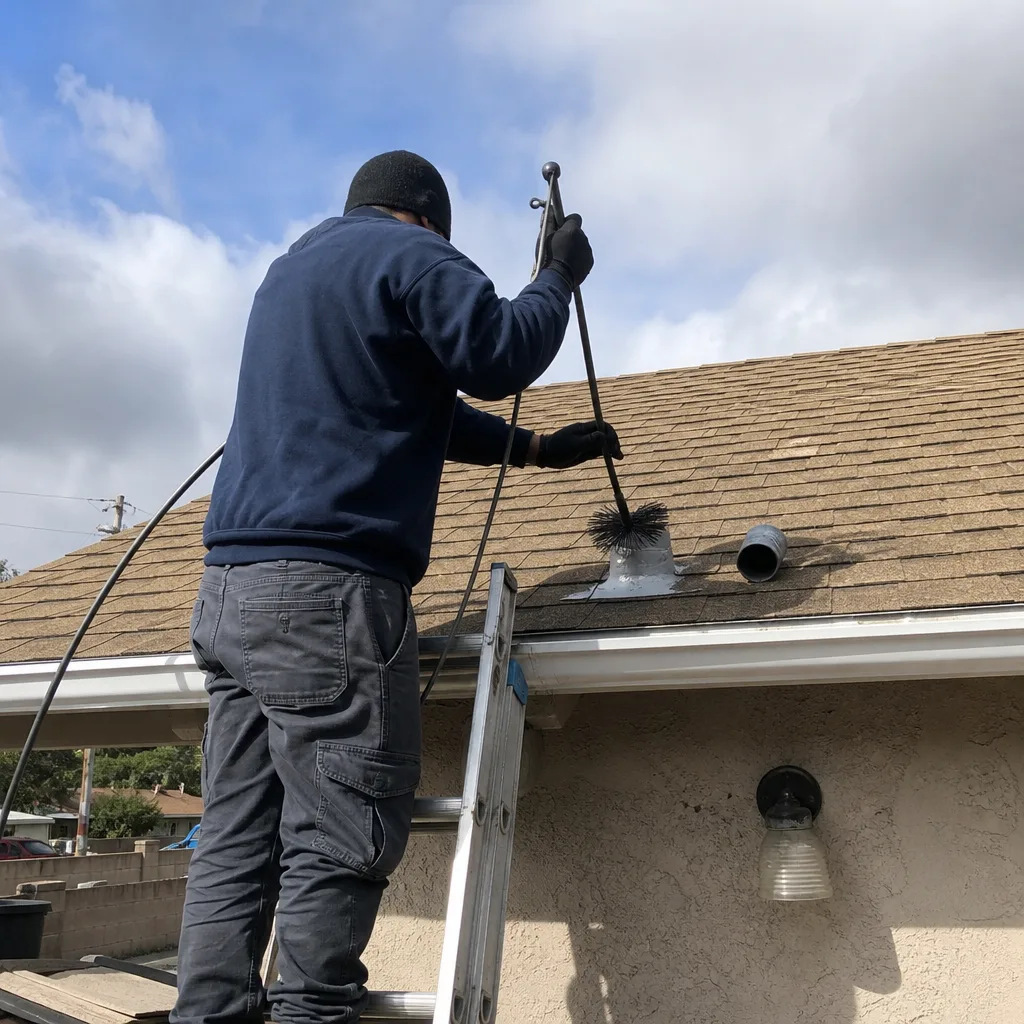
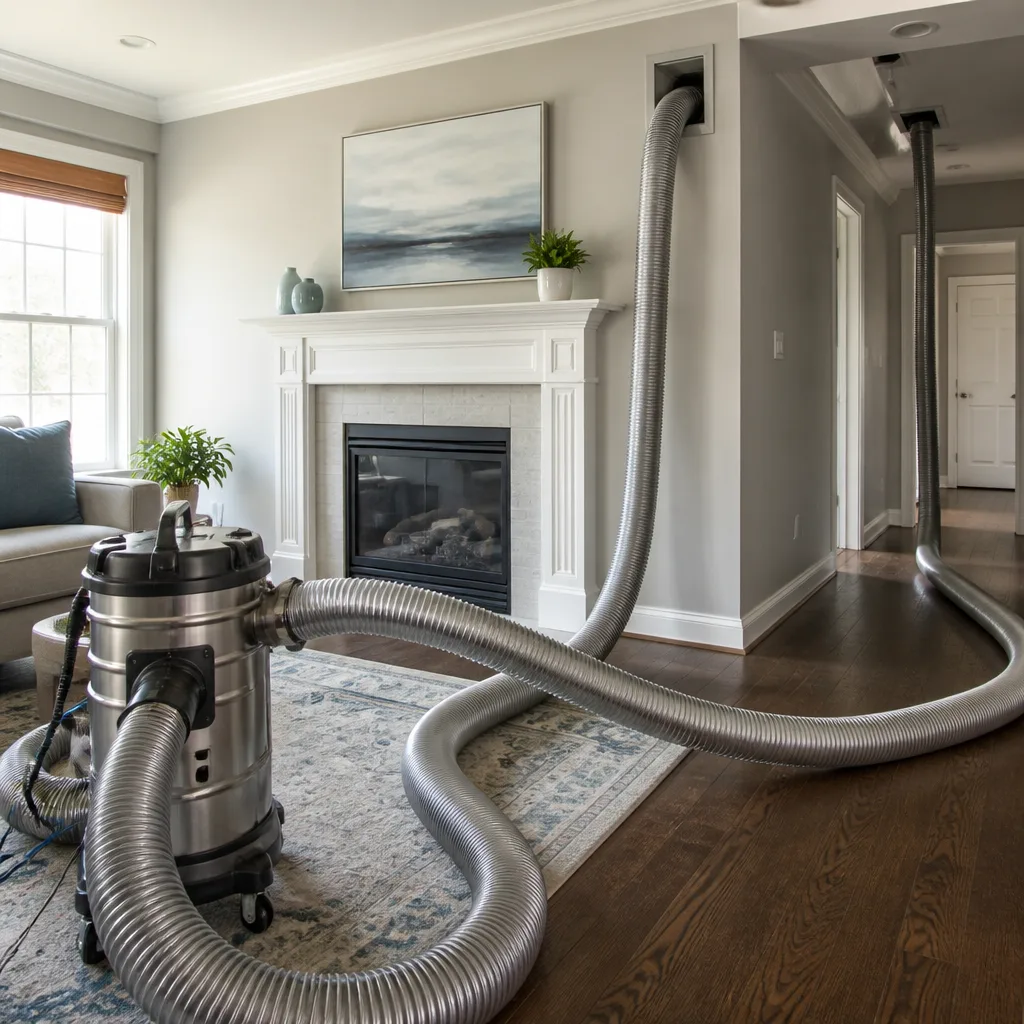 Whole-home duct cleaning
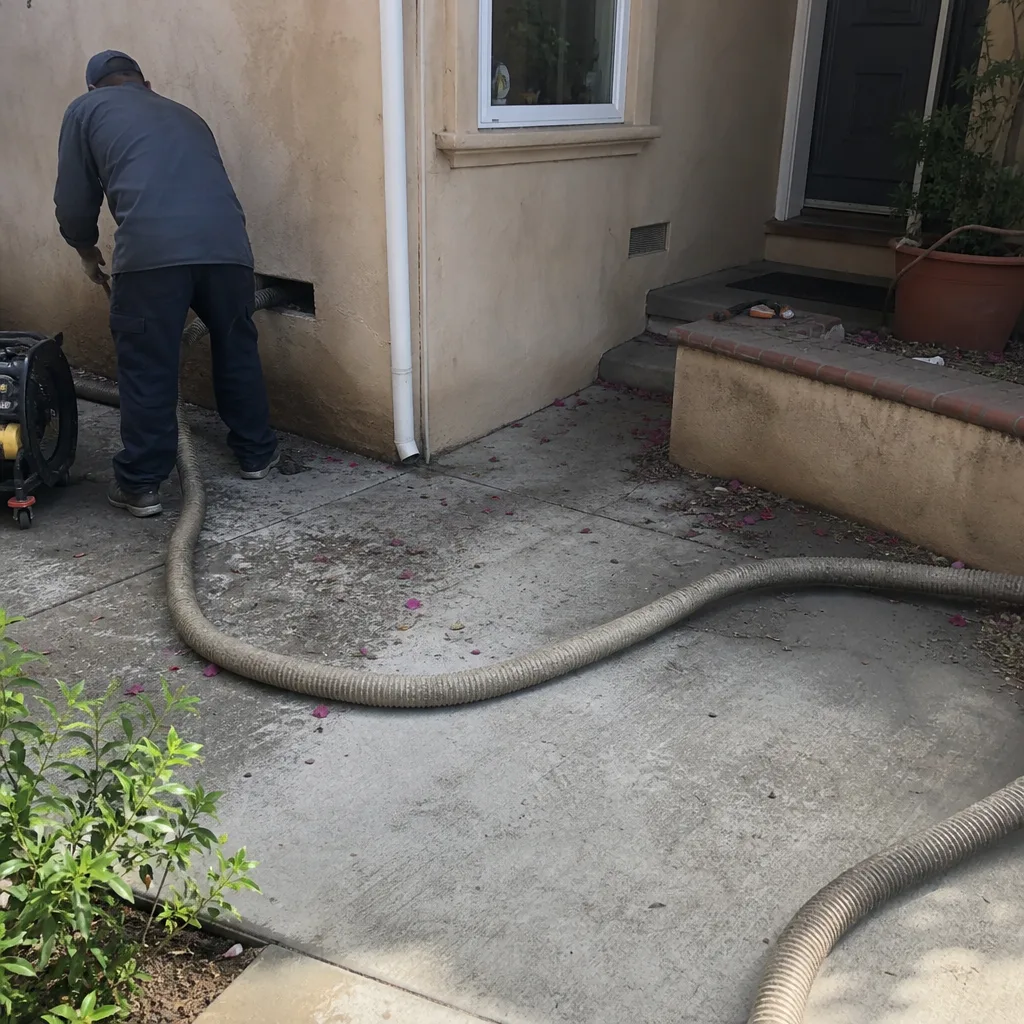
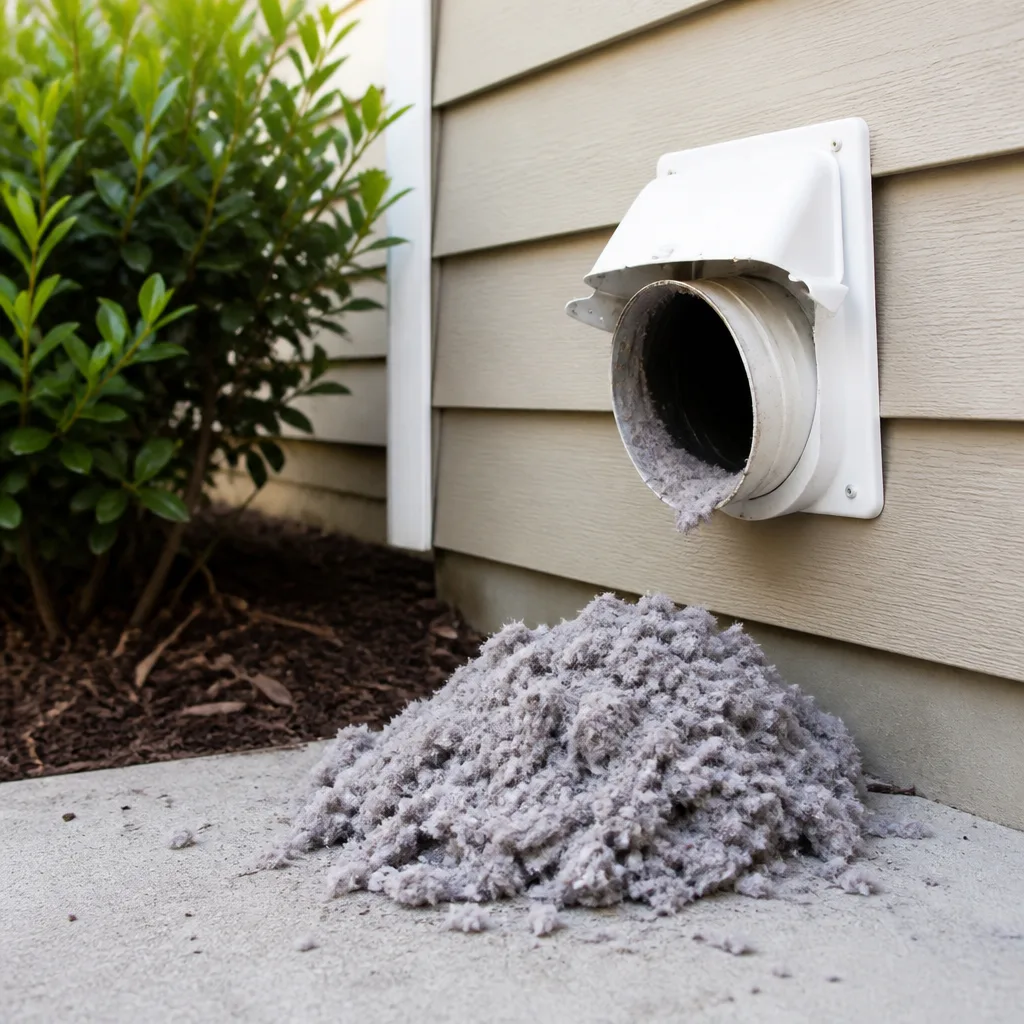 Dryer vent cleaning
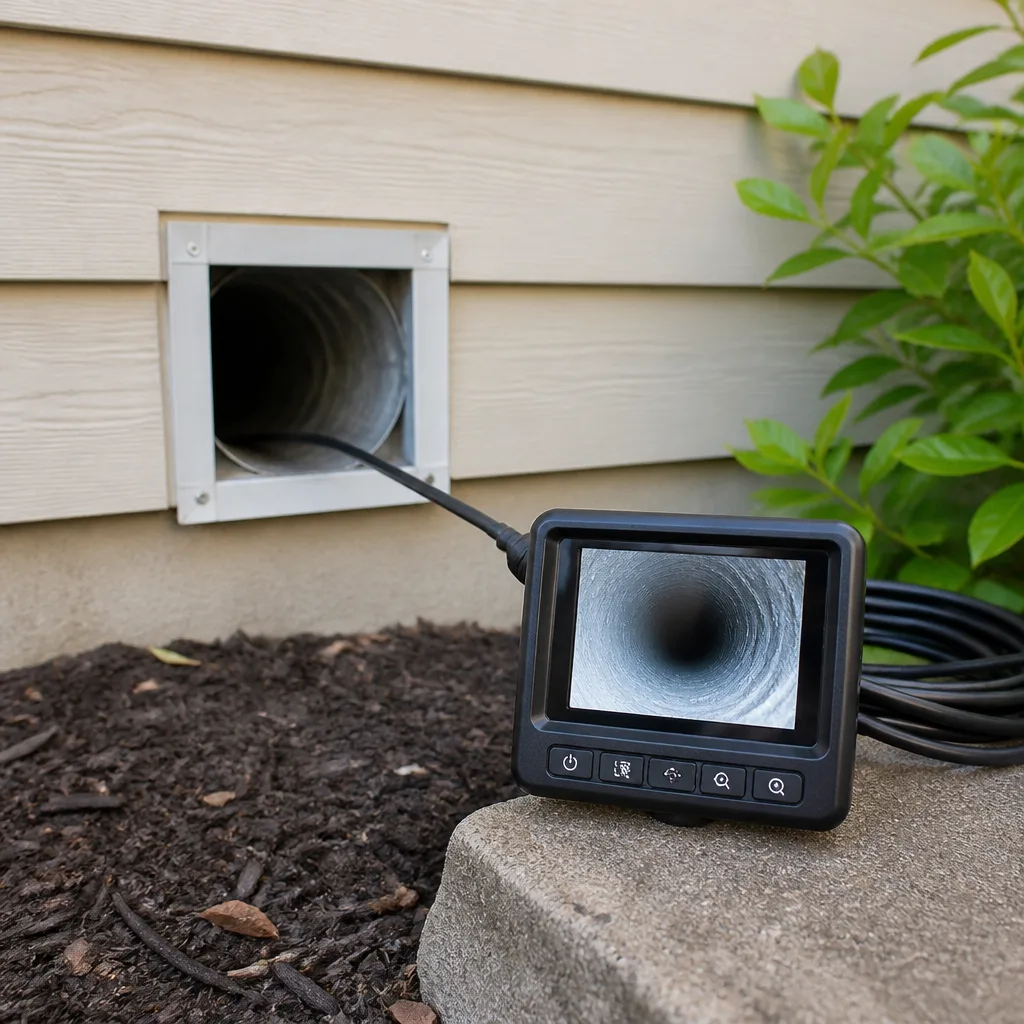 Camera inspection
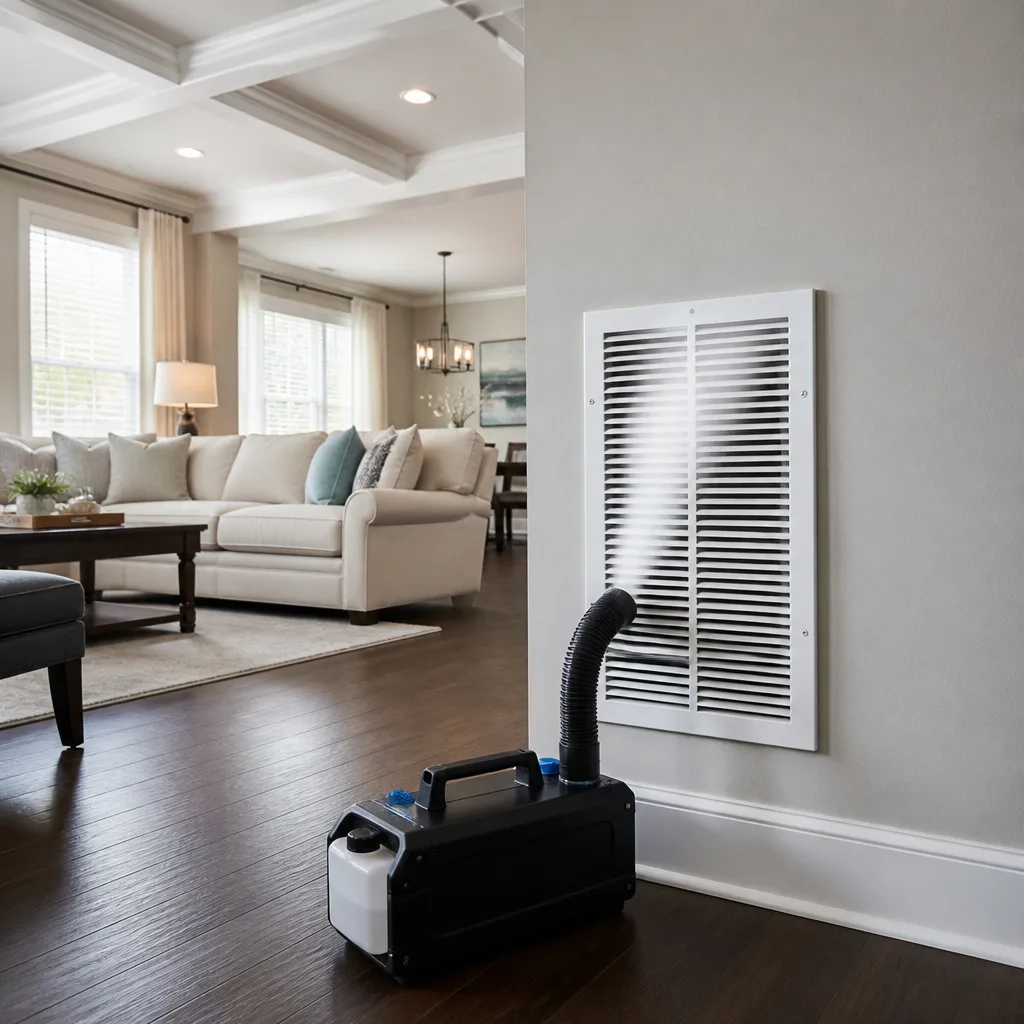 Sanitizing & deodorizing
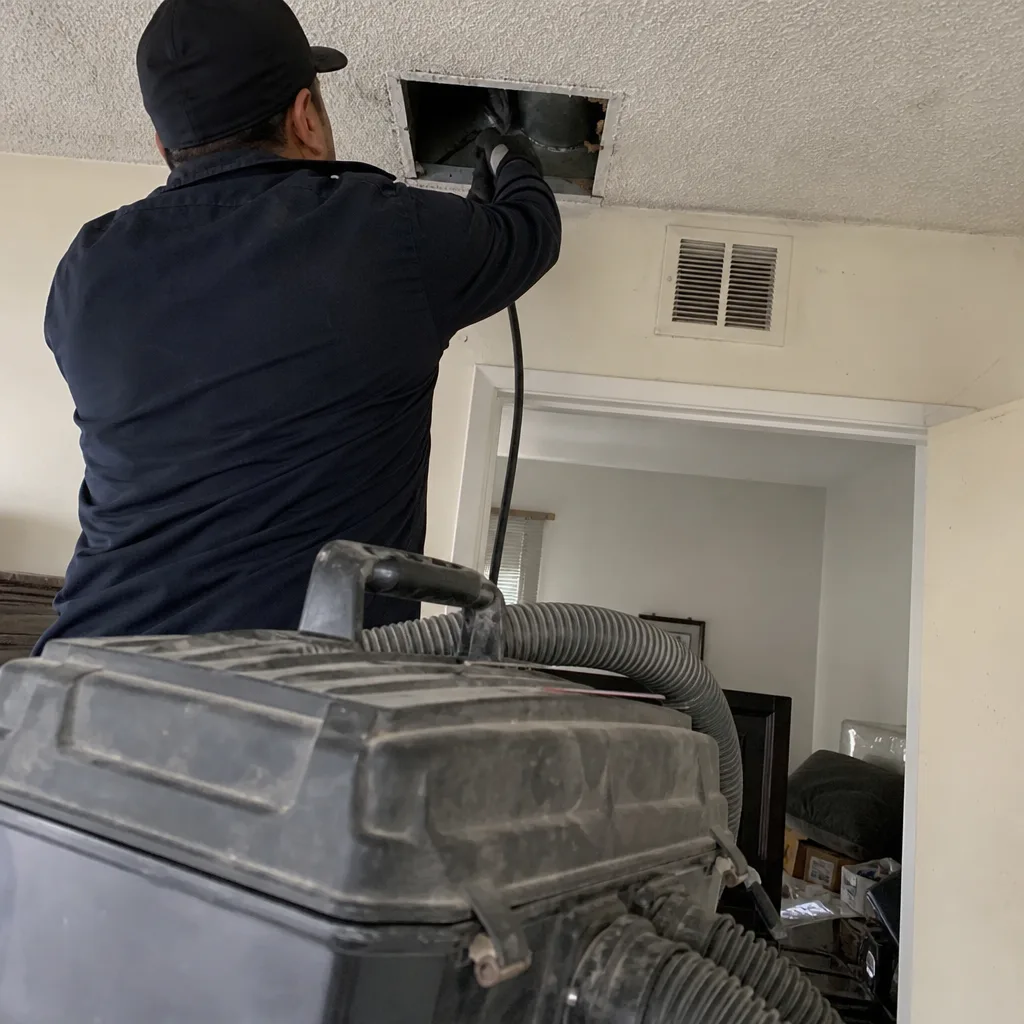
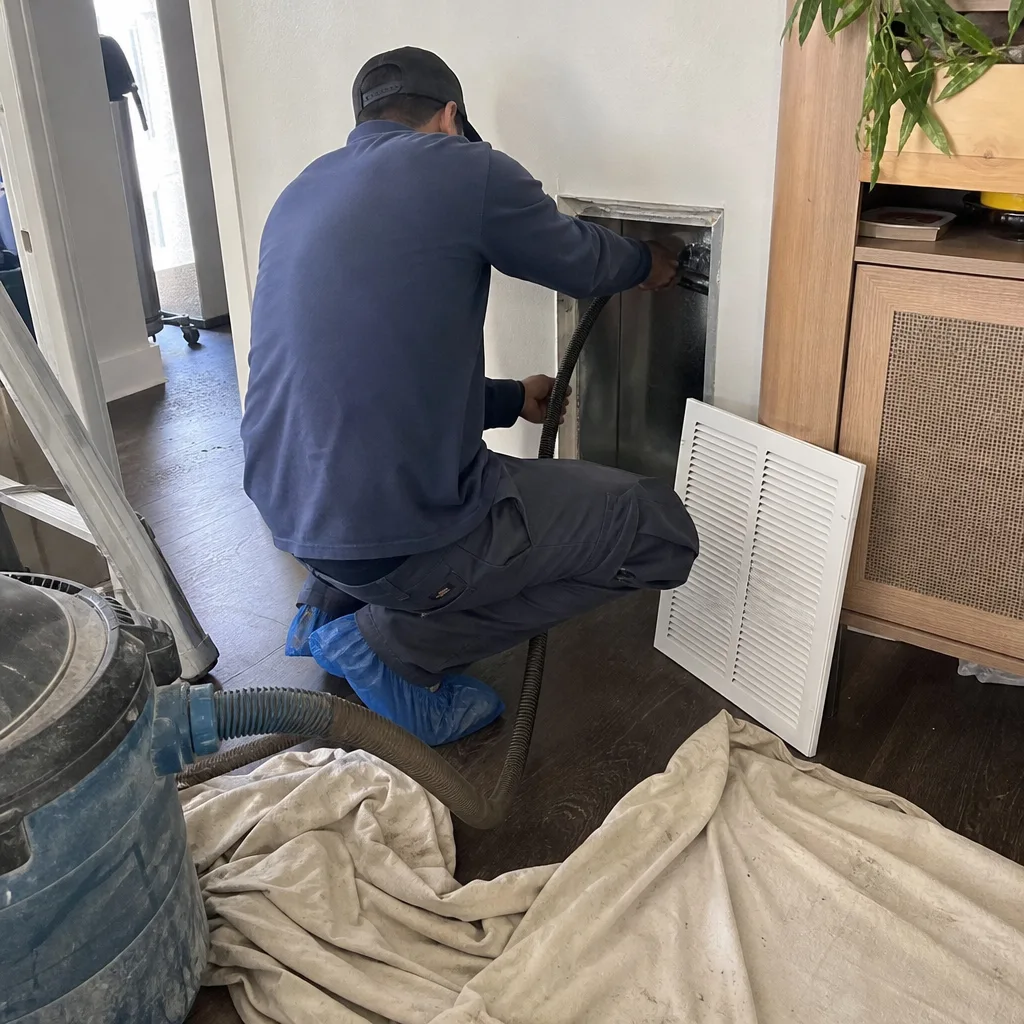
Whole-system duct and dryer vent check with before-and-after photos - you see exactly what came out of your vents
That "$99 whole-house special" is a bait ad - the real number appears once they are in your hallway, or the "clean" is a shop-vac at the register. We photograph the inside of your ducts before and after instead.
Seasonal Air Duct Cleaning Care for Carson: Year-Round Homeowner’s Guide
Carson sits in a narrow band between the Port of Long Beach diesel corridor and the Pacific marine layer. That location creates a particulate mix you won’t find in Torrance or Lakewood. Diesel soot from the 710 and 405 corridors bonds with marine-layer moisture, forming a hygroscopic film that clings to duct walls instead of settling as loose dust. Most homeowners here schedule one cleaning a year and assume that’s enough. It usually isn’t. This guide explains why Carson’s climate puts four distinct stress periods on your duct system each year, what to watch for in each season, and how a two-visit annual Air Duct Cleaning schedule catches what a single visit misses. We’ll cover humidity thresholds, Santa Ana particulate spikes, filter protocol, and the specific failure points we see in flex duct runs throughout Carson neighborhoods.
Styles & brands we work with
- Whole-home duct cleaning
- Dryer vent cleaning
- Camera inspection
- Sanitizing & deodorizing
Quick Answer
In Carson, CA, residential duct systems perform best with a two-service-per-year schedule: one deep cleaning in late spring after the marine-layer season ends, and one inspection-focused service in late fall after the first Santa Ana wind events. The marine layer loads ducts with moisture that causes particulate to adhere to duct walls, while Santa Ana winds push fine particulate through return-air leaks and overwhelm standard filters. A single annual cleaning typically misses one of these two load periods, leaving 4 to 6 months of accumulated debris in the system each year.
Table of Contents
- Winter and the Marine Layer: Moisture, Mold Adhesion, and Flex Duct Vulnerability
- Spring Transition: Why Post-Rainy-Season Is the Highest-Yield Cleaning Window
- Santa Ana Wind Season: Particulate Intrusion Through Return Air Leaks
- Summer Runtime: Static Pressure, Return Grille Loading, and Heat Island Effects
- How to Build a Two-Service-Per-Year Schedule for Carson Homes
- A Seasonal Self-Inspection Checklist for Carson Homeowners
- Common Mistakes to Avoid
- When to Call a Professional
- Frequently Asked Questions
- The Bottom Line
Winter and the Marine Layer: Moisture, Mold Adhesion, and Flex Duct Vulnerability
From roughly December through March, Carson’s marine layer settles in most nights and often burns off late in the morning. Attic temperatures drop, relative humidity climbs above 60% for sustained periods, and flex duct runs in unconditioned attics begin absorbing ambient moisture. The problem isn’t water dripping from ducts. The problem is what that moisture does to the particulate already inside them.
Household dust is a mixture of skin cells, textile fibers, pet dander, and pollen. Add Carson’s coastal air chemistry and you get something different: a fine coating of sodium chloride from the Pacific, mixed with diesel particulate from the Port of Long Beach truck routes along the 710 and 405. When humidity rises, this salt-heavy dust absorbs moisture from the air. It becomes tacky. Instead of lofting loose in the airstream, it adheres to the inner liner of flex duct, particularly on the vinyl surface that forms the duct wall.
That adhesion is the precursor to biological growth. Mold spores are always present in outdoor air. When they land on a moist, nutrient-rich surface inside a duct, they can begin colonizing. We’re not describing a guaranteed mold outbreak. Most Carson homes with functioning HVAC systems and moderate indoor humidity will not develop visible mold inside ducts. But the conditions for surface adhesion of mold spores are measurably higher during the marine-layer season than during any other time of year. That’s why we treat the late-winter period as an inspection window, not a cleaning-demand period.
What to Inspect During Marine-Layer Season
- Register surfaces: Remove one supply register and feel the inner duct surface within arm’s reach. If it feels tacky or leaves a residue on your finger, moisture-driven adhesion is present.
- Filter condition gap: If your filter shows discoloration in uneven patches rather than uniform gray, the patchy areas often indicate moisture-affected particulate clumping rather than uniform dust loading.
- Attic flex duct sags: Flex duct that sags more than 1/2 inch per foot of run traps condensation at the low point. The sag itself doesn’t indicate moisture, but it creates a collection point where moisture-affected dust will concentrate.
- Musty air on system startup: If the first 30 seconds of airflow after the system kicks on carries a mild musty note, that’s colonized dust on the blower wheel or duct liner being stirred up. This is the signature marine-layer signal.
One thing that surprises many Carson homeowners: a dirty duct system is actually worse at managing humidity. Debris on the evaporator coil and blower wheel reduces airflow across the coil. Lower airflow means the coil runs colder, which means it pulls less moisture out of the air per cycle. The system ends up working harder while removing less humidity. That feedback loop accelerates the adhesion problem.
This is also why we recommend avoiding cheap fiberglass filters during marine-layer season. They’re already poor at capturing fine particulate; add moisture and they quickly become clogged mats that restrict airflow and shed fibers into the airstream. We tell Carson customers to run pleated filters rated MERV 8 to 11 during the winter months, and to check them monthly regardless of stated replacement interval.
Spring Transition: Why Post-Rainy-Season Is the Highest-Yield Cleaning Window
If you only schedule one duct cleaning per year in Carson, schedule it in April or May. Here’s why.
Through the marine-layer months, the system accumulates all the debris described above. Then, spring brings two simultaneous changes. First, temperatures rise and the marine layer retreats. Attics dry out. The tacky film inside ducts desiccates and begins to loosen. Second, homeowners start running their HVAC systems in cooling mode for the first time in months. That startup kicks up loosened debris and pushes it through the system. What was adhered to the duct wall in February becomes airborne dust in May.
The seasonal switch is also when homeowner awareness peaks. Windows get opened. Dust accumulates visibly on furniture within days of cleaning, not weeks. Allergies flare as Carson’s ornamental landscaping and the nearby Dominguez Hills wildland areas start shedding pollen. Homeowners notice because the effects are visible and physiological. That’s coincidence; the underlying mechanical cause is the winter accumulation being mobilized by dryer air and higher airflow velocity.
This makes late spring the highest-yield period for a professional cleaning. The debris from the previous season is fully loosened and recoverable. A system cleaned in April or May starts summer with the cleanest possible coil, blower, and duct surfaces. From an equipment-efficiency standpoint, that matters a great deal, which our Air Duct Cleaning Cost Breakdown: The Carson Homeowner’s Reference for 2026 covers in detail.
Why Post-Rainy-Season Cleaning Beats Pre-Rainy-Season Cleaning
- Debris has stabilized. During winter, the system is actively acquiring and holding debris. During spring, acquisition pauses and desorption begins. Cleaning during the stabilization window captures everything, not just what happens to be loose that day.
- Cooling season demand is ahead. A system entering summer with reduced airflow from clogged coils works harder and costs more. Cleaning before the high-runtime season maximizes the efficiency benefit.
- Inspections are more accurate. When the system is dry, separation points, disconnected flex runs, and plenum leaks are easier to see. Moisture hides these failures. That’s a specific reason our Air Duct Repair in Manhattan Beach capability pairs so naturally with spring cleanings: dry conditions reveal what wet conditions conceal.
For Carson duplex owners and property managers responsible for multiple units, spring is also the season when tenant complaints about airflow and dust peak. One scheduled visit in May addresses the complaint cycle before it starts, which is more efficient than reactive service calls in July.
Santa Ana Wind Season: Particulate Intrusion Through Return Air Leaks
Santa Ana winds hit Carson hard, and not just because of the fire risk in the surrounding hills. The winds create a pressure condition that stresses the sealed envelope of a home’s HVAC system. Air always moves from high pressure to low pressure. When a Santa Ana event brings strong offshore winds, windward sides of homes experience positive pressure, while leeward sides and attics experience negative pressure. That pressure differential drives outdoor air through every gap in the building envelope, including the duct system.
The particulate load during Santa Ana events is unlike anything else in the Carson seasonal cycle. Offshore winds carry fine dust from the Inland Empire and high desert, mixed with whatever combustibles are burning. The particles are extremely fine, consistently in the sub-micron to PM2.5 range. Standard residential filters, even good pleated filters, capture maybe 60 to 70 percent of particles in that size range on a single pass. The rest either pass through to the coil or deposit in return ducts.
The critical vulnerability point is the return side. Return ducts in many Carson homes, especially those built between the 1960s and 1980s before sealed-combustion HVAC became standard, run through unconditioned spaces with less sealing than supply ducts. They’re under negative pressure relative to the attic or crawlspace, which means every seam, joint, and pinhole acts like a vacuum inlet pulling in whatever surrounds it. During Santa Ana events, that surrounding air is loaded with wind-driven particulate.
The result is that your return ducts become the intake system for outdoor air you never intended to filter through your evaporator coil. Filter grilles catch some of it. The rest loads onto the blower wheel, the coil, and the duct interior surfaces.
Filter Protocol for Santa Ana Season
- Check filters before and after wind events. A filter that was white last week and is noticeably gray or brown after a Santa Ana event has done its job and is partially loaded. It should be replaced, not just inspected.
- Temporarily switch to a higher-MERV filter during wind events. A MERV 11 or 13 pleated filter provides substantially better capture of fine wind-blown particulate than a MERV 8. The trade-off is increased pressure drop, so this is a temporary measure, not a permanent filter choice.
- Inspect return grilles for visible dust accumulation lines. If dust streaks form on the grille louvers themselves, that’s evidence of high-velocity particulate passing through. The grille is the canary; the return duct is the coal mine.
- Run the system fan continuously during the worst wind days. Continuous fan operation doesn’t just keep air moving; it maintains slight positive pressure in the supply side of the home, which can limit backdraft through return leaks. This is not a cure for seal failure, but it reduces intrusion rates meaningfully.
None of these steps replace real return-duct sealing. That’s a repair service, and it’s a common finding during our fall inspections in Carson. Small gaps in return plenums and panned joist returns contribute independently of weather. Santa Ana season simply makes their effects visible. Homes within a half-mile of the 710 or the railroad corridor in central Carson accumulate wind-blown particulate at two to three times the rate of homes further east, purely due to ambient dust load in the incoming air.
Summer Runtime: Static Pressure, Return Grille Loading, and Heat Island Effects
Carson gets real heat, particularly in the neighborhoods east of Avalon Boulevard, where pavement and industrial roofing create a strong urban heat island. Summer outdoor temperatures routinely run 5 to 8 degrees hotter there than on the coastal side of the 110. That means more cooling-system runtime, and more runtime means more air passes through the same ducts every day.
Duct loading is a function of two variables: particulate concentration in the airstream and total air volume. Summer doesn’t change particulate concentration much unless wildfires are active. What summer changes is air volume. A system running 10 hours a day instead of 4 moves 2.5 times as much air through the same duct surfaces. Every cubic foot of air carries some amount of dust, skin cells, cooking aerosol, pet dander, and outdoor particulate drawn in through the building envelope. At 2.5 times the daily volume, the rate of debris accumulation on return grilles and coils increases roughly proportionally.
This is also the season when static pressure rises. Static pressure is resistance to airflow. As the coil loads with particulate and the blower wheel accumulates debris, resistance goes up. A system originally designed to move, say, 1,200 CFM might be moving 950 CFM once the coil is loaded. The blower motor still draws power; it just moves less air. Total cooling capacity drops. Run times get longer to meet thermostat setpoint. Longer run times accelerate further debris accumulation. It’s a compounding loop.
Return grille loading is the most visible summer signal. During high-runtime periods, the return grilles in homes become visibly matted with dust, pet hair, and lint much faster than in other seasons. That matting increases pressure drop across the return, which further reduces total system airflow. In our experience with Carson homes near the industrial corridor, return grilles should be vacuumed or wiped monthly during peak summer, and checked bi-weekly during heat waves.
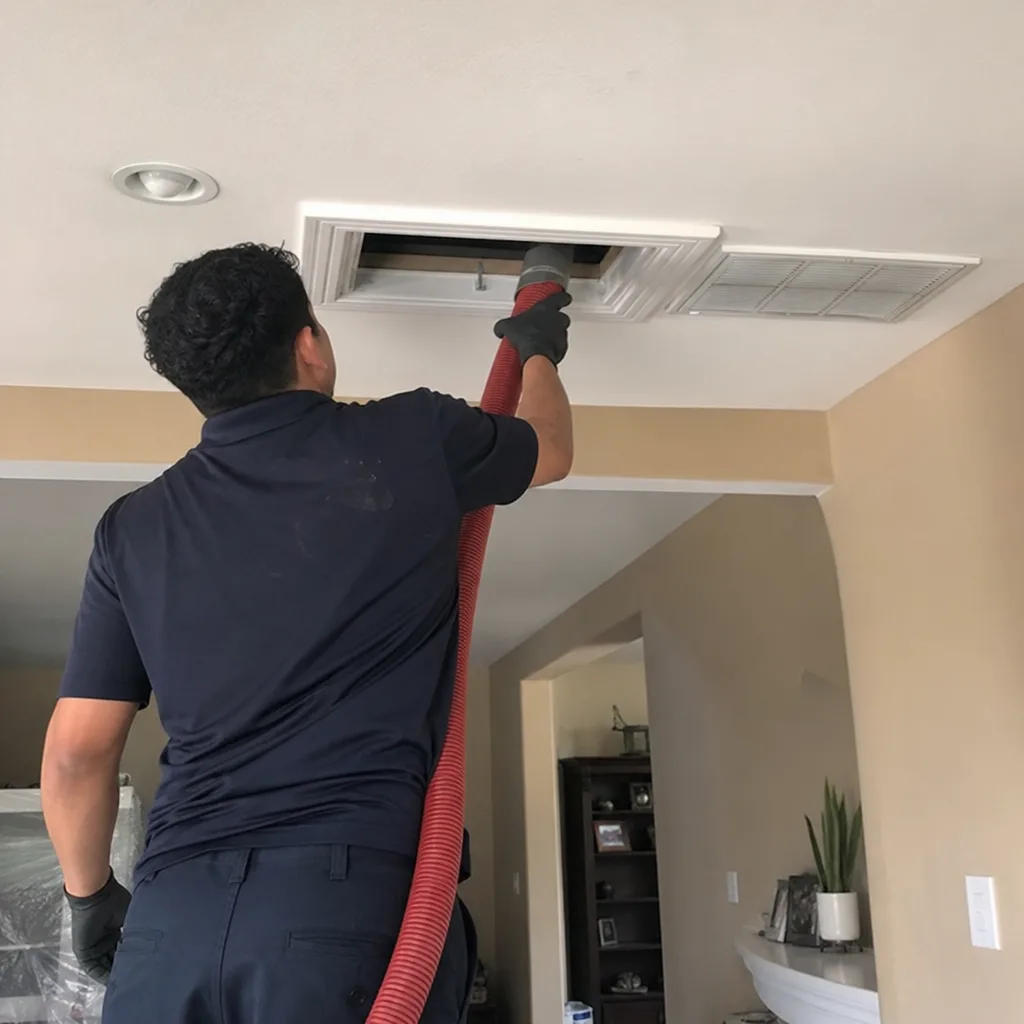
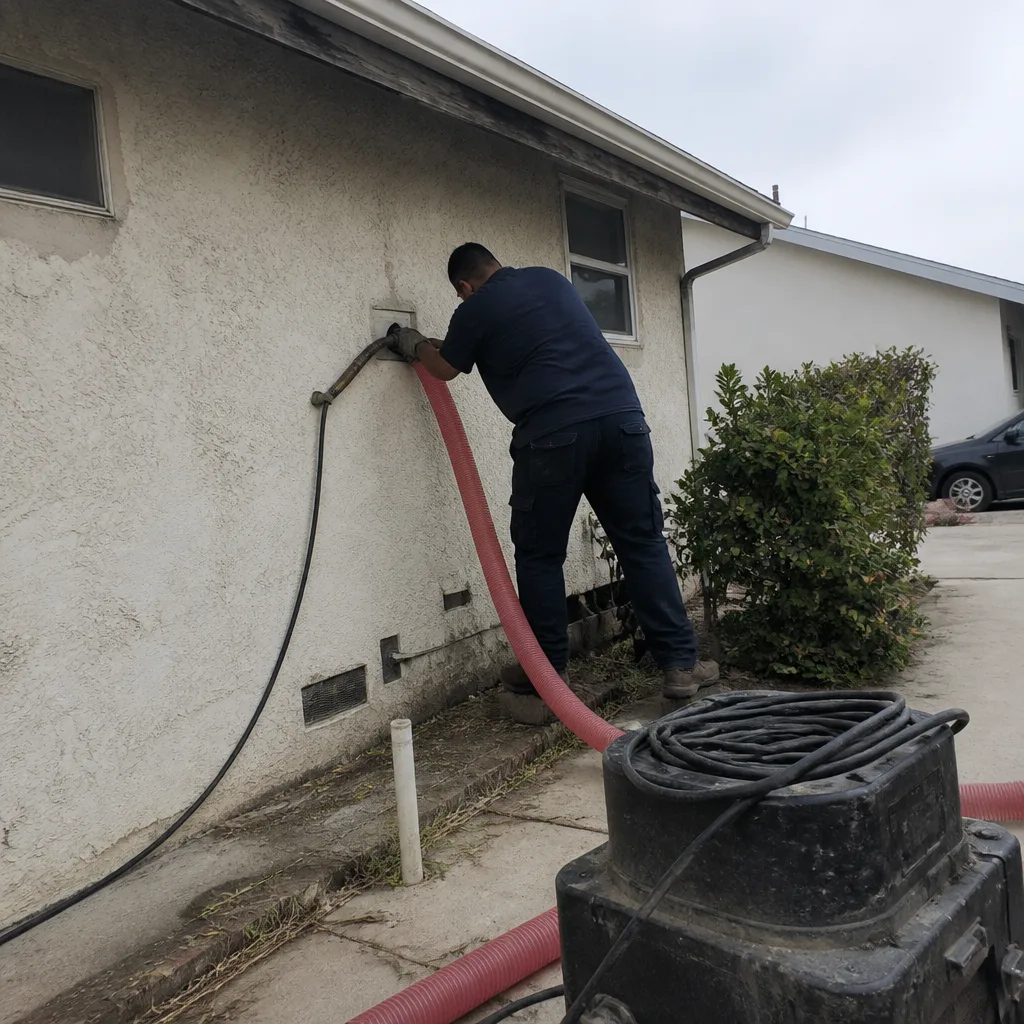
We operate contractor-grade cleaning systems, including Rotobrush and Abatement Technologies negative-air equipment, precisely because summer duct debris in Carson homes is not loose, easy dust. It’s often a compacted layer of fine particulate, heat-fused onto coil surfaces by continuous operation, and adhered duct-liner material. Standard consumer-grade approaches simply move that material around without extracting it. The equipment matters because the condition of the debris is worse than most homeowners realize until someone shows them what came out.
How to Build a Two-Service-Per-Year Schedule for Carson Homes
The convention of one duct cleaning every three to five years, or one annual cleaning, is a national average applied to a local condition that isn’t average. In Carson, the two highest-load transitions are the spring dry-out and the Santa Ana season. They occur roughly six months apart. That natural spacing is why a two-visit schedule works better than an arbitrary calendar rotation.
Visit One: Late Spring Cleaning (April through early June)
This is the comprehensive cleaning visit. Full-system negative-air cleaning, coil inspection, blower cleaning, and duct interior service. This visit clears the marine-layer accumulation and preps the system for peak cooling season. This is also the visit when we check for duct-wall separation and other physical defects that humidity and attic heat have revealed. If repairs are needed, the same visit can handle them.
Visit Two: Late Fall Inspection and Service (October through November)
This visit is targeted. It focuses on condition assessment after the first Santa Ana events and light particulate removal in the return-side ducting. It’s shorter than the spring visit and correspondingly lower in cost. It’s designed to catch whatever the Santa Ana winds pushed into the system before holiday-season indoor gatherings begin and while the system remains accessible.
The two-visit schedule also aligns with Carson’s annual weather pattern more closely than any quarterly or annual schedule. Here’s the logic in calendar form:
- December to February: Marine layer loads the system with moisture-affected debris. Watching, not cleaning.
- April to May: First cleaning. Debris is dry enough to remove completely. Cooling season starts clean.
- June to September: Peak runtime. System accumulates summer debris at an accelerated rate. Filter care matters most now.
- October to November: Santa Ana winds load the return side with fine particulate. Second service catches this before it bakes onto the coil during winter heat cycles.
Is a single annual visit acceptable if the system is relatively new, well-sealed, and the home is in a low-dust neighborhood? Yes, with a caveat. We’d still place that single cleaning in late spring, not in an arbitrary month. The spring cleaning captures the previous winter’s marine-layer accumulation before cooling season. A cleaning in, say, February would leave the system to accumulate additional load through spring and then run all summer on partially dirty ducts. Timing matters more than frequency.
A Seasonal Self-Inspection Checklist for Carson Homeowners
Between professional services, you can monitor your duct system’s condition with a short monthly check. This takes 10 minutes and requires no tools. What it gives you is the ability to spot changes before they become problems, and to talk to a technician with useful information rather than general concerns.
Monthly Self-Inspection Steps
- Remove one return-air filter and hold it to a light. You should be able to see light through it. If the filter blocks more than half the light or shows visible matting, replace it regardless of stated lifespan. This is a 30-second check.
- Check return grille louvers for dust accumulation lines. Run a finger along the grille edge. If you feel grit, the return duct behind it is accumulating debris. Vacuum the grille face and note whether accumulation returns within a week.
- Walk through each room and check register faces. Supplies should show clean, even airflow. If one room’s register shows dust streaks while others don’t, that branch line may have a separation or leak pulling attic air into the airstream.
- Listen for changes in system noise. If the blower sounds louder than it did three months ago, or if you hear a new whistling or rattle, it’s likely a pressure-side change. Sealed systems don’t whistle.
- Note any new drywall cracking near ceiling registers. This is a subtle signal. Supply registers that flex repeatedly due to pressure changes can loosen the surrounding drywall. It doesn’t mean the duct system is failing, but it’s a signal that pressure is shifting in unusual ways.
These checks take very little time, and they provide the baseline data that makes professional visits more productive. When a homeowner tells us “the hallway register started streaking dust in late September,” we know exactly which season to correlate and which part of the duct system to inspect first. That’s the difference between a diagnostic visit and a blind cleaning.
Common Mistakes to Avoid
- Using fiberglass filters in marine-layer season. They’re already the lowest-performing filter type, and moisture causes them to fail faster and shed fibers. A moist, loaded fiberglass filter contributes debris to your own system. Use pleated MERV 8 to 11 filters during winter months in Carson.
- Assuming a visible dust jacket on a coil means the duct cleaning failed. Coil loading is normal and ongoing. The right question is whether the coil was cleaned during your last service and whether the return side is properly sealed. We address coil cleaning as part of every comprehensive duct service.
- Running the system for days after a Santa Ana event without checking filters. That’s when the most damaging material enters the system. A $15 filter is cheaper to replace than a coil cleaning that becomes necessary because an overloaded filter blew out and sent debris downstream.
- Scheduling the annual cleaning at the wrong time. Cleaning in January or July puts the service after the marine-layer peak or in the middle of the highest-runtime season. Cleaning in April or May captures the maximum removable load before cooling season begins.
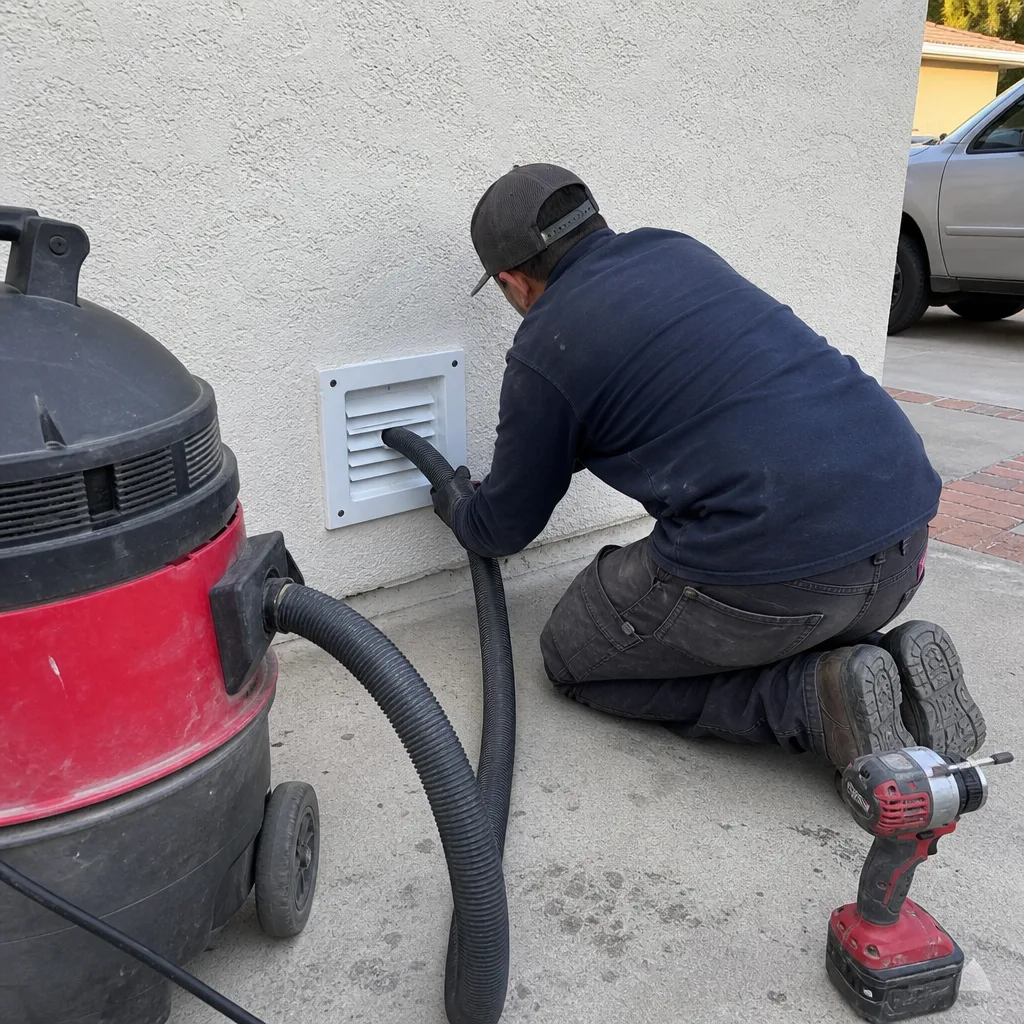
- Ignoring dryer vents while focusing on air ducts. Lint-blocked dryer exhaust is the leading cause of residential dryer fires, and the same homes with loaded return ducts typically have loaded dryer vents. It’s a separate system with the same accumulation physics. Our Dryer Vent Cleaning in Manhattan Beach service treats it as its own job, not an upsell.
- Assuming newer homes don’t have duct problems. Construction debris in ducts is common in Carson homes built during the 2010s development boom, when material costs and schedule pressures created incentives for sloppy duct installation. Newer doesn’t mean cleaner.
- Waiting until there’s a smell to call. By the time you detect a persistent musty or dusty smell from the vents, the condition causing it has usually been present for months. That’s a late-stage signal, not an early one.
When to Call a Professional
The self-checks above handle observation. What they don’t handle is extraction. If any of these conditions apply, a professional visit is appropriate: dust streaks appear on registers within a week of cleaning them; air volume from one room has noticeably dropped; a musty smell persists for more than 30 seconds after system startup; filters show heavy loading within 30 days during non-Santa-Ana periods; or a visual inspection of the coil through the filter slot shows gray matting. Any of these signals means debris is present and the system is under-performing. The fix is removal, not covering. Duct Cleaning Carson offers free estimates in Carson. Call (866) 569-6170 to schedule an inspection, and see Duct Cleaning Carson home for service details. If you’re looking at a specific problem, our Air Duct Repair in Manhattan Beach capability means issues found during inspection can often be resolved same-visit, without coordinating a second contractor. And if you’ve been told your ducts need attention and want a second opinion, we bring the same diagnostic approach to Manhattan Beach homes and throughout the South Bay.
Frequently Asked Questions
Most Carson homes benefit from a full cleaning every 1 to 2 years, with the ideal timing in late spring. Homes near the 710, the 405, or industrial zones, and homes with pets, smokers, or recent construction, may need annual cleaning. The older guideline of every 3 to 5 years was based on average national conditions that do not reflect Carson’s particulate load. If you’re noticing dust within days of cleaning surfaces, or if filter loading is rapid, it’s a sign the ducts are actively shedding debris into the living space. Call (866) 569-6170 for an assessment and a straight answer on whether cleaning is actually warranted in your system.
The price difference comes down to equipment and scope. A discount service using a portable shop-vac system attached to a single register can offer a headline price of $99 to $199, but realistically can only reach a fraction of the duct interior from one point. The actual service often expands once the technician begins work, which is the classic bait-and-switch you’ve probably heard about. Our pricing is quoted as one flat price per system before work starts, and the scope includes coil, blower, and full duct interior cleaning with negative-air extraction using contractor-grade equipment from Rotobrush and Abatement Technologies. The honest answer to the price discrepancy is that you’re comparing two different services that happen to share a name. Call (866) 569-6170 for a quote that won’t change after we arrive.
This is the right question to ask before hiring any duct cleaning service. The answer is photographic documentation. A proper service will provide before-and-after images of the coil, blower, and duct interior from inside the system, not just exterior shots of the technician holding a hose. We document the internal condition of the duct runs we access with video and still photography, and we review those images with you after the work. If a company won’t provide interior photos, they haven’t done interior work. That’s the verification standard, and it’s non-negotiable in our process.
It can, but the levels vary significantly by home. The marine layer in Carson raises attic relative humidity into the range where mold spores can germinate on organic material inside ducts. Whether that happens in your system depends on the amount of organic debris present, the duct lining material, and whether the system has air leakage pulling extra moisture in. What we know from equipment inspection is that homes in Carson’s coastal-influence zone show higher rates of surface adhesion and biological growth on flex duct liner than homes further inland. That’s why the late-winter and early-spring inspection window matters: conditions for growth are present even when visible growth is not.
You can clean what you can reach: registers, grilles, and the first few inches of duct. What you can’t reach without the right equipment is the interior surface of the full duct run, the coil, and the blower assembly. Consumer vacuums and brush kits can dislodge surface dust on reachable duct sections, but they don’t create the negative-air pressure needed to extract debris from remote parts of the system. In many cases, DIY attempts push debris further into the ducts or loosen it without capturing it, making the system dirtier than before. The task calls for professional negative-air equipment, and that’s not a consumer product.
A comprehensive single-system cleaning in a typical Carson home takes 3 to 5 hours on site. Smaller apartments and condos can be done faster; larger homes with multiple systems or long duct runs take longer. If someone quotes you 30 to 60 minutes for a whole-home duct cleaning, that’s not a duct cleaning. That’s a register vacuum. The difference matters because air moves through the entire volume of your duct system, not just the first few feet. A thorough job simply takes time, and time is part of what you’re paying for. Call (866) 569-6170 to discuss what your specific home’s system involves.
The Bottom Line
Carson’s climate creates a duct-loading pattern that most generic advice misses. The marine layer adds moisture-driven adhesion in winter. Spring dries the system out and mobilizes the accumulated debris, making April and May the highest-yield cleaning window. Santa Ana winds drive fine particulate through return leaks in fall. Summer’s high runtime accelerates debris accumulation at the exact time the system needs peak airflow. A two-visit schedule, one deep clean in late spring and one inspection-focused service in late fall, matches the actual stress cycle better than any calendar-based rotation. If your system hasn’t been serviced in over a year, start with spring timing. For more guides & resources on maintaining your system, visit our blog. If you’re unsure what condition your ducts are in, we’re glad to look.
Written by the team at Duct Cleaning Carson, serving Carson since 2011.
See the difference
 Before
 After
 Before
 After
 Before
 After