
Last updated November 2, 2026
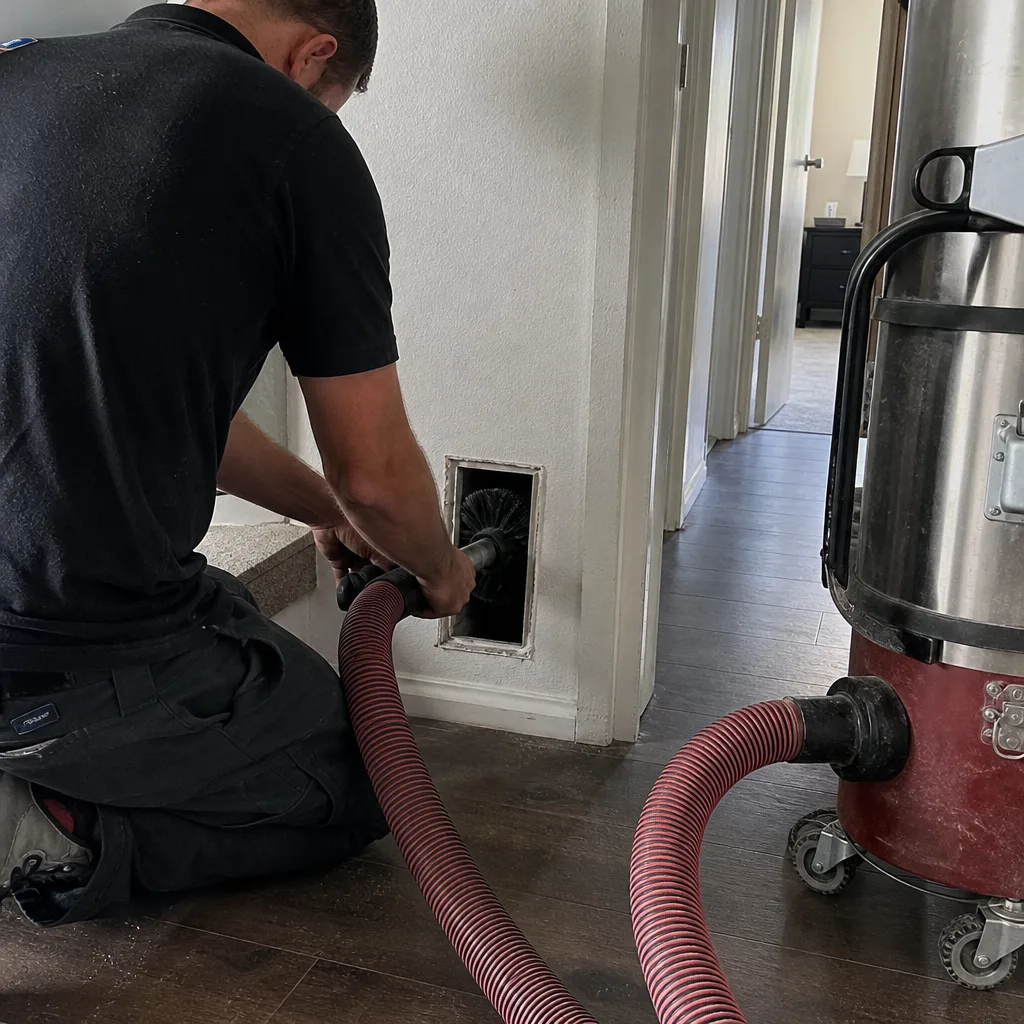
 Whole-home duct cleaning
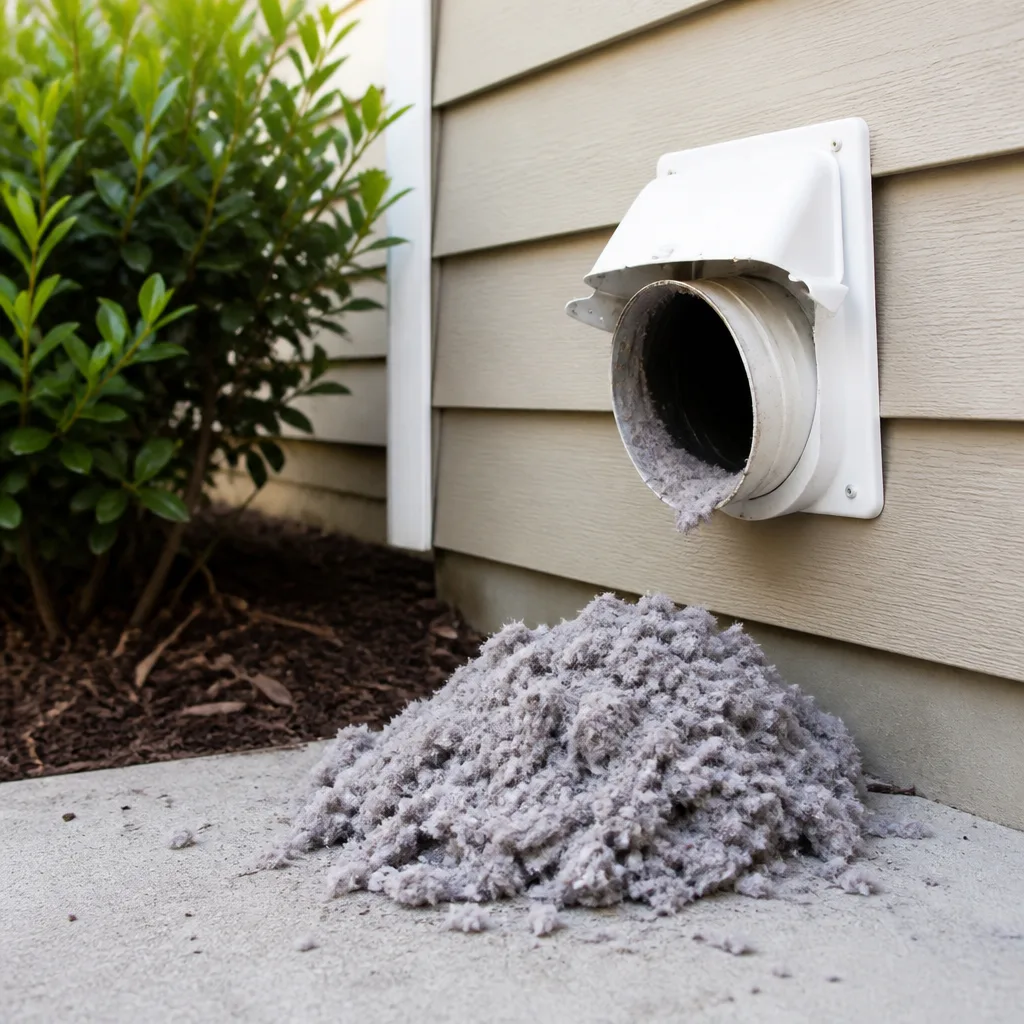 Dryer vent cleaning
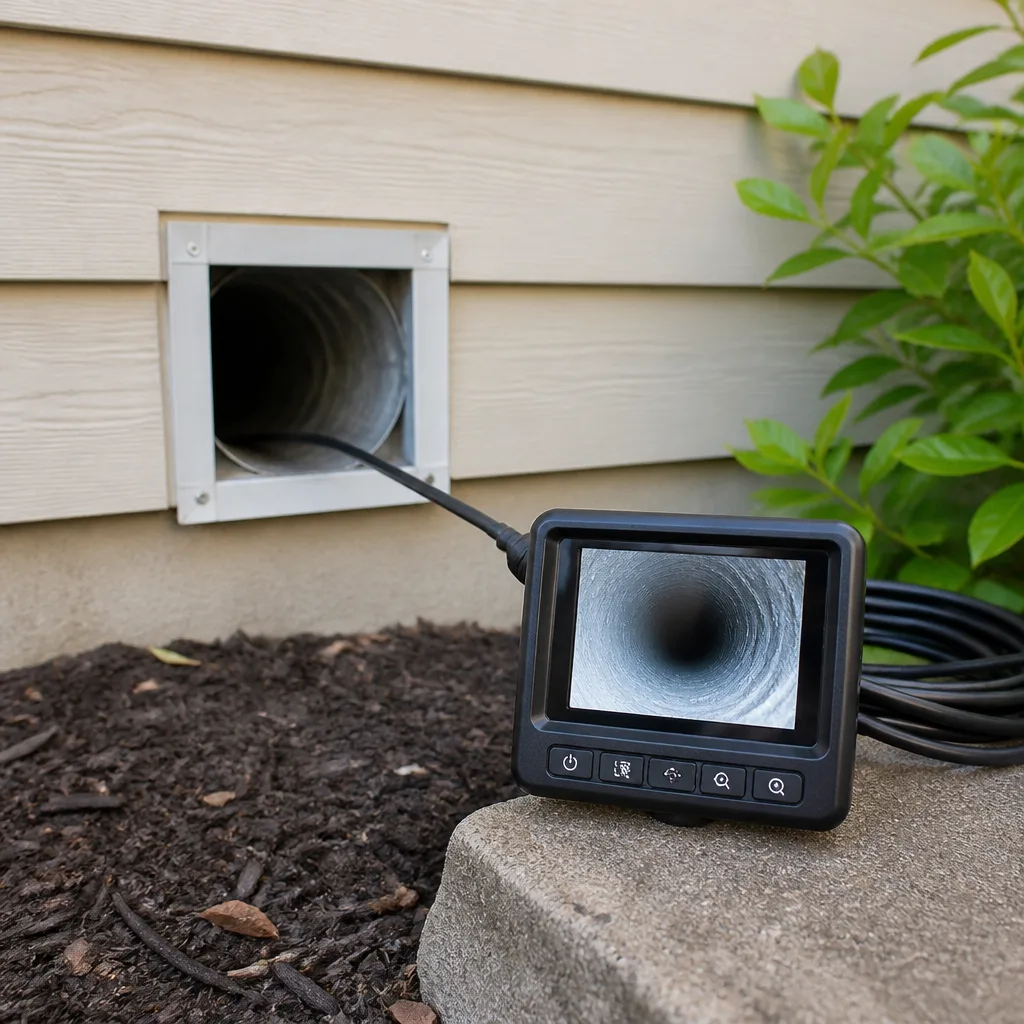 Camera inspection
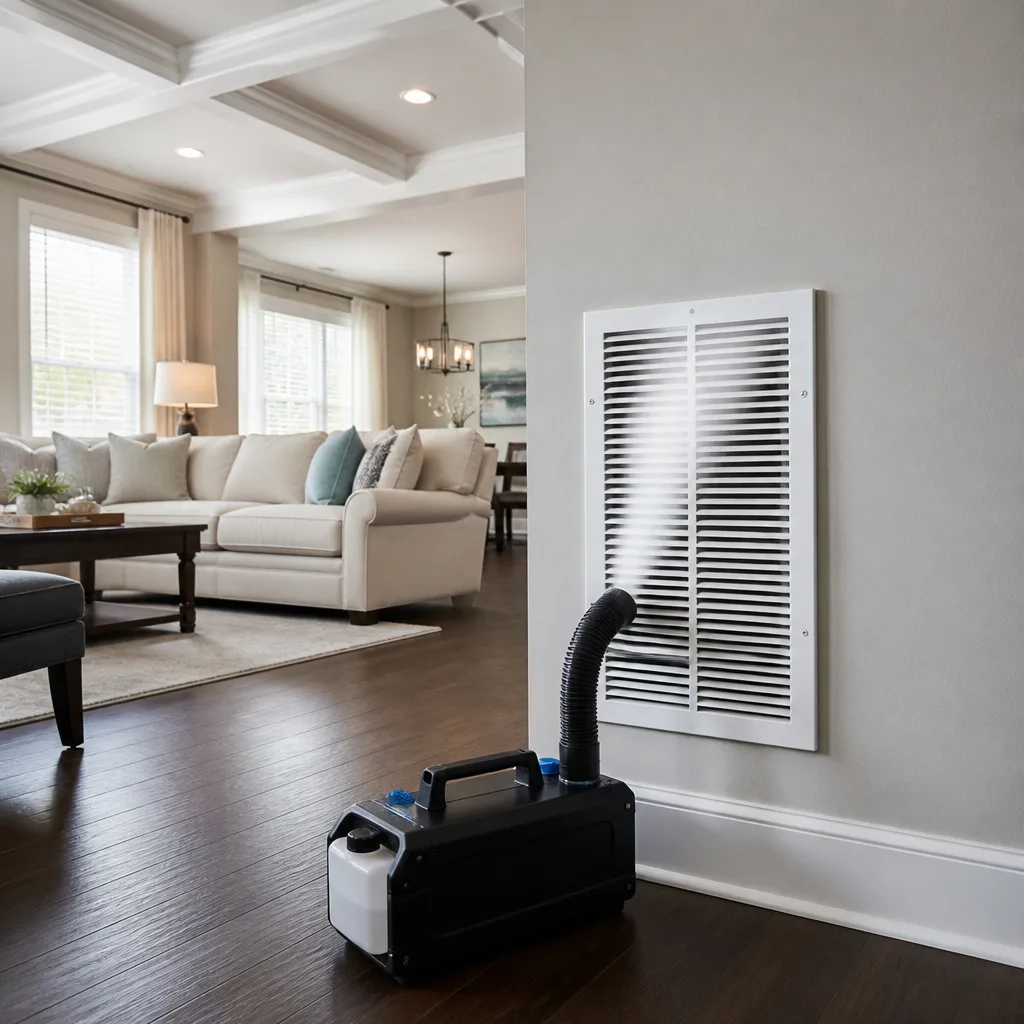 Sanitizing & deodorizing
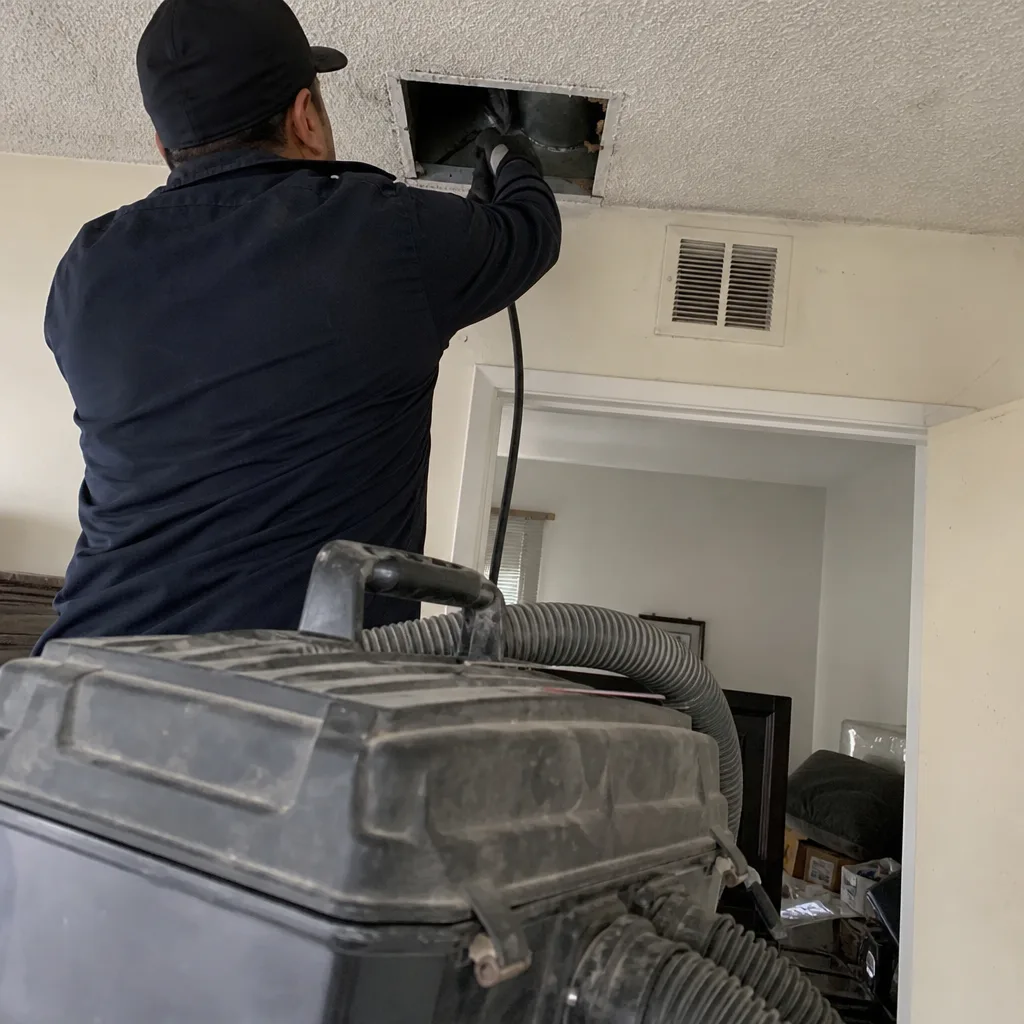
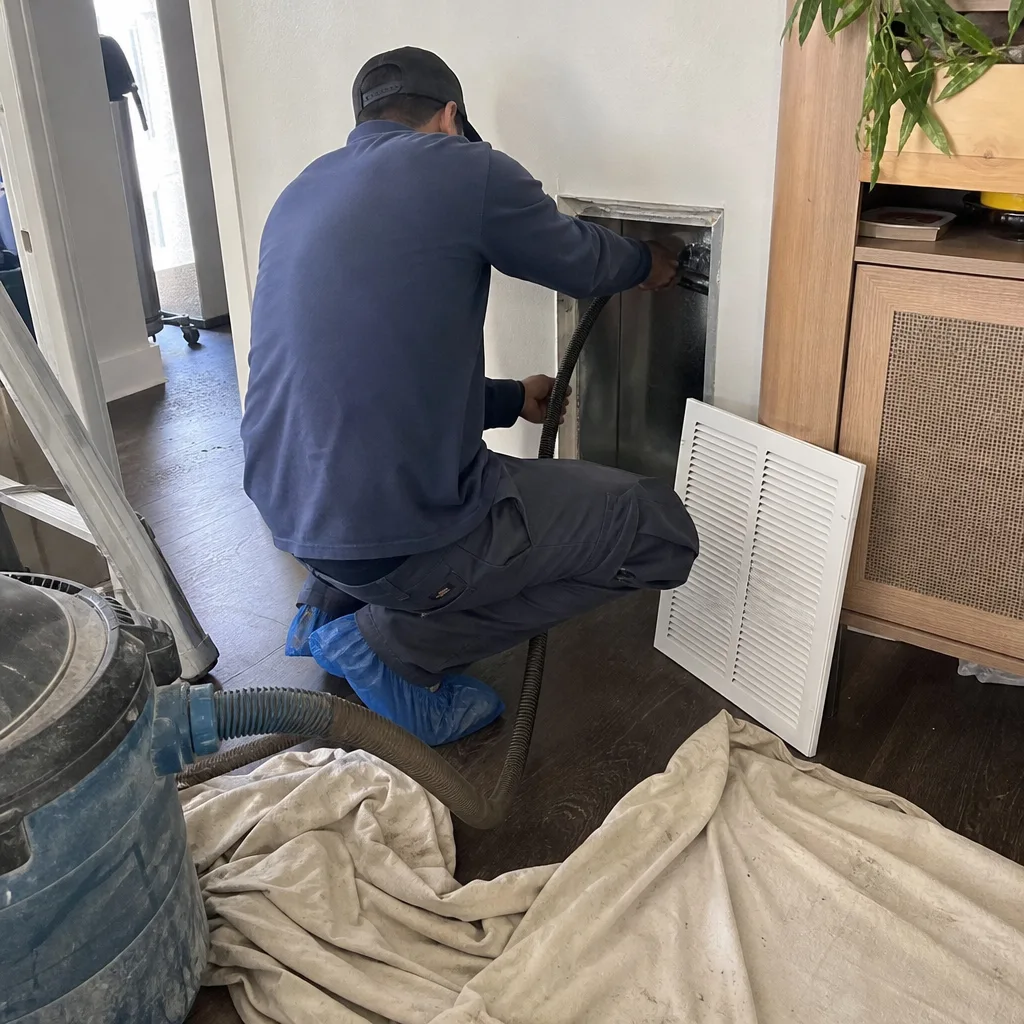
Whole-system duct and dryer vent check with before-and-after photos - you see exactly what came out of your vents
That "$99 whole-house special" is a bait ad - the real number appears once they are in your hallway, or the "clean" is a shop-vac at the register. We photograph the inside of your ducts before and after instead.
Air Duct Cleaning Cost Breakdown: The Carson Homeowner’s Reference for 2026
Here’s a number that surprises most Carson homeowners: the average residential duct system in this city contains between 5 and 12 pounds of accumulated debris after just five years without cleaning. That’s dust, lint, pet dander, construction remnants, and in many South Bay homes, a fine layer of sand that works its way in from dry landscaping and ocean-adjacent winds. The $89 coupon you saw in the mailer isn’t going to remove that. This guide explains exactly what duct cleaning costs in Carson in 2026, what you’re actually paying for at each price tier, and how to read a quote so you’re not comparing genuinely different our Air Duct Cleaning services as if they were the same thing.
Styles & brands we work with
- Whole-home duct cleaning
- Dryer vent cleaning
- Camera inspection
- Sanitizing & deodorizing
Quick Answer
Air duct cleaning in Carson, CA typically costs between $450 and $900 for a complete single-system residential job in 2026, with most homeowners paying around $600 for a 1,500 to 2,000 square foot home with one HVAC system. Whole-home jobs on larger two-story properties with multiple air handlers or flex-duct configurations run $900 to $1,400. Anything under $200 is almost certainly a “blow-and-go” service that cannot physically clean a full duct system, and anything over that range should include detailed scope-of-work documentation and contractor-grade negative-air equipment.
Table of Contents
- What You’re Actually Buying: The Real Cost Components
- The Three Price Tiers of Carson Duct Cleaning in 2026
- Carson Market Pricing Benchmarks by Home Type
- Why Per-Vent Pricing Hides What Matters
- Add-Ons That Are Legitimate and Add-Ons That Aren’t
- How to Read a Duct Cleaning Quote Line-by-Line
- Common Mistakes to Avoid
- When to Call a Professional
- Frequently Asked Questions
- The Bottom Line
What You’re Actually Buying: The Real Cost Components
When a legitimate duct cleaning company builds a quote, they’re not pulling a number from thin air. Residential duct cleaning involves five distinct cost inputs, and understanding each one helps you see why prices vary so dramatically across Carson and the South Bay.
First, there’s labor. A proper duct cleaning on a 1,500 square foot home takes two technicians between three and five hours when done correctly. That’s not one pass with a rotating brush on a drill. That’s systematic work: sealing off each register, creating negative pressure at the main trunk, agitating debris loose from every branch line, cleaning the return side separately, and restoring every access point. In Carson, labor rates for trained HVAC-adjacent technicians run $85 to $140 per hour per technician. The labor component alone typically accounts for $400 to $700 of your quote.
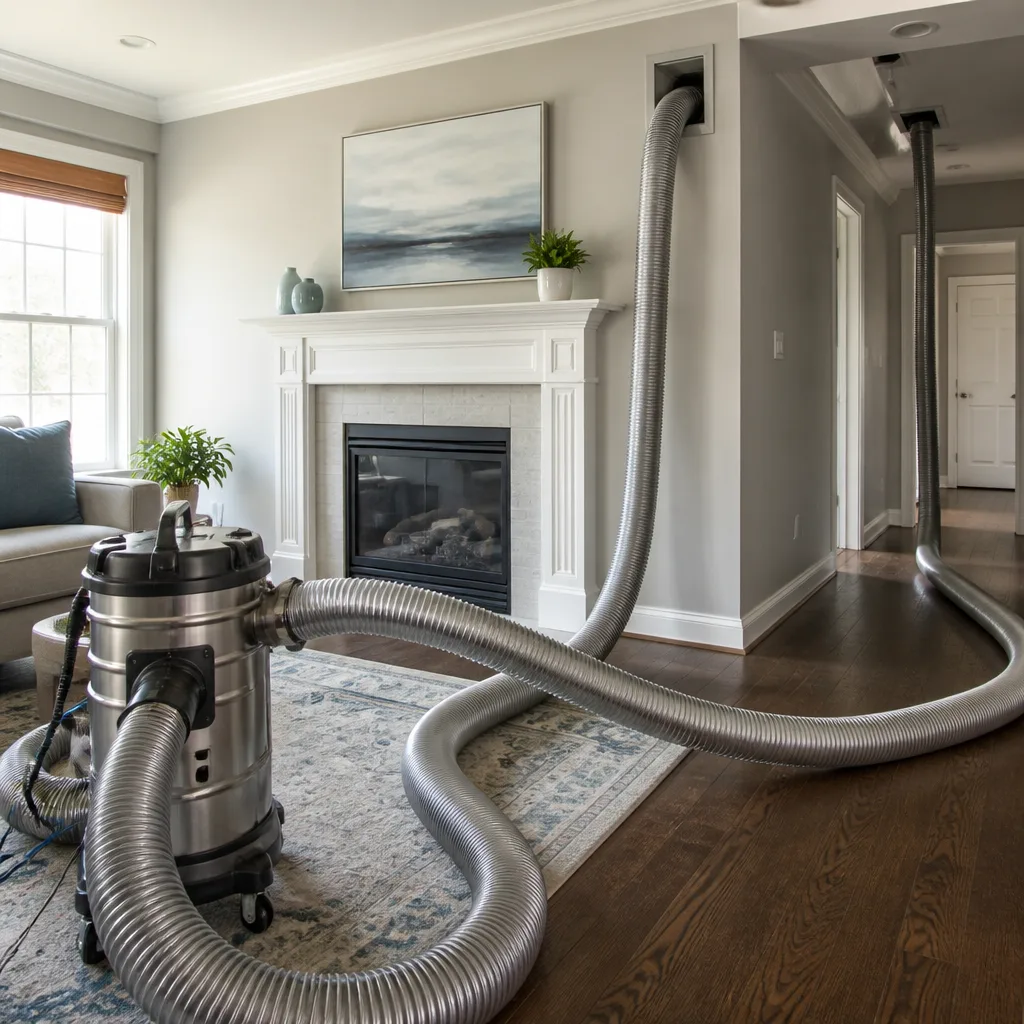
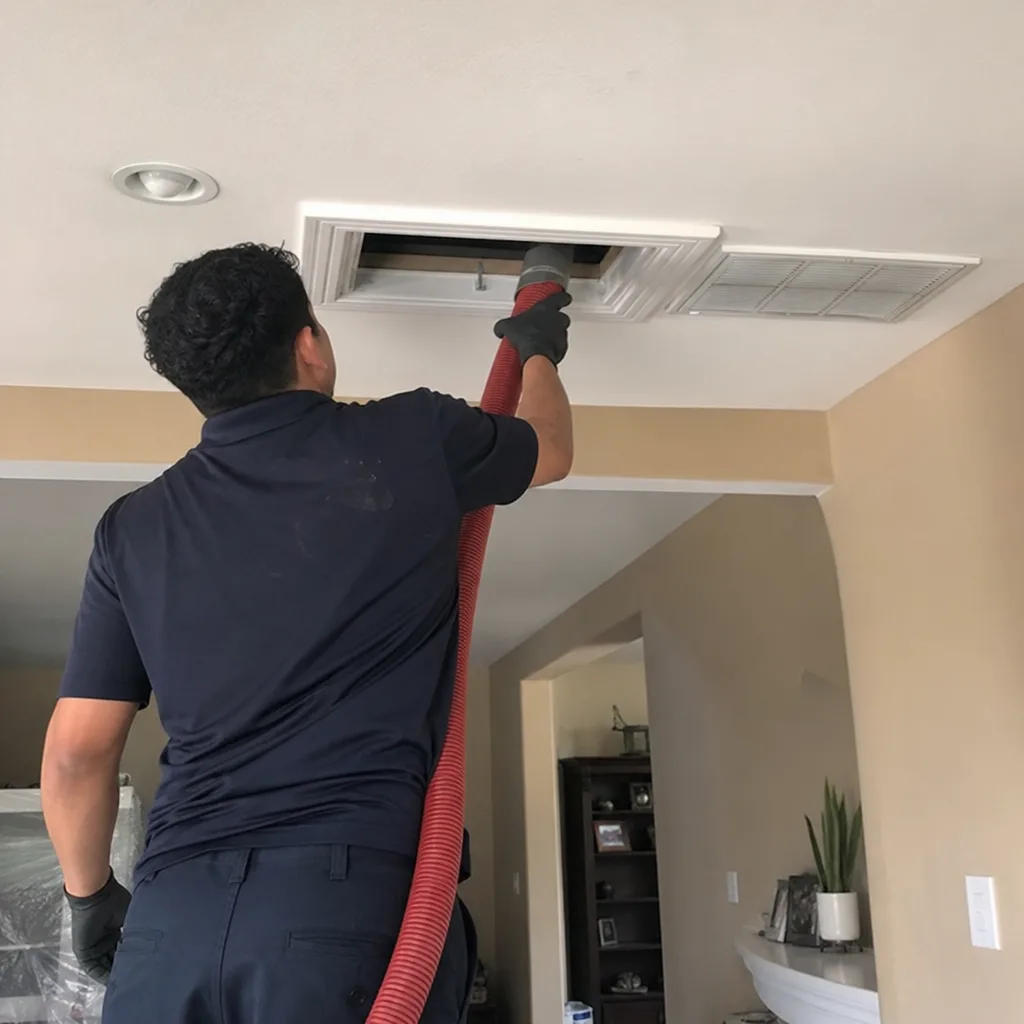
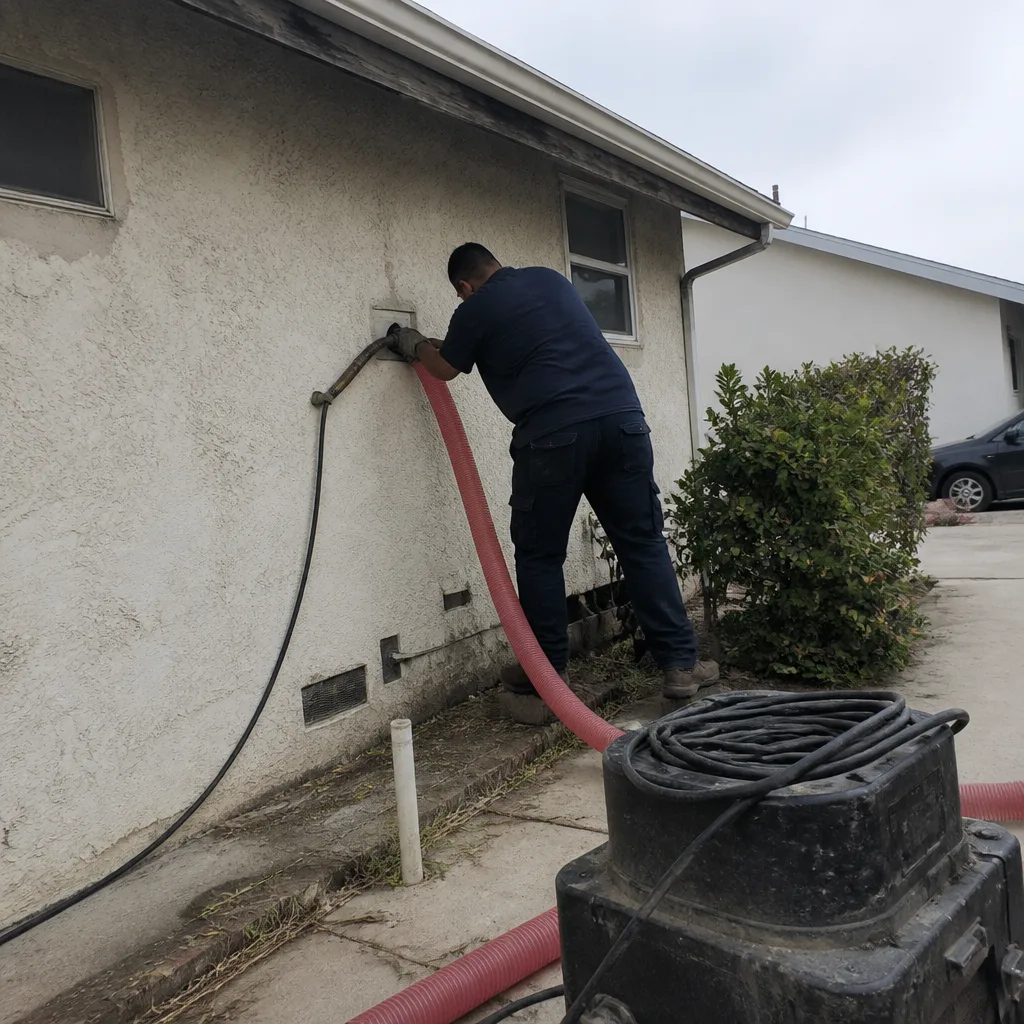
Second is equipment overhead. This is the single biggest differentiator in the Carson market, and it’s the reason we name our equipment: it genuinely matters which tools go into your home. Portable units that plug into a wall outlet generate roughly 2,000 to 3,500 CFM of negative airflow. Truck-mounted and trailer-mounted systems with contractor-grade machines from Rotobrush, Nikro, or equivalent generate 8,000 to 15,000 CFM. That’s the difference between loosening dust at the register opening and pulling debris from the far end of a 35-foot branch run. Equipment amortization, fuel, maintenance, and the trained operator required to run it add $150 to $300 to a legitimate job.
Third is HEPA filtration consumables. If a company isn’t using negative-air with HEPA filtration, they’re not containing what they dislodge. We run Abatement Technologies negative-air machines and HEPA filtered vacuums, the same category of machinery used in contaminant and mold remediation work. Filters on these units cost $80 to $200 per job depending on particulate load. A company running a shop vac with a foam filter spends about $6. You’ll see that difference reflected in pricing, and you’ll feel that difference in the air three days later when the dust settles back into your registers.
Fourth is access point restoration. A proper cleaning requires cutting access holes into the main trunk and branch lines in most homes, because sheet metal ducting wasn’t designed with cleaning ports in 1985. Cutting those ports, sealing them with patch panels, and taping and mastic-sealing every seam is skilled work. That’s typically $100 to $250 depending on how many access points are required. Companies that skip this step are either cleaning through the registers only (which gets less than 40% of the interior surface) or leaving open holes in your duct system, which causes conditioned air loss into your attic or crawlspace.
Fifth is scope verification. At minimum, a legitimate job includes a pre-clean inspection with a camera system to document condition, and a post-clean visual verification. We do both, because “trust me, we cleaned it” isn’t a deliverable. Inspection equipment, camera systems, and the time to document add another $50 to $100. All told, you can see why a legitimate Carson duct cleaning lands in the $450 to $900 range for a standard home. The discount alternative isn’t doing the same job for less; it’s doing a fraction of the job and calling it complete.
Why Equipment Determines Everything
Here’s the physics nobody tells you: a duct system is a sealed low-pressure vessel with a large interior surface area relative to its openings. To clean the full interior surface, you need enough negative pressure at the main trunk to overcome the friction loss along the longest branch run. For a 1,500 to 2,000 square foot home with 25 to 40 linear feet of branch ducting per line, that means you need 8,000+ CFM at the main trunk. Portable units simply cannot get there. What a portable unit does is agitate the first few feet of each branch line near the register boot, leaving the remaining 70% of the branch untouched while giving every surface inside the system a thin coating of dislodged particulate. Then the homeowner wonders why the air feels worse two weeks later. It’s not a mystery: the portable unit turned a settled film into airborne dust, and half of it stayed in the system.
The Three Price Tiers of Carson Duct Cleaning in 2026
Carson’s duct cleaning market breaks into three clear tiers in 2026, and each represents a fundamentally different service, not just a different price point.
- $89 to $249 – The Blow-and-Go Tier. This is the territory of coupon mailers and rotating seasonal promotions. At this price, you’re getting one technician for 45 to 90 minutes with a portable vacuum attached to a drill-driven brush. The technician works through each register, agitates what they can reach, and vacuums the return grille. Registers may or may not be removed. The blower motor, evaporator coil, and plenum are typically untouched. No access ports are cut, no camera inspection happens, and no HEPA filtration is in play. The cost math is simple: 1 hour of labor at $25-40, $25 in materials, $50-75 in customer acquisition cost, and a modest margin. It’s a business model built on volume and upsell pressure. If you’re paying under $250, you’re not paying for duct cleaning. You’re paying for a vent dusting and a sales visit.
- $250 to $425 – The Legitimate-Basics Tier. This is where you’ll find honest but equipment-limited operators. One technician, possibly two, with a mid-range portable or small negative-air machine. They’ll cut access ports, run a brush or whip system through the main trunk and as much of each branch as their equipment allows, and typically do some level of post-clean inspection. For a smaller single-story home with a simple trunk-and-branch sheet metal system, this can be adequate. HEPA filtration may or may not be part of the package; ask directly. The limitation here is consistency: if the system has long branch runs, multiple trunks, or flex ducting, this tier’s equipment often can’t maintain the pressure needed to clean the full interior. You’re paying for a good-faith effort with equipment that’s appropriate for some homes but not all.
- $450 to $900+ – The Contractor-Grade Tier. This is the range where truck-mounted negative-air machines, HEPA filtration, camera-scoped verification, and full access-point restoration live. Two technicians, three to five hours, full trunk-and-branch cleaning with agitation at every register, blower compartment and return-side cleaning, and photo documentation. This is what we do at Duct Cleaning Carson on every residential job: contractor-grade equipment, residential pricing. Rotobrush and Nikro systems are designed for exactly this work, and when paired with Abatement Technologies negative-air and HEPA filtration, the result is a system clean enough to document. Larger homes, multi-system properties, and flex-duct configurations push toward the top of this range or slightly beyond.
Carson Market Pricing Benchmarks by Home Type
Carson’s housing stock is more varied than most people expect. The city spans mid-century single-story tracts near the 405, newer two-story construction in the northwest, condominium and townhome clusters, and a substantial rental property inventory. Each housing type has a different duct configuration and a different realistic cleaning cost.
- Single-story tract home, 1,000 to 1,400 sq ft, sheet metal trunk-and-branch: $450 to $650. These are the classic South Bay systems: a single main trunk running through the attic with rigid branch lines to each room. Access is typically straightforward, runs are short (12 to 22 feet), and one access point per trunk segment is usually sufficient. This is the most common job in Carson, and most fall in the $485 to $575 range with a full-scope contractor-grade service.
- Single-story, 1,500 to 2,200 sq ft, sheet metal or flex hybrid: $550 to $850. Larger homes mean longer trunk runs, more branch lines, and often a mix of original sheet metal with flex-duct additions from past renovations. Flex duct requires different agitation techniques and more careful handling to avoid tearing the inner liner. The added linear footage is real, and the time to clean it properly is real.
- Two-story, 2,200 to 3,200 sq ft, multiple air handlers or zoned systems: $800 to $1,400. Two-story homes frequently have a dedicated attic system for the upper floor and a separate system for the ground floor, sometimes in a closet or crawlspace. You’re effectively paying for two duct systems. Zoned dampers add complexity. Long vertical runs between floors add friction that demands more negative pressure. At this price point, you’re in the range where the equipment genuinely determines the outcome: a contractor-grade truck-mounted system handles this comfortably; a portable unit is overwhelmed before it starts.
- Condominiums and townhomes: $350 to $550 for the interior ductwork. Condo systems tend to be compact, with short runs and a single air handler. The scope is interior-only in most HOA-governed buildings, which simplifies access. The caveat: shared-chase configurations can mean debris from neighboring units migrates through your system. It’s worth asking your HOA about building-wide duct maintenance, and if you’re in a Carson condo complex built before 1990, it’s worth having the return side inspected even if the supply side looks clean.
- Rental properties and multi-unit buildings: $350 to $650 per unit depending on configuration, with volume pricing common for building-wide schedules. Property managers in Carson are increasingly documenting duct cleaning as part of turn-over maintenance, and the same labor-efficiency logic that applies to single homes applies to buildings: scheduling multiple units consecutively reduces per-unit setup time and cost.
These are 2026 Carson market benchmarks for full-scope, contractor-grade service. A company quoting significantly below these ranges is either doing less work or planning to make up the difference on add-ons. A company quoting significantly above them should be able to explain precisely why, in writing, with scope-of-work specifics.
Why Per-Vent Pricing Hides What Matters
You’ve seen the ads: “$99 for up to 10 vents!” The structure sounds simple, but it’s deliberately misleading. Here’s what per-vent pricing obscures, using real Carson housing stock as the example.
Consider two homes, both advertised as “12 vents.” The first is a 1,400 square foot mid-century tract home off Avalon with a crawlspace-mounted single trunk. The trunk runs 28 feet. Branch lines run 8 to 14 feet each. Total linear feet of ducting: around 180. The second is a 2,800 square foot two-story in the Northwest Carson newer subdivisions, with flex ducting in the attic. The trunk runs 55 feet total across two segments. Branch lines run 18 to 32 feet each. Total linear feet: around 420.
Those are not the same job. Not remotely. The second home has more than double the duct surface area, longer pulls requiring more negative pressure, and flex duct that requires slower, more methodical agitation. Any company quoting “per vent” is either ignorant of the actual scope (and about to discover it mid-job, leaving half the cleaning undone) or knowingly using a pricing structure that lets them bill the same base price while doing dramatically less work on larger systems.
Reputable contractors structure quotes by system size and square footage. We quote by the system: one flat price per HVAC system, agreed before work starts. No per-vent pricing. No surprises when the technician counts actually how many branch lines are up there. Your ducts move air through every room; what’s in them matters, and so does the integrity of the company pricing the work to get them clean.
If you’re comparing quotes, ask the per-vent company one question: “How much total linear duct footage is included in your per-vent price?” If they can’t answer, they don’t know the scope of their own job. That’s your cue to keep looking.
Add-Ons That Are Legitimate and Add-Ons That Aren’t
Duct cleaning is a service with a documented upsell problem. Almost every Carson homeowner who’s had a bad duct cleaning experience can trace it to an add-on pitch. Here’s how to sort the legitimate from the opportunistic.
Dryer Vent Cleaning: Legitimate, and Important
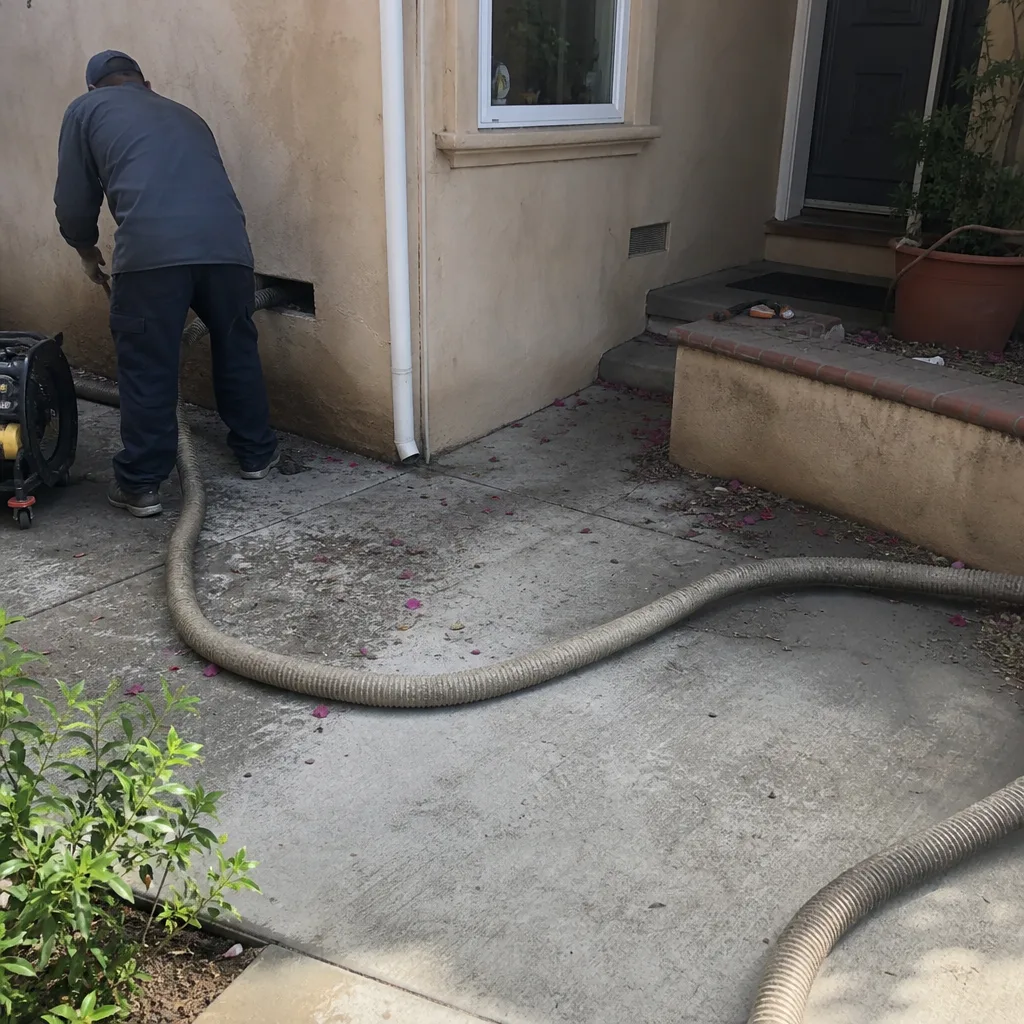
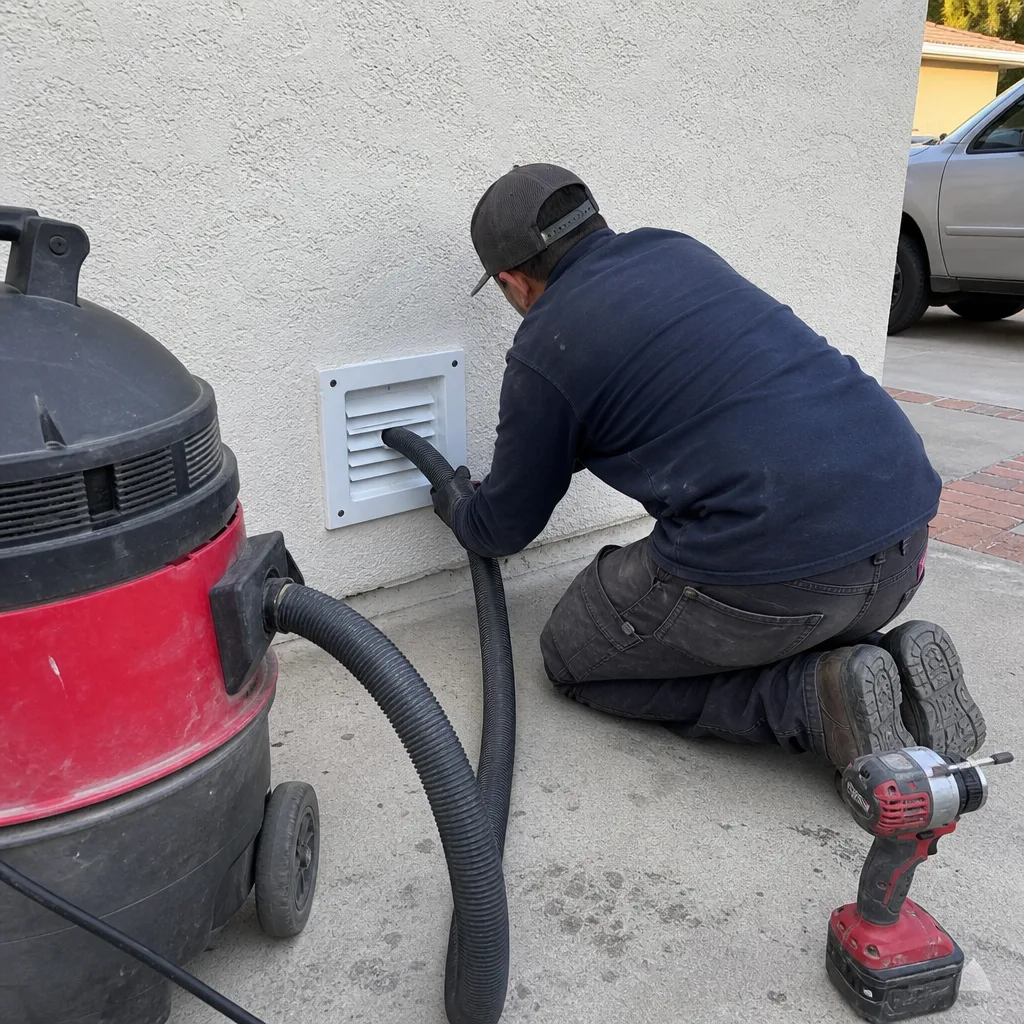
Dryer vent cleaning isn’t a bonus service; it’s a fire-prevention job. The leading cause of residential dryer fires is lint-blocked exhaust venting, and Carson’s hard water and high-lint wash loads don’t help. This service uses separate equipment from duct cleaning: dedicated vent brushes, a high-CFM vacuum designed for the narrow duct profile, and typically a snake or rod system for longer vent runs. Expect to pay $125 to $225 for a standard dryer vent clean as a standalone service, or $100 to $150 as an add-on during a duct cleaning visit. It’s a legitimate add-on because it’s genuinely different work with different tools and a different failure mode. At Dryer Vent Cleaning in Manhattan Beach, our sister service area, we treat it as the standalone discipline it is. Every dryer vent connected to a duct system in Carson should be cleaned annually regardless of duct cleaning schedule.
Sanitizer Fogging: Conditional
Fogging a duct system with an antimicrobial or deodorizing agent can be legitimate when there’s an actual microbia problem: documented mold growth, persistent musty odors from a past water event, or post-remediation treatment. It’s not legitimate as a routine upsell on a clean system. A reputable contractor will recommend fogging only when inspection shows a reason for it, and will tell you what product they’re applying and why. If the pitch is “we recommend sanitizing as a standard precaution” and your system was just clean, decline. In Carson’s relatively dry climate, routine microbial issues are less common than in humid coastal markets, but return-side humidity from ocean-adjacent air can create localized problems. Ask for photo or video documentation of the condition they’re proposing to treat.
UV Light Installation: Not Duct Cleaning
UV germicidal lights installed at the evaporator coil are an HVAC modification, not a duct cleaning service. Whether UV technology has value for you depends on your specific system design, runtime patterns, and indoor air quality priorities. The key distinction: a duct cleaning company offering UV installation is either expanding into HVAC modification (fine, if they hold the appropriate licenses) or using UV as a high-margin bolt-on to a low-margin cleaning. At Duct Cleaning Carson, our scope is specific: air duct cleaning, dryer vent cleaning, and Air Duct Repair in Manhattan Beach and Carson. If we find a problem during cleaning that a UV system would address, we’ll tell you it’s an HVAC modification to discuss with a qualified HVAC contractor, not something we’re going to sell you as a duct cleaning add-on.
Coil Cleaning: Legitimate With Scope Clarity
The evaporator coil in your air handler collects condensation, and with it, particulate, and over time it becomes a dust sponge. Cleaning the coil isn’t duct cleaning, but it’s adjacent work that affects system efficiency and airflow. If your duct cleaning includes blower compartment access (and it should), the coil is right there, and a legitimate contractor will clean it as part of a complete job, not as a premium add-on. Ask whether coil cleaning and blower fan cleaning are included in the quoted price. If they’re listed as separate line items at $150 to $300 each, the company is unbundling what should be core scope.
How to Read a Duct Cleaning Quote Line-by-Line
Most Carson homeowners have never read a duct cleaning quote critically. Most quotes are a single line: “Duct cleaning – $X.” That’s not a quote; that’s a price with no scope. A legitimate quote from a contractor-grade company will break down like this, and you should expect to see each of these elements addressed.
- Pre-clean inspection and documentation. Camera inspection of the main trunk, representative branch lines, return side, and blower compartment. Photos or video provided. If the quote doesn’t include pre-inspection, the company can’t document what needed cleaning in the first place, which means they can’t document that they did it.
- Supply-side cleaning – all branch lines and register boots. This means every register removed, every branch line agitated and extracted, every boot cleaned. “Accessible” branch lines is a red flag phrase; it means they’ll skip the hard-to-reach ones and not tell you.
- Return-side cleaning. The return ducting is often dirtier than the supply side because it’s on the suction side of the system and collects everything the house throws at it. A quote that prices “supply only” is offering half a cleaning.
- Main trunk cleaning via access ports. Access ports cut, cleaned through, and then sealed, patched, taped, and mastic-sealed. The quote should state that access point restoration includes patching and sealing to the original integrity or better.
- Blower compartment and fan cleaning. The air handler blower wheel collects a layer of compressed dust and lint that reduces airflow and throws the wheel off-balance. This is in scope on any complete cleaning.
- HEPA negative-air containment during the job. If the quote doesn’t mention HEPA filtration or negative-air, ask. The difference between “we vacuum as we go” and “we maintain negative pressure at the trunk with HEPA-filtered extraction” is the difference between a system that’s clean in three months and one that’s clean in three years.
- Post-clean scope inspection. Camera verification after cleaning, photos of the finished interior surfaces, and a documented before/after comparison. If it’s not on the quote, it’s not happening, and you should assume there’s a reason.
One more line-item note: if the quote includes “sanitizer fog” or “deodorizer” without any inspection-based justification, flag it. A company building a quote with a bundled sanitizer is often padding margin with a product you don’t need. Ask what condition they observed that warrants it, and ask to see the camera footage.
Common Mistakes to Avoid
- Selecting by price alone. The $149 special and the $650 contractor-grade job are not the same service. Price-only selection in duct cleaning almost guarantees you’re paying for a partial result. In Carson’s market, the spread between the discount tier and the contractor tier reflects real differences in equipment, time, and scope. If the price is under $250, ask what’s being excluded, because something is.
- Paying for duct cleaning when the problem is elsewhere. Ducts collect what the house produces. If you have a return air leak pulling attic insulation into the system, or a filter bypass letting unfiltered air through, cleaning addresses the symptom but not the cause. That’s why we offer Air Duct Repair in Manhattan Beach and throughout the South Bay as a standalone service: found during cleaning, fixed the same visit. Leaks, separations, and unsealed return plenums need repair, not just cleaning.
- Trusting the mailer coupon. That $89 offer requires a technician to show up at your house with equipment that cannot do the job, and then find a reason to escalate the invoice. It’s a lead-generation funnel disguised as a service offer. The real price is whatever the visit converts to, and the real product is pressure.
- Skipping the dryer vent because “they cleaned the ducts.” Different system, different failure mode. Your dryer vent accumulates lint at a rate that has nothing to do with your HVAC ducts. In Carson’s rental-heavy neighborhoods, dryer vents in older units often haven’t been cleaned in a decade. Lint-blocked venting is the leading cause of residential dryer fires; treat it as its own maintenance item.
- Assuming “air duct cleaning” always includes the return side. It doesn’t unless the quote says it does. The return side is where the dirt concentrates because it’s the suction path for the whole house. If your quote doesn’t specify return-side cleaning, assume it’s not included and ask why.
- Not documenting condition before the crew arrives. Take your own photos of what your registers and visible ducts look like before the job. A legitimate contractor will have camera documentation, but your own record gives you a baseline. After the job, look at the after-photos. If the company won’t provide post-clean imagery, that’s not a documentation preference; that’s a red flag.
When to Call a Professional
Duct cleaning isn’t a rush decision, but there are conditions where it moves from maintenance to priority, as covered in our Air Duct Cleaning Emergency Preparedness Guide for Carson Homes. Visible mold growth on registers or the interior surfaces of ducts, rodent or pest activity in the system, a return air leak pulling attic or crawlspace debris into the airstream, renovations that produced drywall dust or demolition debris throughout the home, or a previous duct cleaning you weren’t confident about: all of these warrant professional inspection and cleaning with equipment that can document the before and after. If airflow is noticeably weak in specific rooms, or your return grille is visibly coated with matted lint, the system needs attention beyond a filter change.
If you’re in Carson and ready for an honest assessment of your duct system, Duct Cleaning Carson home offers free estimates. Call (866) 569-6170 and we’ll inspect your system, show you what we find, and build a fixed-scope quote before any work begins.
Frequently Asked Questions
For a standard single-system residential home in Carson, expect $450 to $900 for a full-scope contractor-grade cleaning. Smaller tract homes and condos run on the lower end; larger two-story homes with multiple air handlers or flex-duct systems run $800 to $1,400. Anything under $250 is a partial service in disguise. Call (866) 569-6170 for a fixed-scope quote on your specific system.
Because they’re selling a different product. The $89 to $249 tier uses portable equipment that cannot generate the negative pressure required to clean a full residential duct system. The work is limited to what the technician can reach through the register openings, leaving most of the duct interior untouched. The pricing difference reflects real differences in equipment, labor hours, HEPA filtration, and access-point restoration. A cheap quote isn’t a deal; it’s a scope reduction.
Request before-and-after camera documentation. A legitimate contractor will provide pre-clean inspection footage showing the condition of the trunk, branches, return side, and blower compartment, then post-clean footage of the same locations. If a company can’t document the condition before and after, there’s no evidence the work happened. At Duct Cleaning Carson, post-clean scope inspection is standard on every job.
Every 4 to 6 years for most Carson homes under normal conditions. Homes with shedding pets, recent renovations, high-static landscaping dust, or occupants with respiratory sensitivities may benefit from every 2 to 3 years. Dryer vents should be cleaned annually regardless of HVAC duct schedule. If a company is telling you to clean your ducts every year without a specific condition justifying it, they’re selling appointments, not resolving conditions.
No. Sanitizer fogging is appropriate when inspection documents an actual microbial condition: mold growth, persistent odor from a water event, or post-remediation verification. It is not a standard or necessary part of routine duct cleaning. If a company bundles sanitizer into their base price or pitches it as routine precaution without documentation of the justifying condition, decline it or ask for the camera evidence.
It can, indirectly. A clean blower wheel and evaporator coil move air more efficiently, reducing runtime for the same comfort output. Clean branch lines and registers reduce static pressure, which matters on Carson’s flat-roof and attic-installed systems that already fight long, hot runs. The efficiency benefit is real but modest; the bigger wins are air quality, system longevity, and the opportunity to find and fix leaks, separations, and damage during the same visit. Call (866) 569-6170 and we’ll assess whether your system would benefit.
The Bottom Line
Air duct cleaning in Carson in 2026 costs what it costs because the equipment matters, the time matters, and the scope matters. The spread between $149 and $749 isn’t markup; it’s the difference between agitating dust at the register and extracting accumulated debris from the full interior of a sealed system while documenting every step. At Duct Cleaning Carson, we operate contractor-grade equipment from Rotobrush, Nikro, and Abatement Technologies, we provide one flat price per system agreed before work starts, and we handle dryer vent cleaning and duct repair as the distinct services they are. For more guides & resources, or if you want to know what’s actually in your ducts and what it costs to change that, call us.
Written by the team at Duct Cleaning Carson, serving Carson since 2011.
See the difference
 Before
 After
 Before
 After
 Before
 After