
Last updated November 2, 2026
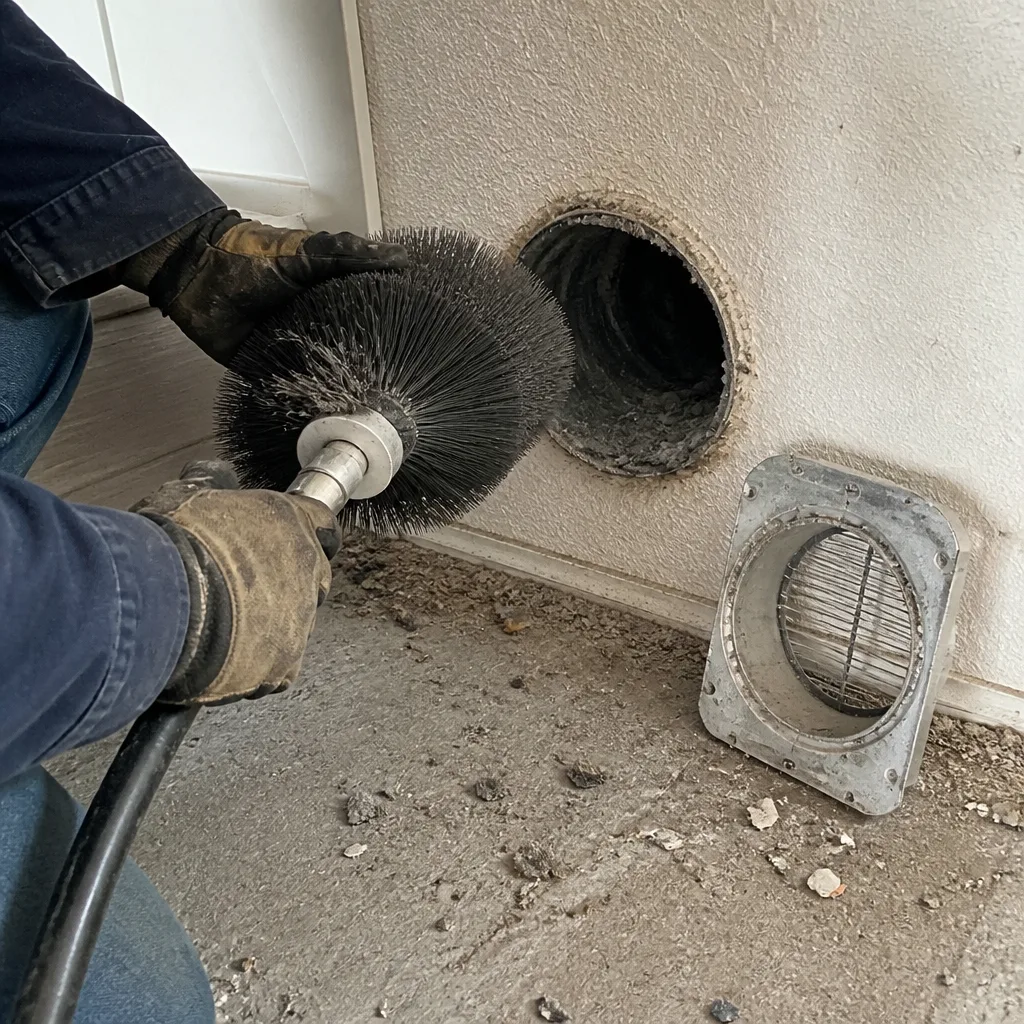
 Whole-home duct cleaning
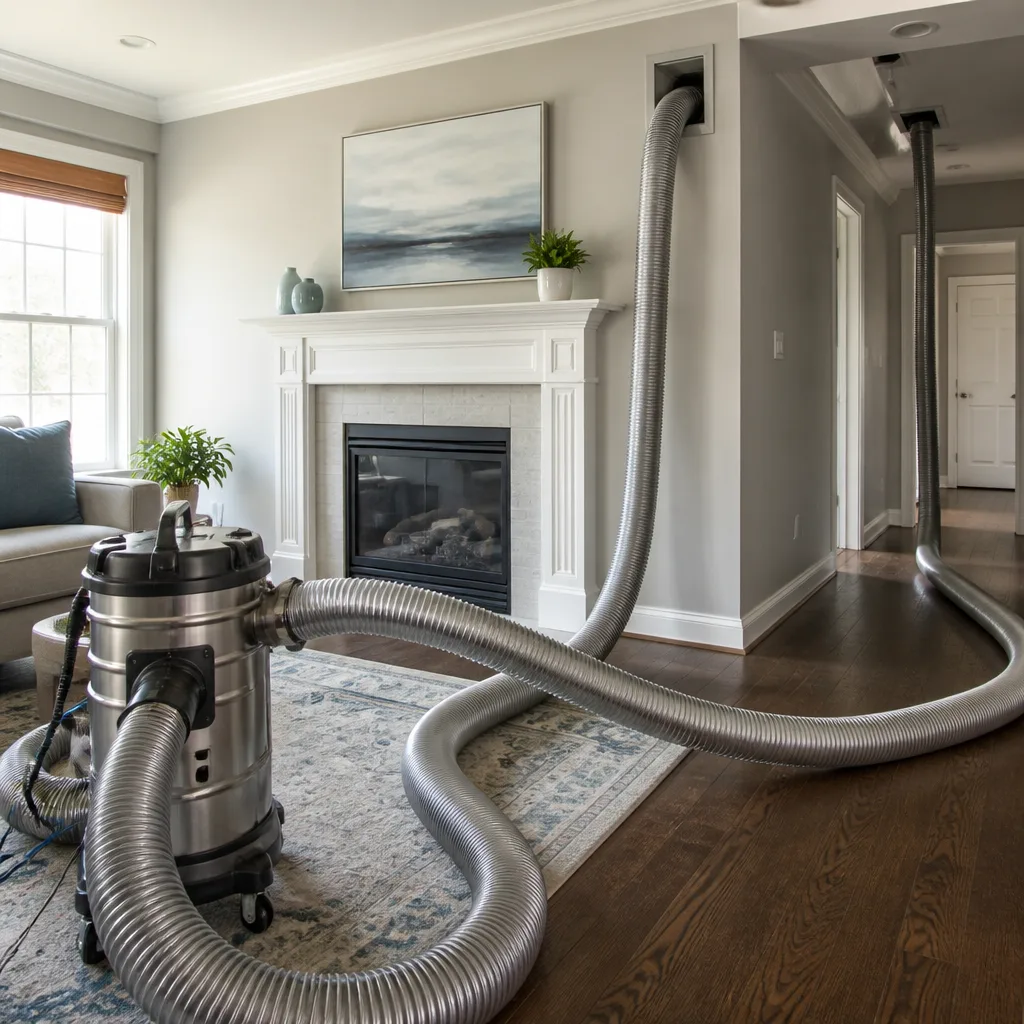
 Dryer vent cleaning
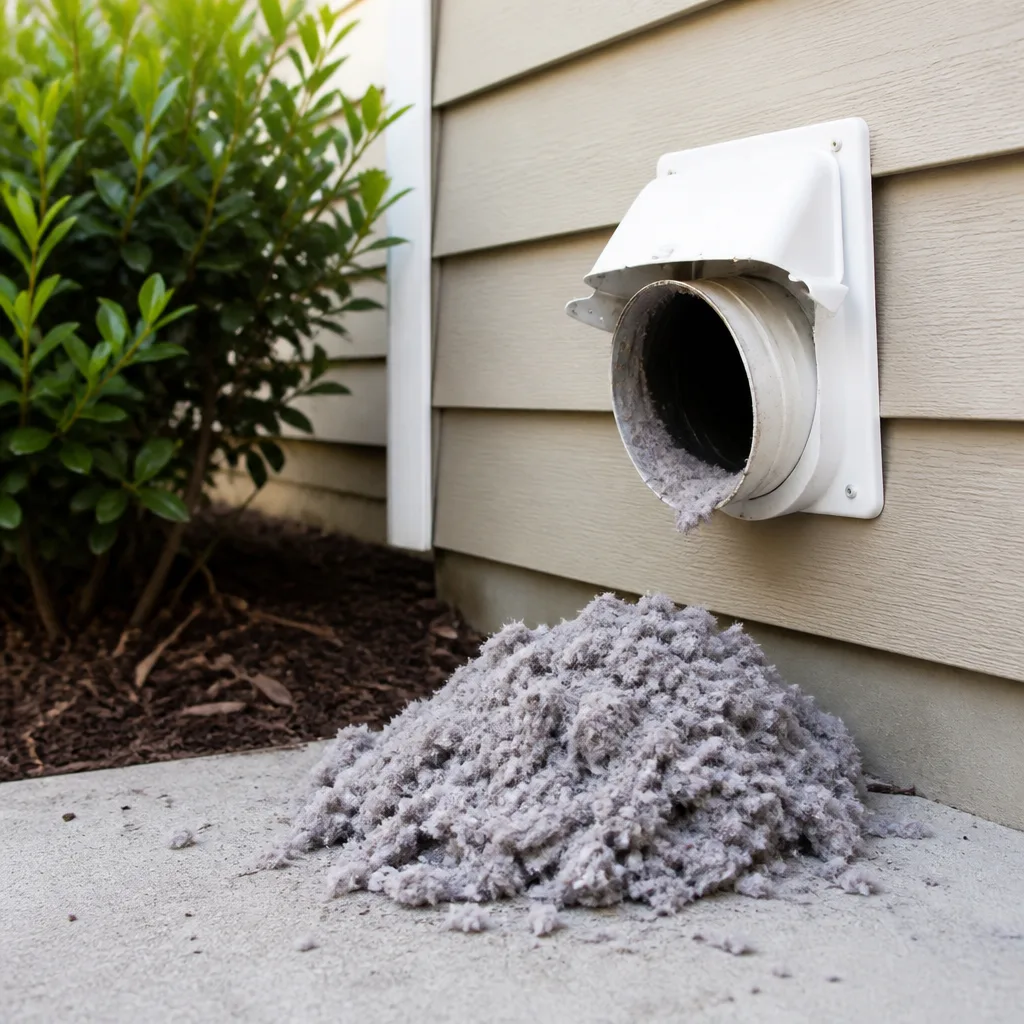
 Camera inspection
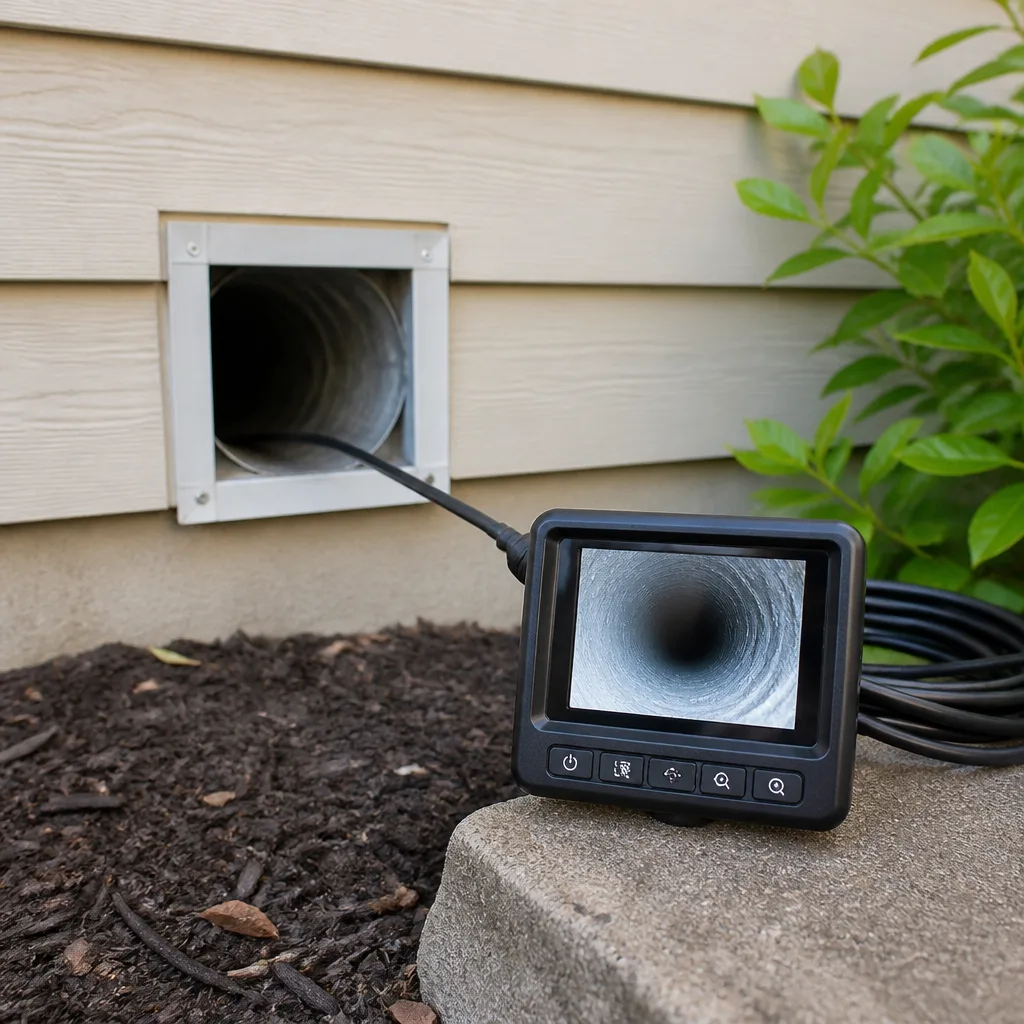
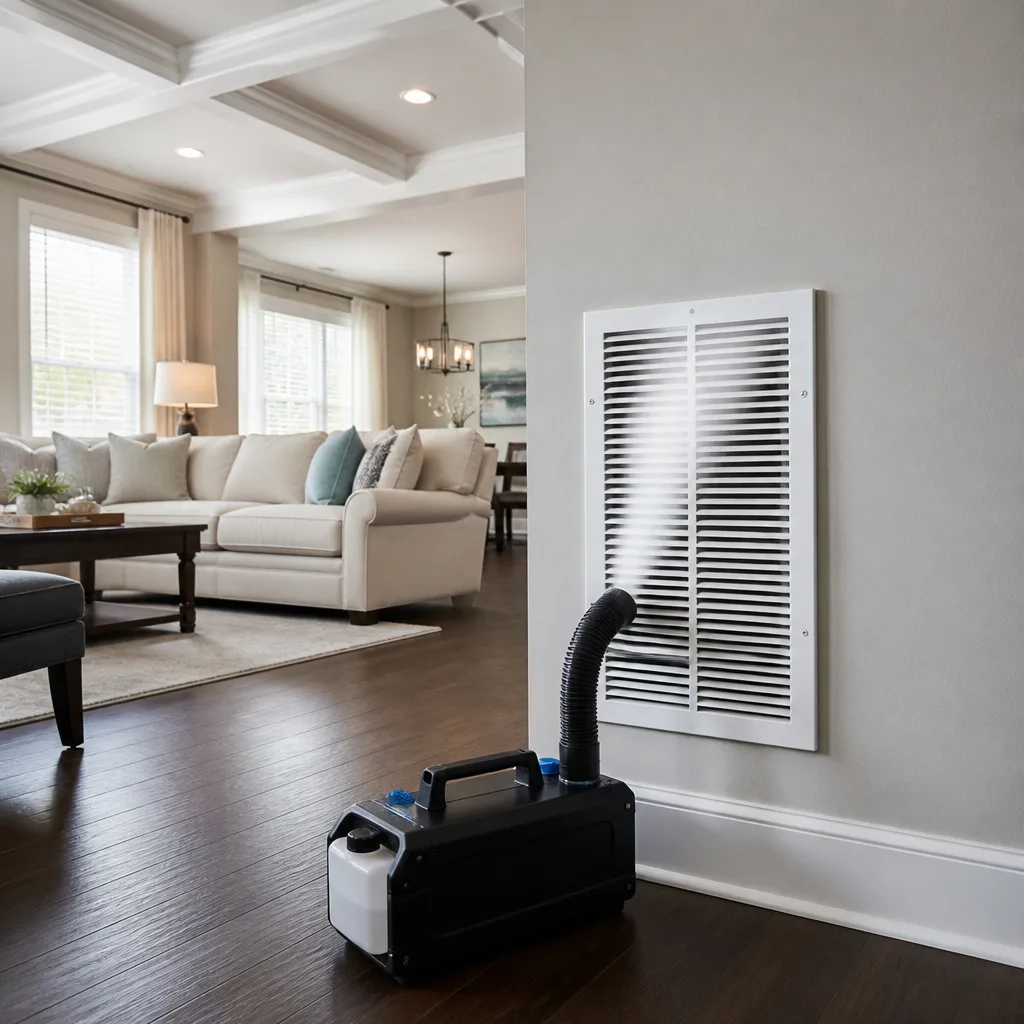 Sanitizing & deodorizing
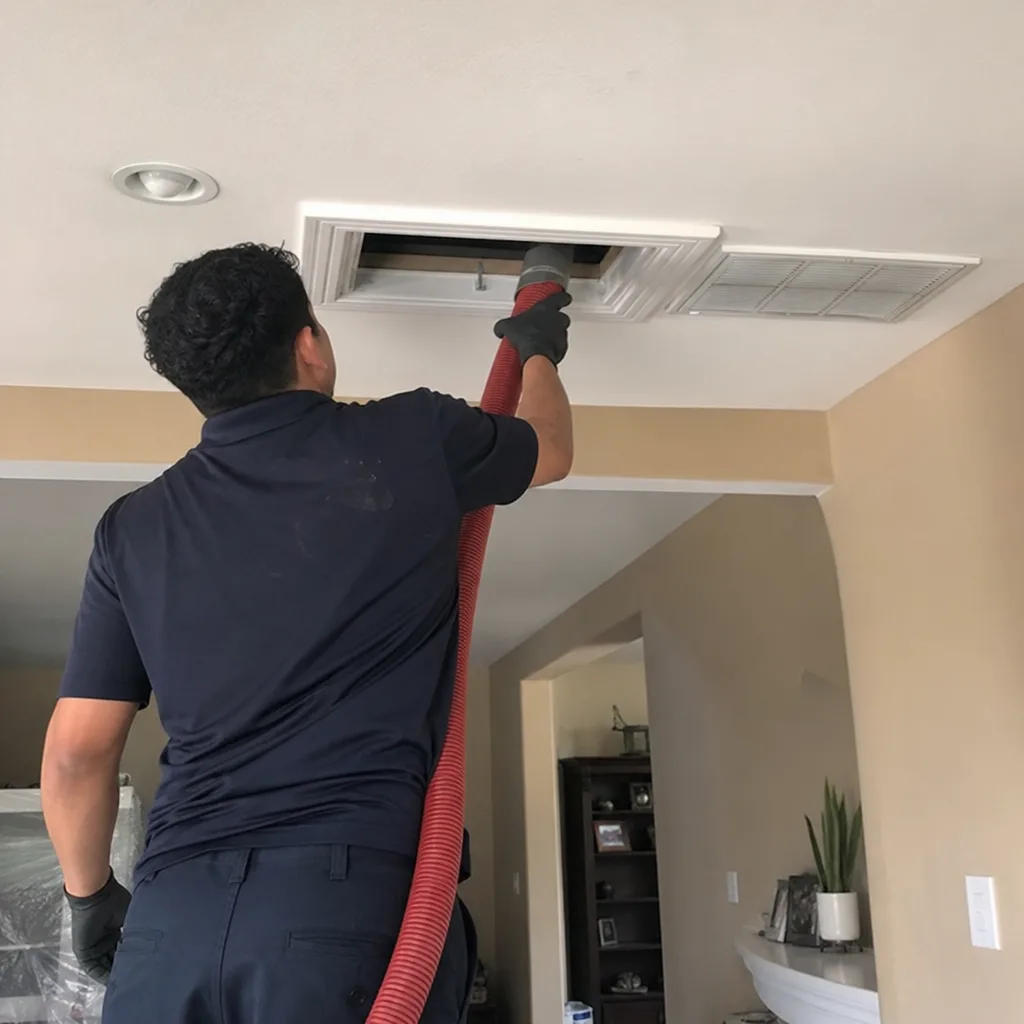
Whole-system duct and dryer vent check with before-and-after photos - you see exactly what came out of your vents
That "$99 whole-house special" is a bait ad - the real number appears once they are in your hallway, or the "clean" is a shop-vac at the register. We photograph the inside of your ducts before and after instead.
Air Duct Cleaning Troubleshooting: Common Problems and How to Fix Them
If your home still smells musty two weeks after a duct cleaning, the job didn’t fail randomly. A specific step was skipped, and that step is identifiable. Most homeowners in Carson who call us after a disappointing service experience describe the same handful of symptoms: persistent odors, dust reappearing within days, airflow that got worse instead of better, or a nagging feeling that nothing much happened while the tech was in the crawlspace. This guide maps those symptoms back to their mechanical root causes, and you can find more guides & resources on our blog. You’ll learn what actually goes wrong during a substandard duct cleaning, how to confirm it, and what a legitimate fix looks like. Most of what follows comes from what we find when we open access panels behind other crews.
Quick Answer
Air duct cleaning problems fall into predictable categories: the cleaning crew didn’t apply enough negative pressure to contain dislodged debris, didn’t reach the full duct run, didn’t access the plenum or blower compartment, or never addressed the contamination source at all. The fix is almost never another quick pass with basic Air Duct Cleaning. It’s a systematic re-clean using equipment that can actually pull the debris out, a repair of any duct leakage found during inspection, and documentation proving the work happened.
Styles & brands we work with
- Whole-home duct cleaning
- Dryer vent cleaning
- Camera inspection
- Sanitizing & deodorizing
Table of Contents
- Persistent Odor After Cleaning: What Actually Causes It
- Reduced Airflow After a Duct Cleaning: The Blower Wheel Problem
- Dust at Registers Within Days: Settling Residue vs. Duct Leaks
- How to Evaluate Whether the Equipment Was Adequate for Your Duct Volume
- What Proper Job Documentation Looks Like (And How to Use Its Absence)
- The Drain Pan Problem: When the Ducts Were Never the Source
- Why Your Dryer Vent Is a Separate Problem (And Why That Matters)
- Signs the Cleaning Itself Caused Duct Damage
Persistent Odor After Cleaning: What Actually Causes It
A musty smell that survives a duct cleaning usually comes from one of three places: residual organic debris in the plenum, microbial growth the technician never reached, or a condensation drain pan that was outside the scope of the work entirely. In Carson’s coastal humidity, that last one shows up more than homeowners expect. The air handler sits in a garage, attic, or closet, and if condensate isn’t draining properly, standing water breeds odor that blows through the entire system regardless of how clean the ducts are.
Here’s how to diagnose which of the three you’re dealing with:
- Sniff the supply registers when the system is off versus on. If the odor is present even when air isn’t moving, the source is likely inside the ducts or plenum. If it intensifies when the fan runs, the plenum, coil, or drain pan is the more probable culprit.
- Check the drain pan. Open the air handler cabinet (power off) and look at the pan under the indoor coil. Standing water, visible slime, or a dry white crust at the water line all point to a drainage issue. This requires a mechanical fix, not another duct cleaning.
- Inspect what you can see of the plenum. The supply plenum is the box that sits directly on top of the air handler. Many “cleaning” crews never open it. If the odor is strongest there, residual debris or microbial growth inside that box was simply never touched.
This is where the equipment distinction matters. A crew that brings in Abatement Technologies HEPA-filtered negative air machinery can pull continuously from the plenum while agitating the duct walls, which prevents aerosolized particulates from re-settling. That’s the standard professional restoration contractors use. The reason you still smell the problem after a discount cleaning isn’t mysterious. The problem was never removed. It was just stirred.
If the odor source is microbial growth in the plenum or on the coil, the fix is mechanical removal of the contaminated material, not a deodorizer fogged into the system. Odor masking products wear off. Removal doesn’t. In Carson, where summer humidity keeps coil surfaces damp, residual moisture also needs a drainage correction or the problem returns in weeks. A legitimate air duct repair service can fix a separated plenum or a pan with improper slope, but the first step is confirming where the smell actually originates. We’ve found the source behind a musty post-cleaning odor inside the blower compartment more than once. The previous crew simply never opened it.
Reduced Airflow After a Duct Cleaning: The Blower Wheel Problem
The counterintuitive result nobody expects is airflow that’s worse after a cleaning. It happens when aggressive brush agitation runs without adequate negative pressure to capture debris as it’s dislodged. Instead of being pulled out of the system, loosened particles travel toward the return and get drawn into the blower wheel. A blower wheel whose curved vanes are caked with compacted dust can’t move air efficiently. The result is weaker airflow at every register, longer run times, and sometimes a subtle imbalance vibration you didn’t notice before. This is a direct consequence of surface-agitation-only cleaning, the discount model where a rotating brush knocks debris loose and the machine’s airflow isn’t strong enough to carry it out. In a duct system with significant volume, you need CFM numbers that a consumer shop vac cannot produce. Contractor-grade systems like those from Rotobrush and Nikro are built to maintain negative pressure across long duct runs while the brush works. That pressure differential is what keeps dislodged material moving toward the capture point instead of falling back into the system or slipping into the blower.
If airflow dropped after your cleaning, the steps to confirm are:
- Check the filter first. A filter that captured a large volume of newly dislodged dust may be partially loaded within days. A clogged filter alone can mimic the blower wheel symptom.
- Feel register airflow before and after replacing the filter. If airflow remains weak with a clean filter installed, suspect the blower wheel.
- Have the blower assembly inspected. This requires removing the blower motor and wheel from the air handler cabinet. In our experience in Carson, a blower wheel that looks like it’s wearing a felt coat after a discount cleaning is a common find.
The fix is blower wheel removal and cleaning, and it should include the blower housing and the motor’s cooling ports. It is not a re-cleaning of the duct runs. It is a targeted mechanical cleanup of the component that was collateral damage. After the blower is clean, a proper re-clean of the supply and return with genuine negative pressure prevents the same failure from repeating. If you’re evaluating a crew, ask how many CFM their vacuum system produces. A legitimate operator will have a number. A discount operator will change the subject.
Dust at Registers Within Days: Settling Residue vs. Duct Leaks
Seeing dust accumulate around supply registers within days of a cleaning doesn’t automatically mean the crew failed. It often means the crew failed to contain what they dislodged, but there’s a second possibility that requires real diagnosis: the dust isn’t coming from the ducts at all. It’s being pulled into the system through a duct leak from an attic, crawlspace, or wall cavity. These are two different problems with two different fixes.
Settling residue from a disrupted cleaning appears quickly and tapers off. The cleaning loosened material in the ducts, the negative air pressure was insufficient, and the fine particulates settled in the low points and along register boots. When the system runs, that loose material exits the registers. It shows up as a fine, uniform dust film within the first week or two, then gradually diminishes. The correct remedy is a re-clean with actual containment.
Duct leak pulling attic particulate doesn’t taper off. It continues indefinitely and often correlates with the system running. The dust is consistent and frequently includes attic insulation fibers or crawlspace soil. A telltale sign is dust at one or two specific registers while others stay clean. A leak in a single duct branch pulls outside air only into that run. The air duct repair service we operate as a standalone offering exists precisely because this is a mechanical problem, not a cleaning problem, as explained in our guide on Choosing the Right Air Duct Cleaning Brand: A Buyer’s Guide for Carson. When we open access points during a cleaning in Carson and find separated duct joints or torn flex duct, we can seal the leak in the same visit. No second vendor, no follow-up appointment. The homeowner gets a cleaning and a repair from the same crew running the same vacuum capture, and the source of the dust is eliminated rather than vacuumed around.
To tell the two apart: place a clean, white napkin over a suspect register for 24 hours with the system running. Uniform fine dust suggests household dust re-settling. Fibers or gritty particles suggest an attic or crawlspace source. Persistent dust at a single register strongly suggests a leak in that branch. That’s when an inspection with access points matters more than another cleaning pass.
How to Evaluate Whether the Equipment Was Adequate for Your Duct Volume
The central variable in any duct cleaning is negative pressure. Airflow through the cleaning system has to be strong enough to carry dislodged debris through the ducts and out of the home. When it isn’t, debris falls back into low points, collects in the plenum, or gets pulled into the blower. This is the underlying reason many Carson homeowners feel like their cleaning didn’t “take.” The equipment couldn’t actually extract what it loosened.
You can evaluate whether the equipment was adequate even if the job is already done. Ask these questions:
- Was the system a portable vacuum or a truck/trailer-mounted unit? Portable consumer-grade vacuums rarely pull more than a few hundred CFM through a hose. Contractors running Rotobrush or Nikro equipment use systems designed to pull 2,000+ CFM through the ductwork. One of those numbers is adequate for a residential system. The other isn’t.
- Was a negative air machine running during the work? Abatement Technologies HEPA-filtered negative air units are standard in professional contaminant remediation. In duct cleaning, they create the pressure differential that captures dislodged debris at the access point. If no negative air machine was deployed, the containment story doesn’t hold together.
- Were access points cut or opened, or was everything done through one register? Long duct runs need access points at intervals. Brushing a 30-foot run through a single boot is like sweeping a hallway through a keyhole. The debris loosened in the middle of the run just settles back down.
- Did the crew inspect the plenum, blower compartment, and coil? If the answer is no, those components were never part of the job. They are the components where debris actually collects. A duct “cleaning” that skips them is a vent dusting.
CFM is the number that matters. If a company can’t tell you what their system pulls, they are not operating professional air duct cleaning equipment. They are operating a rotating brush with a shop vacuum attached. The outcome difference is documented, measurable, and completely predictable. In Carson’s older housing stock, many duct systems are original to the home, with long runs and hard 90-degree transitions. That makes proper extraction even more essential because debris has more places to hide in low spots and corners. Weak airflow guarantees it stays there.
What Proper Job Documentation Looks Like (And How to Use Its Absence)
A legitimate air duct cleaning produces evidence. If the company that cleaned your ducts cannot show you what the inside of your ducts looked like before and after they worked, you have no way to know whether any cleaning occurred, and neither do they. Documentation is the difference between a verifiable service and a story you were told.
Proper documentation includes:
- Before-and-after photos of the supply plenum, return drop, and representative sections of the main trunk line. These are the areas where debris accumulates. If someone hands you only a photo of a single duct run with a few dust streaks, that’s not documentation. That’s a photo album.
- The location of every access point opened. A written list or marked diagram showing where access was gained tells you how much of the system was actually reachable. No access points near the air handler suggests the plenum was never opened.
- The total linear footage of duct cleaned. This should match the accessible runs in your home. If your system is estimated at 200 linear feet and the crew documented 80, a large portion of the system was never touched.
- A summary of what was found. Debris type, moisture, microbial growth, separated joints, damage, filter condition. A crew that cannot tell you what they found found nothing, which is not plausible in a system that hasn’t been cleaned in years.
- Equipment used. Not just “professional equipment,” but actual names. If a company runs Rotobrush or Nikro machinery and Abatement Technologies negative air, they will tell you, because the equipment is the entire value proposition. Vague wording is a red flag.
Here’s how to use documentation absence as leverage. If your post-cleaning complaint is that the job didn’t work, and the company cannot produce before-and-after photos or an access-point record, you have reason to demand a re-clean at no charge. Arrive at that conversation with specifics: “You never opened an access point at the plenum, so the coil and plenum were never cleaned.” That’s a factual statement derived from their missing documentation. It is difficult to argue against.
The Drain Pan Problem: When the Ducts Were Never the Source
Sometimes the air duct cleaning wasn’t the problem at all, because the ducts were never the source. In Carson, with the marine layer pushing humidity into homes year-round, air handlers produce significant condensate. That water is supposed to drain through a PVC line to the exterior. When the line clogs, the pan fills. When the pan fills, standing water sits next to the blower, the coil, and the return air stream. That water breeds microbial growth, and the smell rides the airflow into every room.
Duct cleaning cannot fix a drainage problem. A crew could clean every inch of ductwork and the odor would return within weeks, because the standing water is still there. This explains a frustrating pattern: a homeowner pays for duct cleaning, the smell subsides briefly (perhaps because the cleaning temporarily disrupted the biofilm), and then returns. The homeowner blames the duct company. The actual culprit is a clogged condensate line or a drain pan out of level.
Signs the drain pan is your real issue:
- Musty odor that intensifies when the system first starts cooling, then fades. This is the smell of standing water being drawn across the coil.
- Water stains or rust on the air handler cabinet below the pan.
- The condensate line’s exterior opening is dry on a hot, humid day when the AC has been running. A properly draining system produces a steady drip.
- Visible slime or crust in the pan itself.
The fix is mechanical: clear the line, correct the pan slope, replace a cracked pan if necessary. A company whose scope includes air duct repair can address a pan or condensate issue found during an inspection. A duct-cleaning-only company typically cannot and may not even look. If you’re scheduling a cleaning for odor issues, ask whether the inspection includes the drain pan and condensate line. If it doesn’t, you may be paying for a service that cannot possibly solve the actual problem. The Duct Cleaning Carson home scope covers the full inspection because in our climate, drainage and ductwork operate as one system, not two.
Why Your Dryer Vent Is a Separate Problem (And Why That Matters)
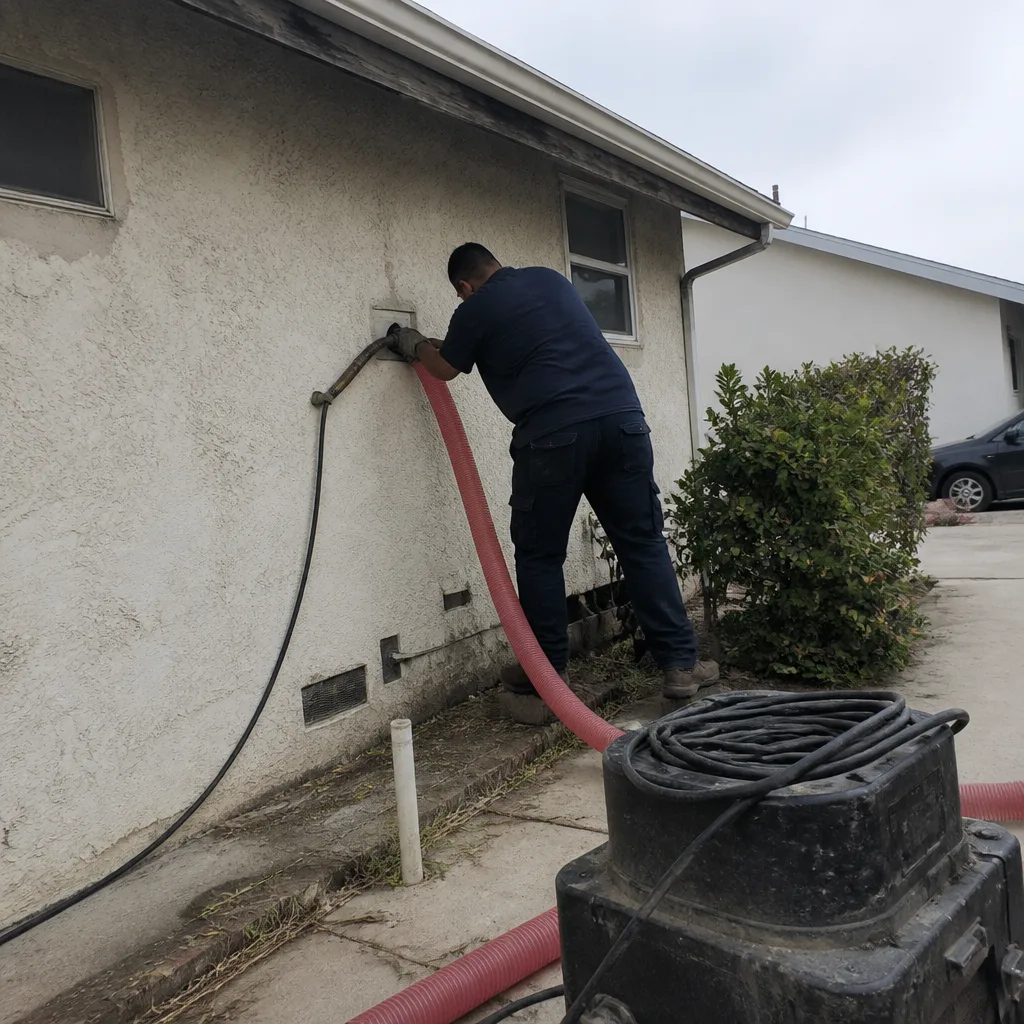
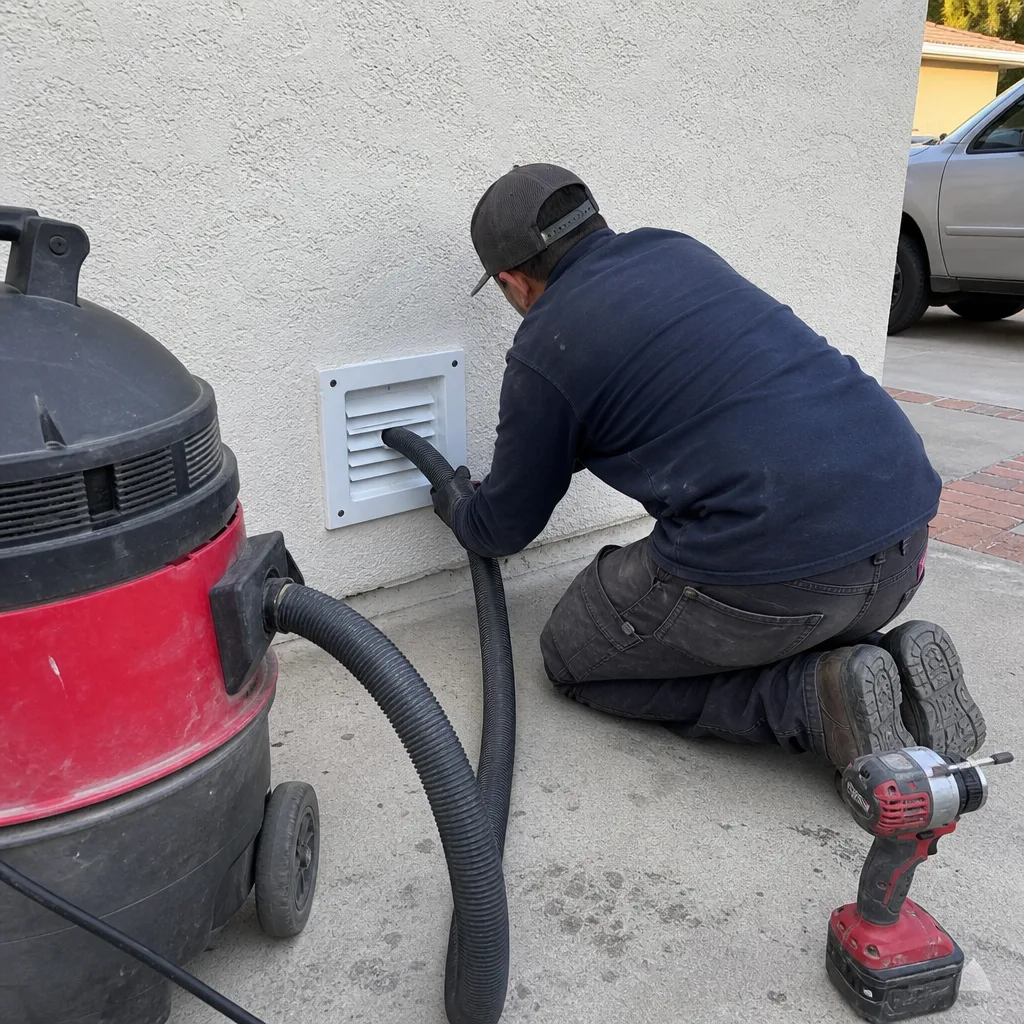
Some homeowners assume that because someone cleaned their ducts, their dryer vent was handled too. It wasn’t. A dryer vent is a separate exhaust path that runs from the back of the dryer to the exterior. It carries hot, moist air and lint. It is not connected to the HVAC duct system at all. A crew could clean every supply and return run in the house and never touch the dryer vent, because it’s outside the HVAC air path.
This distinction matters because lint-blocked exhaust venting is a documented residential fire cause, not a comfort issue. Dryer vents narrow as lint accumulates on the walls. The dryer still tumbled, but the exhaust path restricting. The result is longer dry times, overheating, and a real fire risk that accumulates quietly in a metal pipe behind the wall. A company that treats Dryer Vent Cleaning in Manhattan Beach as a separate, dedicated scope understands this. It’s why our dryer vent service isn’t a discounted add-on to a duct cleaning package. The tools and access points are different, the safety stakes are different, and the work requires focused attention, not a brush shoved through the vent as an afterthought while the duct equipment is packed up.
If you’ve had your air ducts cleaned and you don’t remember anyone mentioning the dryer vent, check whether the vent was included in the scope. It probably wasn’t. In Carson’s housing stock, dryer vents are unusually long in many floor plans, running through garages or crawlspaces to reach an exterior wall. Long runs collect more lint and clog faster. If your clothes are taking two cycles to dry, the vent is already partially blocked. Cleaning the HVAC ducts won’t change that. A dedicated dryer vent cleaning will.
Signs the Cleaning Itself Caused Duct Damage
Aggressive cleaning can damage ducts, particularly older flex duct or poorly sealed sheet metal. The signs are often subtle at first, but they have real consequences. A separated joint opens a gap between duct sections. A torn flex duct leaks conditioned air into an attic or crawlspace. A crushed section restricts airflow. Each failure has a signature.
Signs to watch for:
- A new whistling or rushing sound from a wall or ceiling when the system runs. This is air escaping through a gap that wasn’t there before.
- One room that now conditions poorly. If the bedroom at the end of a long run suddenly doesn’t heat or cool as well, a leak in that branch is the likely cause.
- Higher utility bills in the months following the cleaning. Leaking ducts dump conditioned air into unconditioned space, so the system runs longer to satisfy the thermostat.
- Visible dust or insulation fibers at a specific register. Same signature as a pre-existing leak, but appearing immediately after a cleaning points to the cleaning process as the cause.
This is why air duct repair capability matters. A cleaning company that lacks repair skill will either not notice the damage it caused or contract it out, leaving the homeowner stuck with a second vendor, a second appointment, and a second invoice. Our process includes inspection of the accessible runs after cleaning, and when we find damage, we repair it in the same visit. The Air Duct Repair in Manhattan Beach service is a standalone offering because sometimes repairs are needed without a cleaning, but it’s also the safety net that catches damage during a cleaning. You shouldn’t need two companies to solve one problem. In Carson, where many homes have duct systems decades old, that safety net has caught separated branches, collapsed flex runs, and gaps at register boots.
Common Mistakes to Avoid
- Hiring on a coupon price without asking about equipment. The discount duct cleaning model depends on volume, not extraction. If the crew lists no CFM numbers and no negative air machine, the price reflects what you’re not getting. In Carson, that low price almost always means a surface brush pass with weak capture.
- Assuming the odor source is the ducts. The drain pan, the coil, or a return leak in a crawlspace can all produce odors that duct cleaning cannot resolve. Rule out the mechanical sources before scheduling another cleaning.
- Ignoring the dryer vent because “the ducts were cleaned.” They are separate systems. A blocked dryer vent is a fire risk that no HVAC duct cleaning addresses. Have it done as a dedicated service.
- Accepting a cleaning without documentation. No before-and-after photos, no access point record, no footage total. You have no proof the work happened. Demand documentation, then verify it matches your home’s system.
- Believing a fogged deodorizer means the system is clean. Deodorizers mask odor. They do not remove debris, microbial growth, or standing water. If the tech’s final step was a scented fog, ask what physical material was removed. If the answer is vague, the cleaning was too.
- Skipping the filter inspection after a cleaning. A cleaning dislodges material that ends up in the filter. If no one checked or replaced the filter afterward, you may be running a loaded filter that strangles airflow immediately after the service.
- Treating airflow loss as a coincidence. If airflow drops after a cleaning, the most likely cause is debris knocked into the blower wheel by aggressive agitation without containment. It’s not a coincidence. It’s a process failure. Have the blower inspected.
See the difference
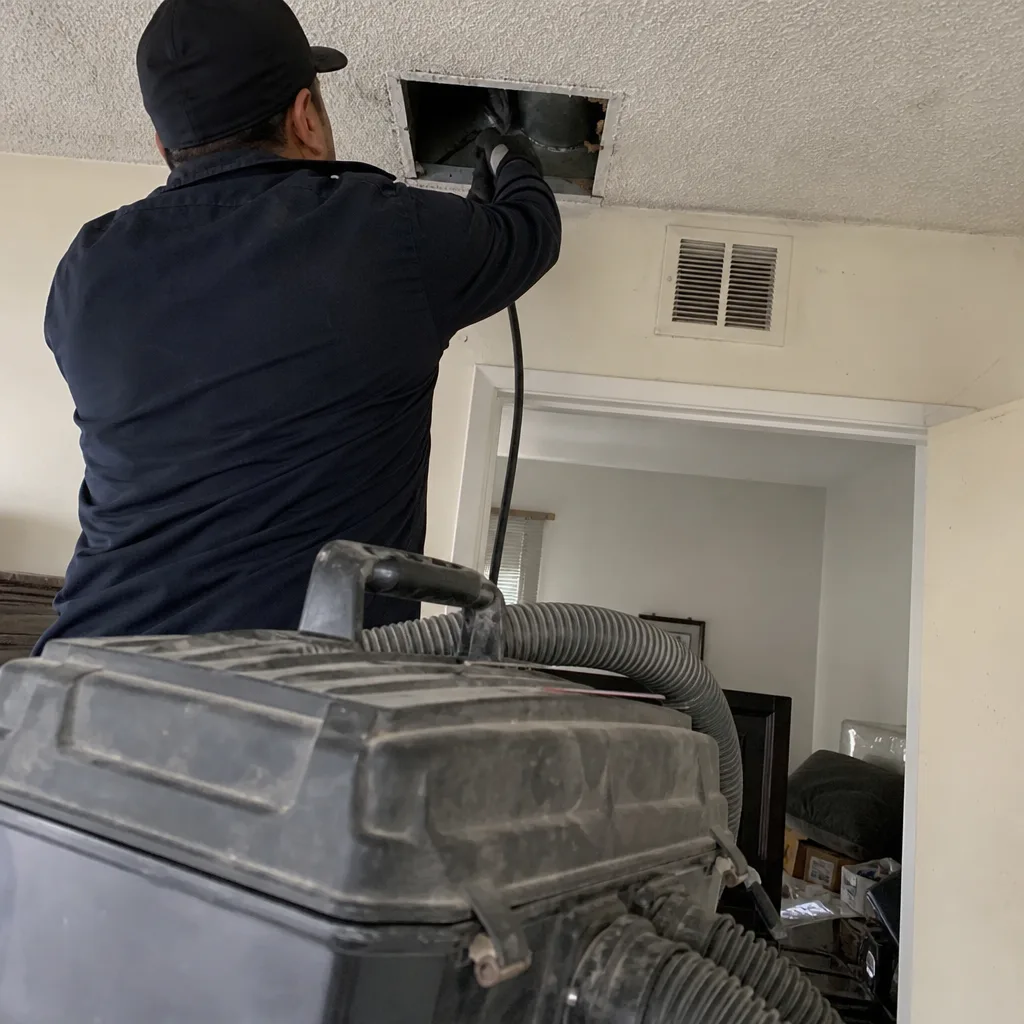 Before
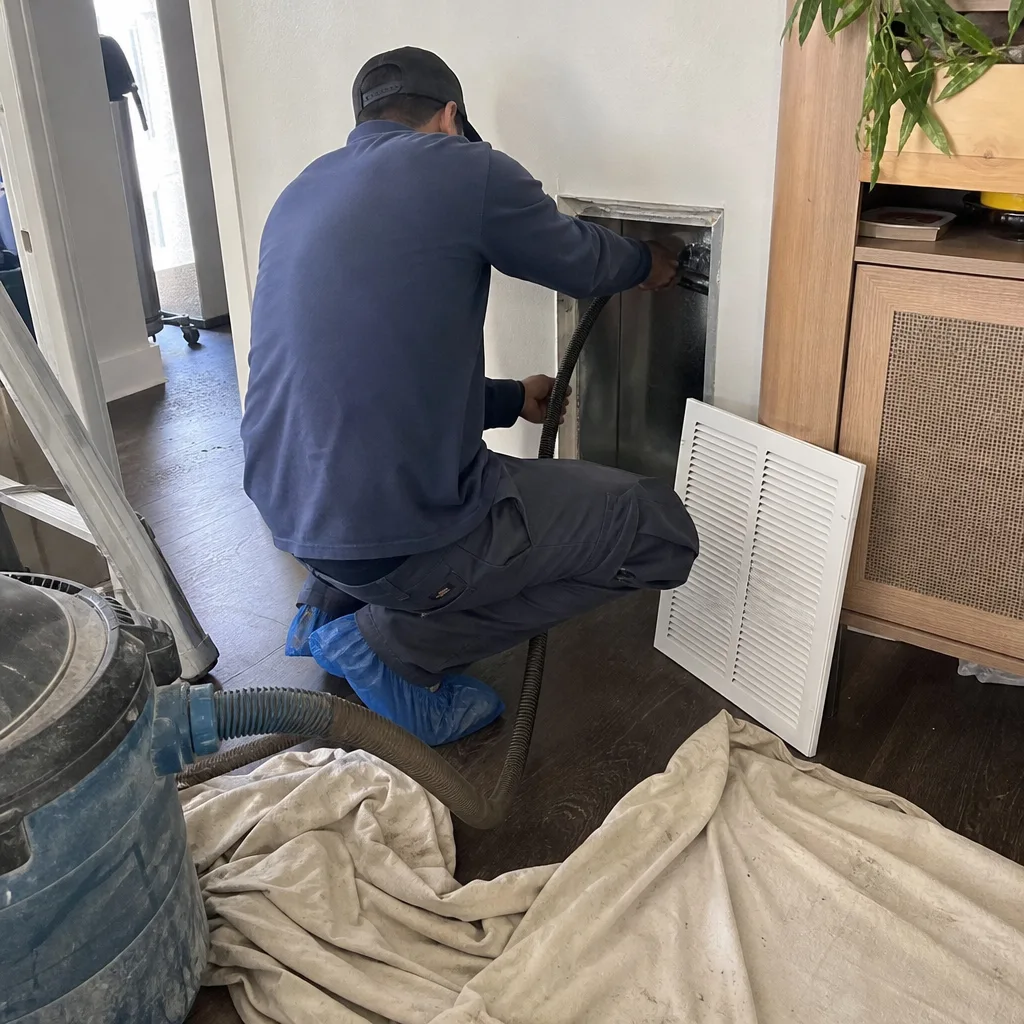 After
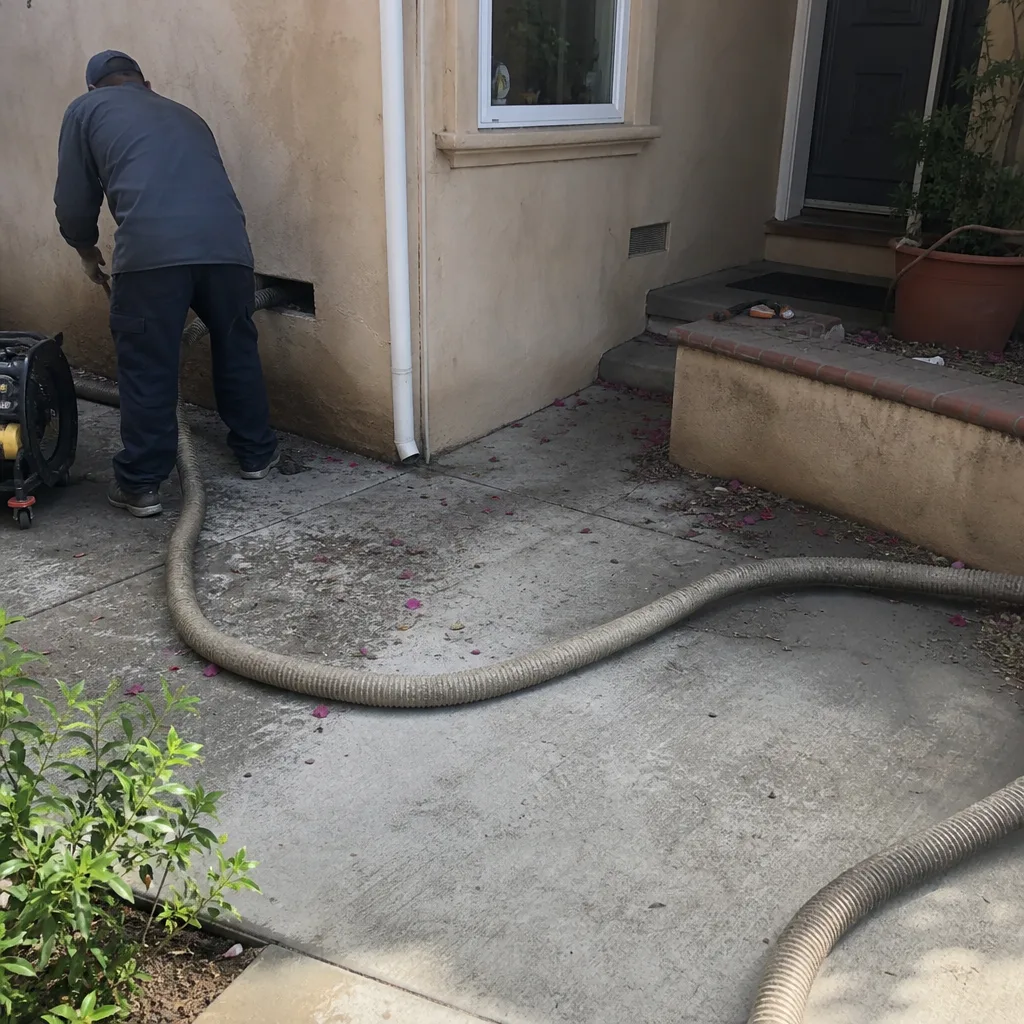 Before
 After
 Before
 After
When to Call a Professional
Call a professional when the symptom persists after you’ve done the basic checks: the filter is clean, the registers are open, the drain pan isn’t the obvious culprit, and the odor or dust still won’t clear. Call when airflow remains weak, when you see insulation fibers at a register, or when documentation from a previous cleaning doesn’t exist. These are not situations where another DIY pass with a consumer brush attachment helps. They require access, negative pressure, and inspection capability that only professional equipment provides. Duct Cleaning Carson offers free estimates in Carson. Call (866) 569-6170 and describe what you’re seeing. We’ll tell you honestly whether the issue is the ducts, the blower, the drain, or the vent, and we’ll show you the evidence for whatever we find.
Frequently Asked Questions
A legitimate whole-system air duct cleaning in Carson typically falls between $400 and $900 for a single system, depending on home size, number of access points needed, and linear footage. Companies charging $99 or $149 are not cleaning the system. They are producing a coupon redemption with a rotating brush and weak extraction. Our price is one flat rate per system, agreed before work starts, and it covers the plenum, supply and return runs, blower inspection, and filter check. Call (866) 569-6170 for a line-item estimate based on your home’s actual duct layout.
Cheaper quotes reflect what’s omitted: adequate CFM, negative air equipment, access points, and the plenum and blower compartment. A discount crew can run a brush through a few visible vents and call it finished because no one can see inside to contradict them. Professional equipment from companies like Rotobrush and Nikro costs real money to operate and maintain, and the labor to open access points and run Abatement Technologies negative air machinery is the labor that actually removes debris. If the quote seems too cheap for a day of real work, it isn’t a day of real work.
You should receive before-and-after photos of the plenum and representative trunk sections, a record of access point locations, and the linear footage cleaned. If any of those is missing, you cannot verify the work, and you should ask for it. Legitimate companies document their work because the documentation is their proof of performance. If you’re in Carson and a previous cleaning came with no documentation, call (866) 569-6170 and we can inspect what was actually cleaned and what wasn’t.
Most homes in Carson benefit from a thorough cleaning every 3 to 5 years, though homes with pets, recent construction, or wildfire-season exposure may need it more often. The cliché of an annual cleaning was invented by companies selling subscriptions, not solving problems. A competent cleaning with real extraction should hold up for years unless something is introducing new debris, such as a duct leak or a missing filter run. If you’re being told you need cleaning every year, ask what’s changing in your system that often.
It can, but only if the smell originates in the ducts or plenum. If the source is a clogged drain pan, microbial growth on the coil, or a crawlspace leak drawing damp air into the return, no duct cleaning will permanently resolve it. The correct process is inspection first: open the plenum, check the coil, check the drain, then determine whether the ducts themselves need cleaning, as detailed in our Air Duct Cleaning Warning Signs: A Carson Homeowner’s Reference Guide. A company that skips the inspection and promises odor removal is selling an outcome it hasn’t verified.
Yes. Dryer vent cleaning is a separate, dedicated service in our scope, not an add-on. A blocked dryer vent is a lint-driven fire risk, and it requires its own tools, its own access points, and its own inspection. If you’re in Carson or nearby Manhattan Beach, the Air Duct Cleaning in Manhattan Beach service area covers the same three-scope model: ducts, vents, and repair. Call (866) 569-6170 to schedule any of them.
The Bottom Line
Air duct cleaning problems aren’t random. Persistent odor means the plenum, coil, or drain was never addressed. Reduced airflow means debris reached the blower wheel because extraction was inadequate. Dust at registers means either containment failed or a duct leak is pulling outside air. Every symptom traces back to a specific process failure, and every process failure traces back to equipment that couldn’t do the job. The fix is a systematic re-clean with genuine negative pressure, a mechanical repair if needed, and documentation that proves the work. In Carson, where humidity, long duct runs, and older housing stock converge, the margin between a discount pass and a real cleaning is the difference between a problem that returns in weeks and one that stays solved for years. Call (866) 569-6170 for a free estimate and we’ll tell you, with photos, what’s actually inside your ducts.
Written by the team at Duct Cleaning Carson, serving Carson since 2011.