
Last updated November 2, 2026
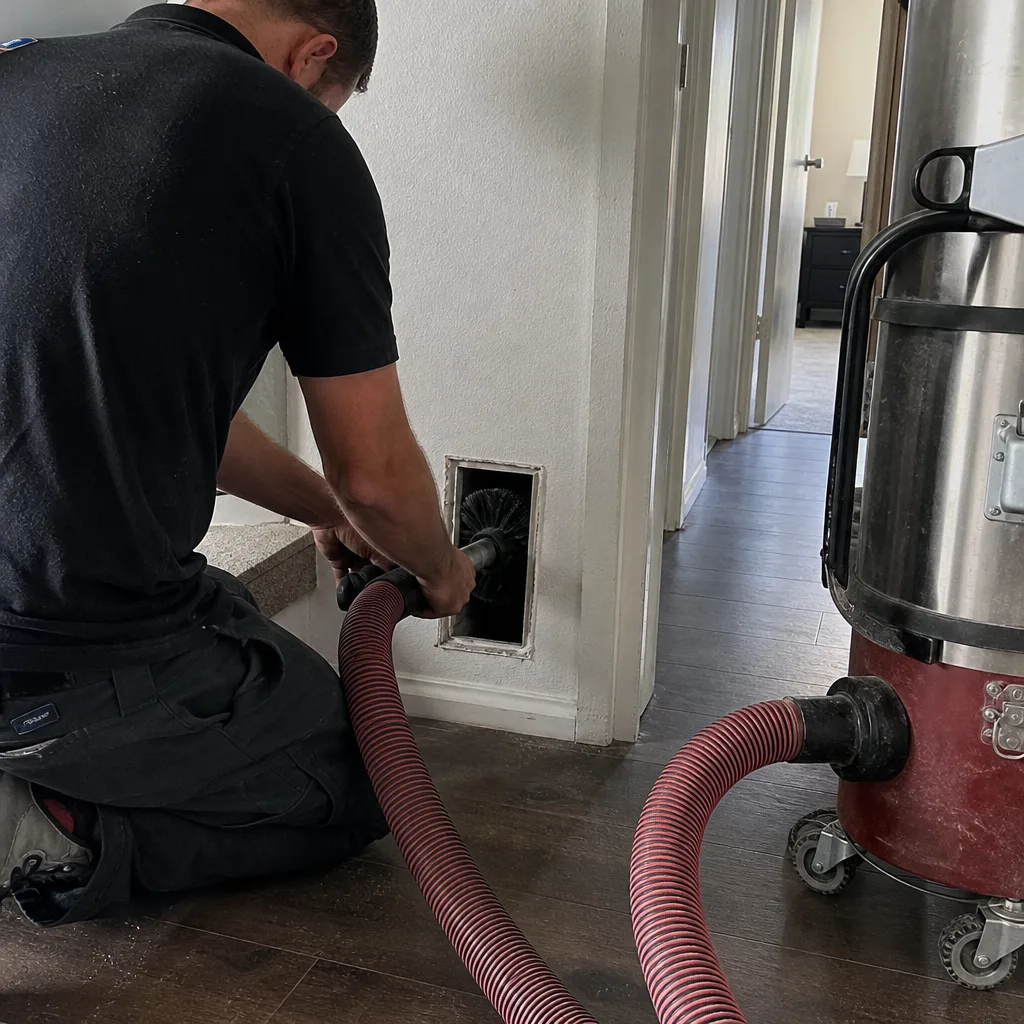
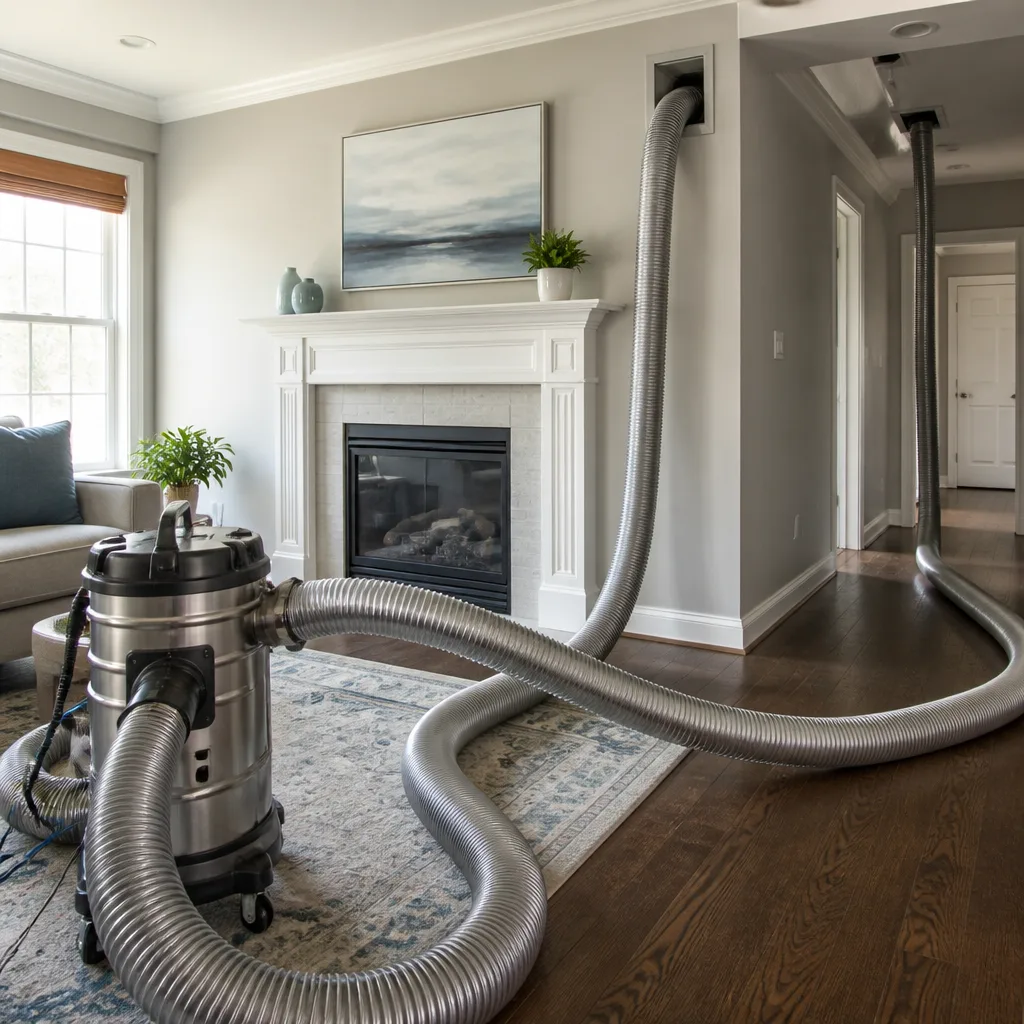 Whole-home duct cleaning
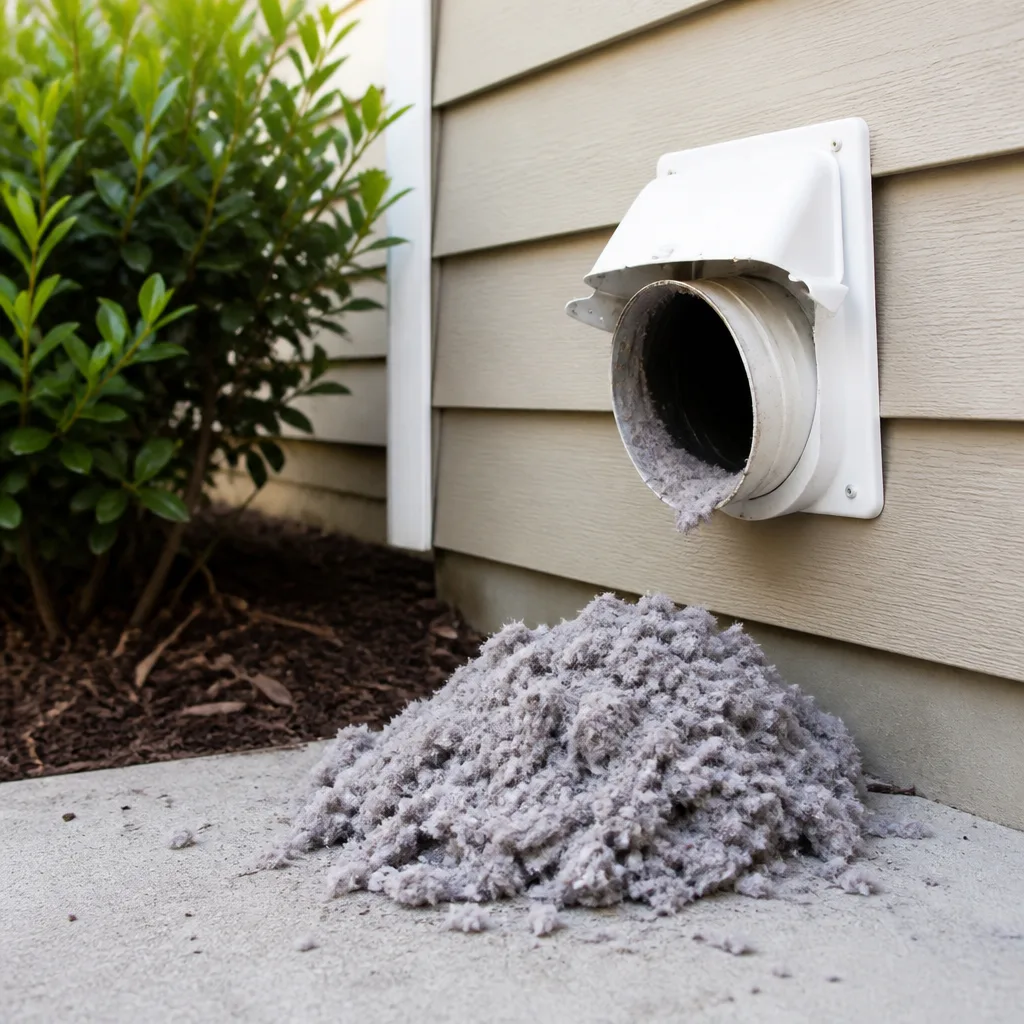 Dryer vent cleaning
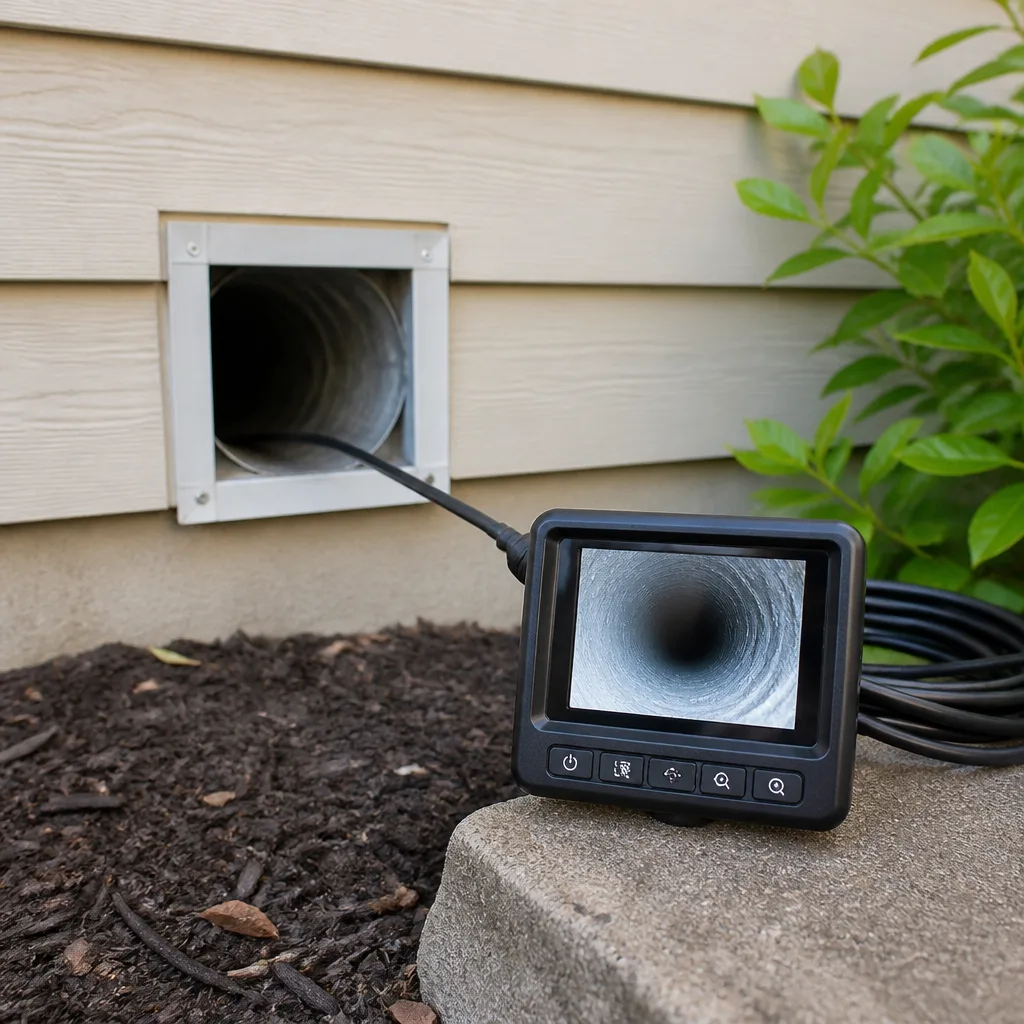 Camera inspection
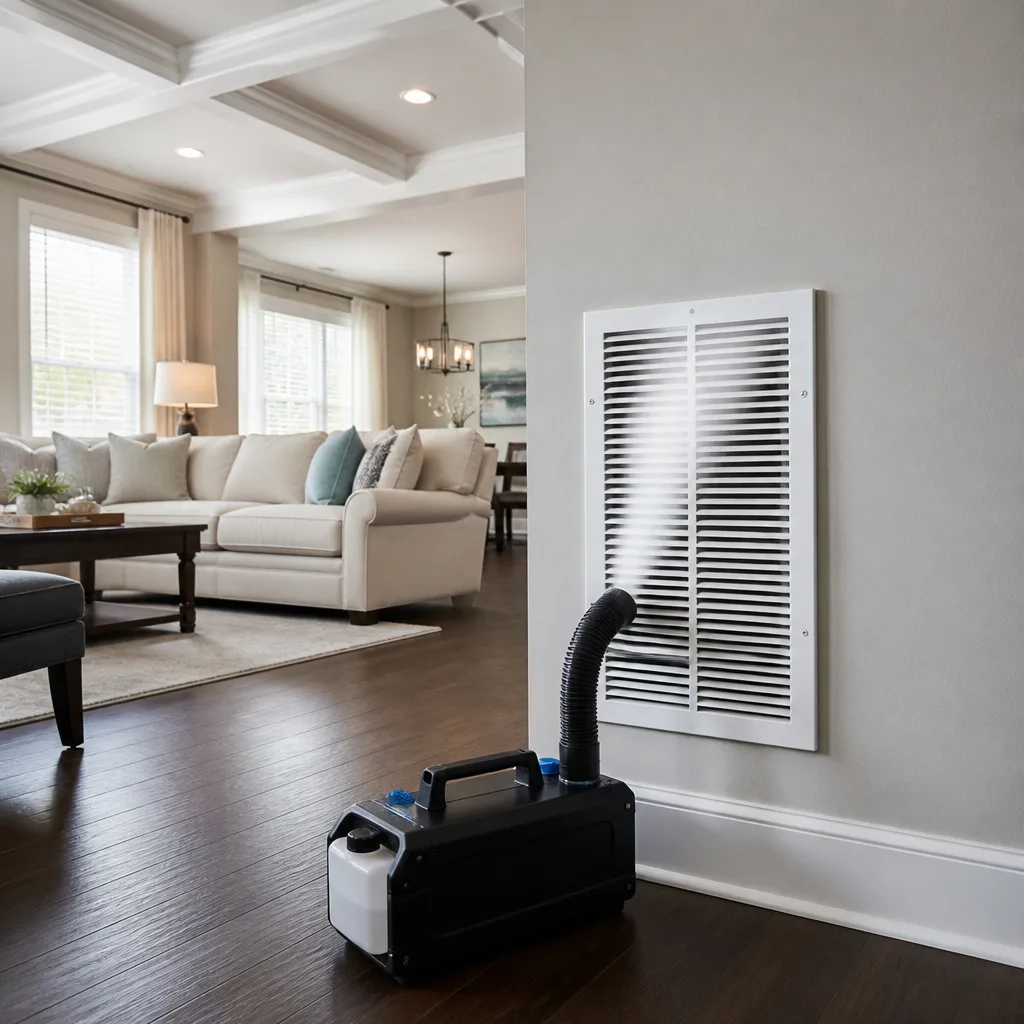 Sanitizing & deodorizing
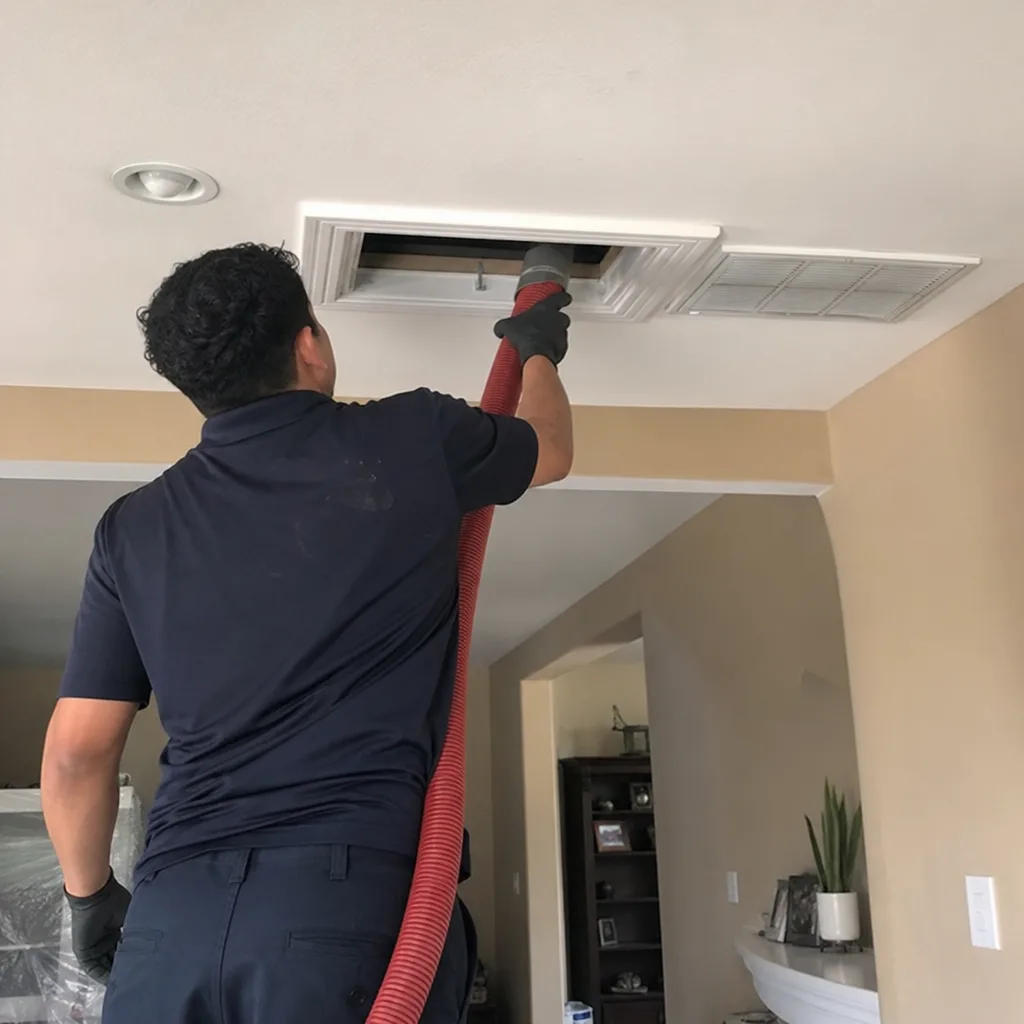
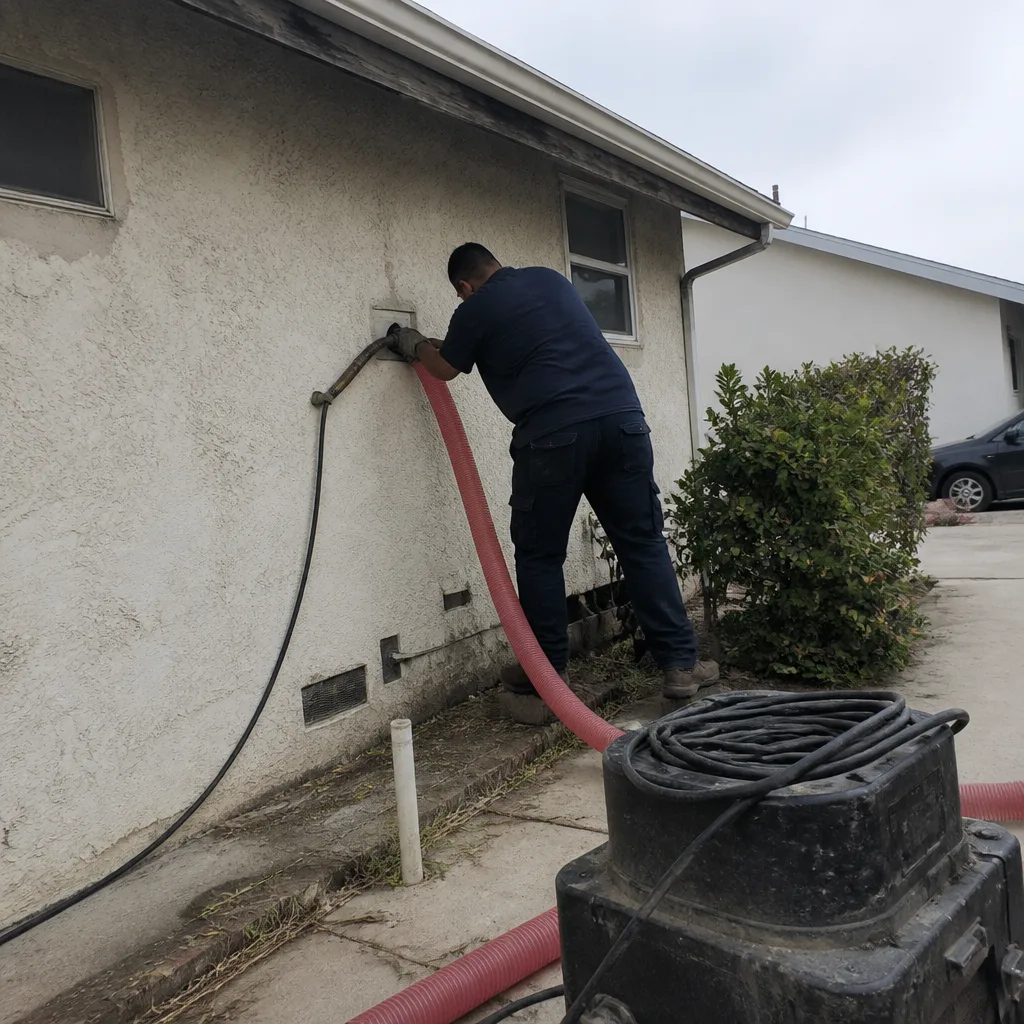
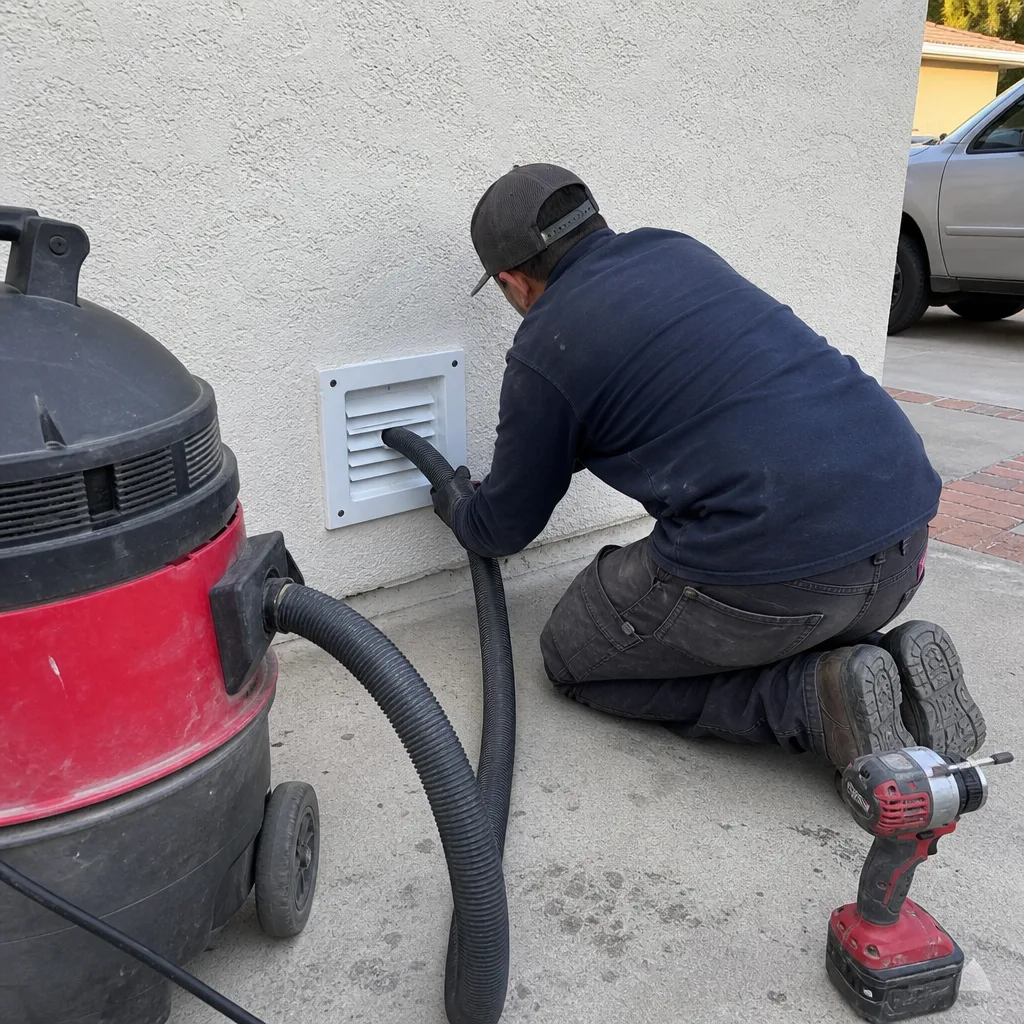
Whole-system duct and dryer vent check with before-and-after photos - you see exactly what came out of your vents
That "$99 whole-house special" is a bait ad - the real number appears once they are in your hallway, or the "clean" is a shop-vac at the register. We photograph the inside of your ducts before and after instead.
Air Duct Cleaning Permits, Codes & Inspections in CA: What You Need to Know
Here’s the counterintuitive reality: a routine Air Duct Cleaning services visit in California requires no permit in almost every municipality, including Carson. You can hire a company, have every register, boot, trunk line, and return scrubbed with contractor-grade equipment, and never once interact with a building department. That’s the good news. The problem is what happens when the technician finds something else. Mold growth. A torn flex duct. A disconnected plenum. A crushed return. Each of those discoveries converts a no-permit cleaning into a system alteration that California building codes genuinely do regulate. Homeowners in Carson who don’t understand where that line sits often end up with unpermitted HVAC modifications they discover only during escrow, when a buyer’s inspector flags the work and the deal starts bleeding time and money. This guide draws the boundary clearly so you know what requires documentation, when a permit is mandatory, and what to verify before work on your ducts begins.
Quick Answer
Duct cleaning itself does not require a permit in Carson or anywhere in California. But if cleaning turns into actual system alteration – replacing duct sections, sealing leaks with mastic or Aeroseal, adding access panels, or remediating microbial growth – California Building Code Title 24 and the California Mechanical Code kick in, often requiring a mechanical permit from the City of Carson Building and Safety Division. If mold is found inside ductwork, California Department of Public Health (CDPH) guidance applies, and the work generally must be performed by a contractor holding the appropriate license and, where required, a mold remediation certification. The practical rule: cleaning is unregulated; alteration and remediation are not.
Styles & brands we work with
- Whole-home duct cleaning
- Dryer vent cleaning
- Camera inspection
- Sanitizing & deodorizing
Table of Contents
- What Air Duct Cleaning Actually Is (And Why It’s Unregulated)
- When a Permit Becomes Necessary: The Alteration Threshold
- Mold in Ductwork: CDPH Guidelines and Carson Enforcement
- Duct Sealing, Title 24, and HERS Testing in LA County
- Why Verbal ‘No Permits Needed’ Claims Don’t Protect You
- EPA Guidance vs. California Requirements: What Actually Has Teeth
- What to Document Before, During, and After the Job
What Air Duct Cleaning Actually Is (And Why It’s Unregulated)
Mechanical cleaning of air ducts means removing accumulated dust, debris, and contamination from the interior surfaces of supply and return ducting, registers, grilles, coils, and the air handler. The work is done with negative-pressure machinery, rotary brushes, compressed air, and HEPA-vacuum capture systems. In our operation, that means Rotobrush and Nikro duct cleaning systems paired with Abatement Technologies negative-air equipment. It’s invasive only in the sense that tools enter the system; nothing about the system’s structure, design, or function changes.
That last sentence matters more than most homeowners realize. California building codes regulate modification, not maintenance. The California Mechanical Code defines mechanical work requiring permits in terms of installation, alteration, repair, replacement, and addition to mechanical systems. Scrubbing the inside of an existing duct doesn’t touch that definition. You’re removing material, not changing the system. Think of it like washing a car versus rebuilding an engine. The washing doesn’t summon the DMV.
This is why no permit exists for “duct cleaning” in Carson, Los Angeles County, or anywhere in the state. The City of Carson Building and Safety Division lists mechanical permits for installation and alteration; routine maintenance falls outside the scope. The National Air Duct Cleaners Association (NADCA), which publishes the closest thing to an industry standard, explicitly frames its guidelines as maintenance procedures. We mention this because some contractors use the maintenance-versus-alteration distinction in reverse, downplaying work that genuinely is regulated. Knowing the technical boundary protects you.
When a Permit Becomes Necessary: The Alteration Threshold
The line is crossed when a cleaning crew stops removing material and starts changing the system. Replacing a damaged run of flex duct. Cutting into a plenum to install a cleanout access. Relocating a supply register. Adding a return. Any of these is an alteration under the California Mechanical Code and California Building Code Title 24, and the City of Carson requires a mechanical permit for the work. The contractor performing it must carry the appropriate California Contractors State License Board (CSLB) classification – typically C-20 (warm-air heating, ventilating, and air conditioning) or C-43 (sheet metal).
Here’s the scenario we see repeatedly in Carson: a homeowner books a cleaning. The technician finds a disconnected return or a crushed trunk. The fix looks simple – reconnect it, maybe replace a short flex section. The job gets done same-visit. No permit. The homeowner is pleased. Two years later, the house is in escrow, and an inspector notes the unauthorized mechanical modification. The seller now faces the choice of opening a retroactive permit (which means exposing the work for inspection) or crediting the buyer for repairs. Both paths are expensive in time, money, or both.
The correct sequence when damage is discovered looks like this:
- Cleaning stops at the point of discovery. The contractor documents what was found with photos and a written description.
- The homeowner decides whether immediate repair is wanted. If yes, the scope change is defined in writing.
- Permit application. The licensed contractor submits a mechanical permit application to the City of Carson Building and Safety Division. This typically requires a brief scope description and may include drawings for larger removals.
- Work performs after permit issuance. Inspections happen after the work, not before.
- Final inspection sign-off. The city inspector verifies the work, and the permit receives final approval. The homeowner keeps this record.
Not every minor fix crosses the threshold. Reattaching a section of flex duct that hasn’t separated, replacing a register face, or fastening loose strapping generally counts as maintenance. Replacing a destroyed section of duct does not. When in doubt, ask the contractor to explain in writing why the specific repair doesn’t require a permit. A legitimate professional can answer that question with code references.
Mold in Ductwork: CDPH Guidelines and Carson Enforcement
Mold inside ductwork is a different regulatory animal than dust and debris. California’s 2001 Toxic Mold Protection Act directed the California Department of Public Health to create guidelines for mold assessment and remediation. Those guidelines, while often described as advisory, establish the framework Los Angeles County and city-level enforcement consistently reference. The practical consequence for duct work is this: cleaning mold from inside an HVAC system is remediation work, not maintenance.
The CDPH guidelines set several requirements that matter to any Carson homeowner facing this situation. Replaced porous material (insulated flex duct lining, for example) must actually be replaced – cleaning doesn’t remediate mold absorbed into porous surfaces. Containment must prevent spore dispersal during removal. Workers need respiratory protection. The contractor must be trained in mold remediation practices, and in many cases, a certified mold remediator is the only party legally positioned to perform the work. A C-20 HVAC contractor can replace contaminated duct, but if the scope extends into surfaces surrounding the system – drywall, insulation, framing – the appropriate license changes.
Here’s the specific trap for a duct cleaning context in Carson: a technician sees mold during a cleaning. The homeowner, understandably alarmed, wants it handled now. The technician agrees to “clean it up” with the equipment already on site. The problem is that cleaning mold from non-porous duct surfaces is different from remediating porous contaminated material. If the contaminated material remains and spores keep cycling through the system, the homeowner has paid for incomplete work that carries a label – microbial contamination – that follows the house through every subsequent disclosure. Property sellers in California are legally required to disclose known mold issues. That disclosure obligation doesn’t disappear because a cleaning company cheerfully wiped down a few surfaces.
What should happen instead:
- Cleaning stops. The technician flags the mold and defines the affected scope.
- An assessment determines whether porous materials are involved. If yes, those sections require replacement, not cleaning.
- The homeowner verifies the contractor’s licensing and remediation qualifications. Check the CSLB license number and ask for documentation of mold remediation training. A contractor can hold a valid license and still not be appropriately qualified for remediation.
- Containment and removal proceed under proper protocol. Negative-pressure containment, HEPA capture, proper respiratory protection. In our Carson duct repair work, we use Abatement Technologies HEPA equipment precisely because this category of machinery is designed for contaminant control, not cosmetic cleaning.
- Post-remediation verification confirms the work. Surface sampling or particulate checks, if specified.
If a company downplays mold as “just some growth, we’ll spray it,” terminate the job. The cleanup phrase that worries experienced inspectors is “we treated it.” Treatment without removal and verification isn’t remediation under CDPH guidelines.
Duct Sealing, Title 24, and HERS Testing in LA County
California’s Title 24 energy code doesn’t regulate duct cleaning, but it very much regulates duct sealing. In Los Angeles County, including Carson, duct sealing that affects system leakage must comply with Title 24 Part 6, which sets maximum allowable duct leakage rates. For existing buildings, the thresholds vary by project scope, but any substantial duct sealing or replacement triggers verification requirements that most cleaning companies are not equipped to handle.
The relevant mechanism is HERS – Home Energy Rating System – testing. When new HVAC equipment is installed or existing ductwork is significantly modified, a HERS rater must verify that duct leakage meets Title 24 compliance. A company that applies mastic sealant to duct joints during a cleaning visit is not necessarily required to pull a permit, but if that sealing accompanies duct replacement or qualifies as a system alteration, the permit comes with HERS verification obligations.
Aeroseal, a pressurized aerosol duct sealing process, complicates the picture further. In the Los Angeles County market, Aeroseal is marketed heavily as a no-demolition way to seal ducts from the inside. The work itself often involves a mechanical permit because it’s a system modification, not maintenance. If a contractor tells you Aeroseal requires no permit, ask for that in writing with a code citation. In our experience serving the Carson area, the answer depends on the project’s details, but the contractor should be able to explain the analysis process, not hand-wave the question.
The takeaway: duct sealing can be a genuinely valuable service in Carson, where the marine layer and summer heat push HVAC systems hard. But it operates under energy-code territory that a duct-cleaning-only company may not know or acknowledge. Our Air Duct Repair in Manhattan Beach work overlaps with this regularly, and we’ll tell you plainly when a sealing job crosses into permit territory.
Why Verbal ‘No Permits Needed’ Claims Don’t Protect You
We hear a version of this sentence routinely: “The contractor said no permit was needed.” The homeowner says it three years later, standing in a Carson kitchen during escrow, wondering why the buyer’s agent is asking uncomfortable questions about duct replacement work with no permit record. Here’s the thing: verbal representations about permit requirements carry zero protective weight. The obligation to secure permits runs to the property owner, not the contractor. If the contractor is wrong, the owner pays.
California law doesn’t allow a homeowner to claim ignorance of a code requirement as a defense against an unpermitted modification. The permit is a property record, not a contractor record. When the City of Carson flags unpermitted work during an inspection, the current owner – regardless of who did the work – is the party responsible for resolving the violation. This can mean:
- Opening a retroactive permit with increased fees
- Exposing the work for inspection and repairing anything the inspector rejects
- Paying for a HERS test that should have happened at installation
- Negotiating a price reduction with a buyer who spots the problem first
Documentation is the only tool that shifts this risk. Our advice to every homeowner who suspects their cleaning might turn into repair work: put it in writing before the scope changes. An email or text exchange that says “no permit required for this repair” from a licensed contractor who later turns out to be wrong gives you something to point to in a complaint to the CSLB. It doesn’t eliminate your responsibility, but it establishes that the problem originated with the professional.
While you’re documenting, document the work itself. Photos before and after. A written description of what was replaced. Equipment used. The technician’s name and license number. Ask whether your Duct Cleaning Carson home contractor completes work under their license number and whether that license covers the actual scope performed – a C-20 HVAC license does not cover mold remediation of building materials, for example.
EPA Guidance vs. California Requirements: What Actually Has Teeth
The Environmental Protection Agency publishes guidance on air duct cleaning, and homeowners researching the topic online encounter it constantly instead of our Air Duct Cleaning Troubleshooting: Common Problems and How to Fix Them. The EPA’s position is essentially: duct cleaning hasn’t been shown to prevent health problems, and no evidence suggests that minimally dusty ducts harm you. That guidance is real, but it’s a health advisory statement, not a regulation. It doesn’t tell you anything about permits, molds, or system alterations. It’s also, unfortunately, the primary internet source many homeowners land on first.
What carries actual enforcement authority in California is a different stack of documents. The California Building Standards Code (Title 24) sets the energy and structural standards. The California Mechanical Code, part of Title 24, regulates mechanical system installation and alteration. The CSLB enforces contractor licensing law. CDPH mold guidelines shape mold remediation practice. Los Angeles County adds its own air quality requirements, especially for work involving demolition or dust generation. The City of Carson’s Building and Safety Division adds the local permit enforcement layer. None of that is EPA. All of it carries fines, retroactive permit obligations, and disclosure consequences that EPA guidance cannot generate.
The EPA statements are often cited by low-end cleaning companies to dismiss concerns about scope creep: “See? Even the EPA says duct cleaning isn’t necessary, so nothing we do matters.” That’s a category error. The permit and code discussion never was about whether cleaning is beneficial. It’s about what happens when maintenance becomes alteration. In Carson, where housing stock spans 1950s tract homes to new-build remodels, duct systems vary wildly and damage discoveries are common. The older the system, the more likely a cleaning uncovers something that changes the project’s legal footprint.
What to Document Before, During, and After the Job
The cheapest insurance against unpermitted-work problems is documentation collected before you have the problem. For a duct cleaning in Carson, that means establishing a baseline. What was requested. What was found. What was done. Whether any of it crossed the alteration line. If a dispute or escrow problem emerges later, this record is what a buyer’s inspector, a city official, or a small-claims judge will look at first.
Before the job starts, ask for a written scope of work that names the services – air duct cleaning, dryer vent cleaning, duct repair, or a combination – and states whether the contractor anticipates any permit requirement. For background, see our more guides & resources. That simple question, asked in writing, forces the scope discussion that too many projects skip.
During the job, if damage is found, request photos and a written description before any repair work proceeds. That pause is where the permit determination happens. It’s also where homeowners in Carson need real discipline: the same contractor who found the problem is eager to fix it immediately, and the homeowner is primed to approve because “we’re already here.” That impulse to keep things moving is exactly how permits get skipped.
After the job, collect the following:
- The contractor’s CSLB license number (verify it online at the CSLB website)
- A written invoice that distinguishes between cleaning work and repair work
- Photos of completed repairs before they’re hidden behind drywall or insulation
- Any permit records with the City of Carson Building and Safety Division
- HERS verification results, if sealing or replacement occurred
- Manufacturer literature for any replaced duct components
This may sound like overkill for “just a cleaning.” But consider the alternative cost: a buyer’s inspection that discovers a disconnected return repaired with duct tape. A retroactive permit that requires exposing work buried inside a wall. A disclosure question you can’t answer cleanly. The documentation habit costs you an hour. The absence of it can cost you a closing.
Common Mistakes to Avoid
- Treating every “fix” during a cleaning as routine maintenance. Reconnecting a detached section of duct is maintenance; replacing a crushed section is an alteration requiring a permit. If the contractor can’t articulate why the scope doesn’t need a permit, assume it does.
- Letting a contractor spray mold treatment without addressing porous materials. Disinfectant on porous flex duct lining doesn’t equal remediation. Under CDPH guidelines, treated porous material usually needs replacement, not surface treatment.
- Failing to photograph damage before repair. Those photos are your evidence of what existed, what was done, and whether the work stayed within the described scope. Nothing preserves a dispute like a photo record.
- Relying on EPA guidance to answer permit questions. EPA statements about duct cleaning’s health value have zero permit or code authority. They answer a different question from the one you’re asking.
- Approving duct sealing as a casual add-on without checking Title 24 implications. Sealing that constitutes system modification can trigger HERS testing and permit obligations the cleaning company isn’t set up to handle.
- Paying for “whole-home restoration” services without verifying licensing for the actual scope. A C-20 HVAC contractor can replace your ducts. Mold remediation extending to building materials sits under different qualifications. The same company should not casually handle both.
- Keeping no record of the cleaning company’s license number. If the company later disappears, unpermitted work is your problem. A CSLB complaint requires their number; you won’t find it once the van is gone.
See the difference
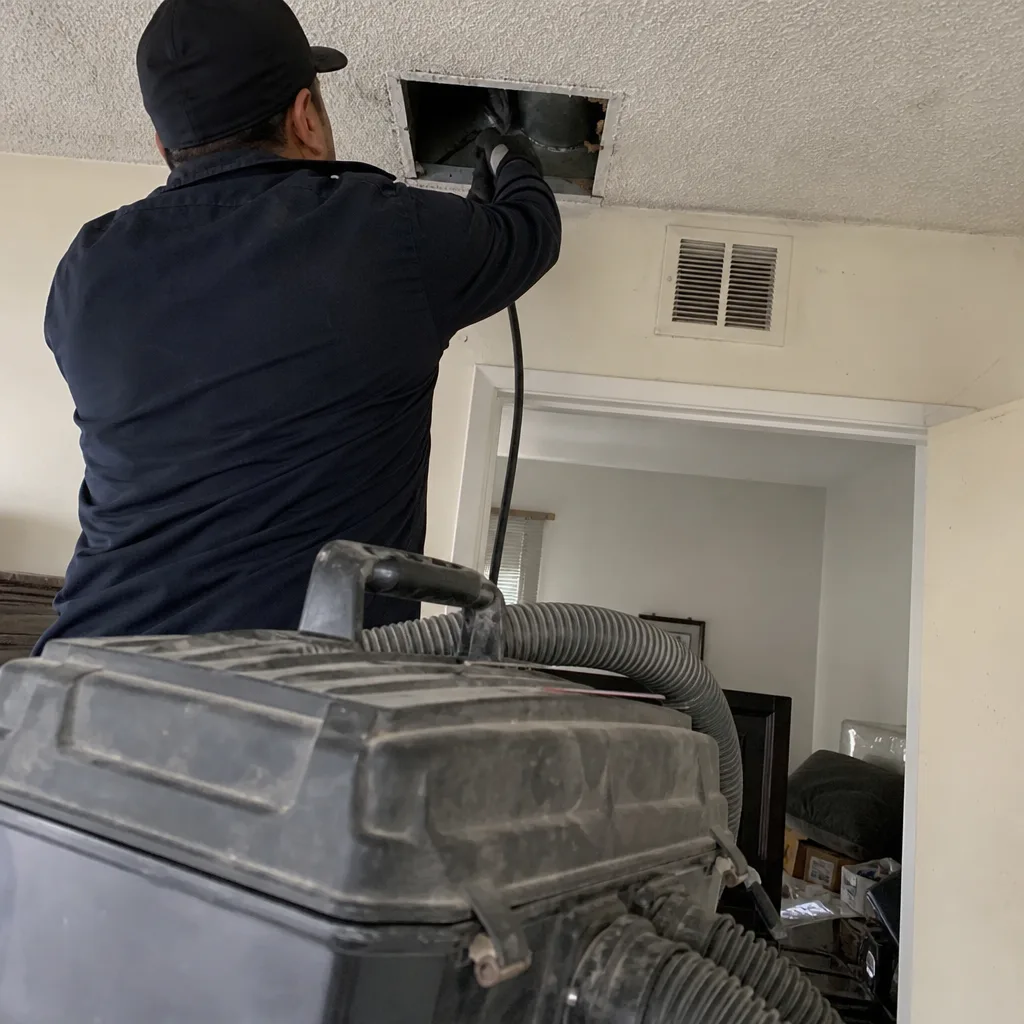 Before
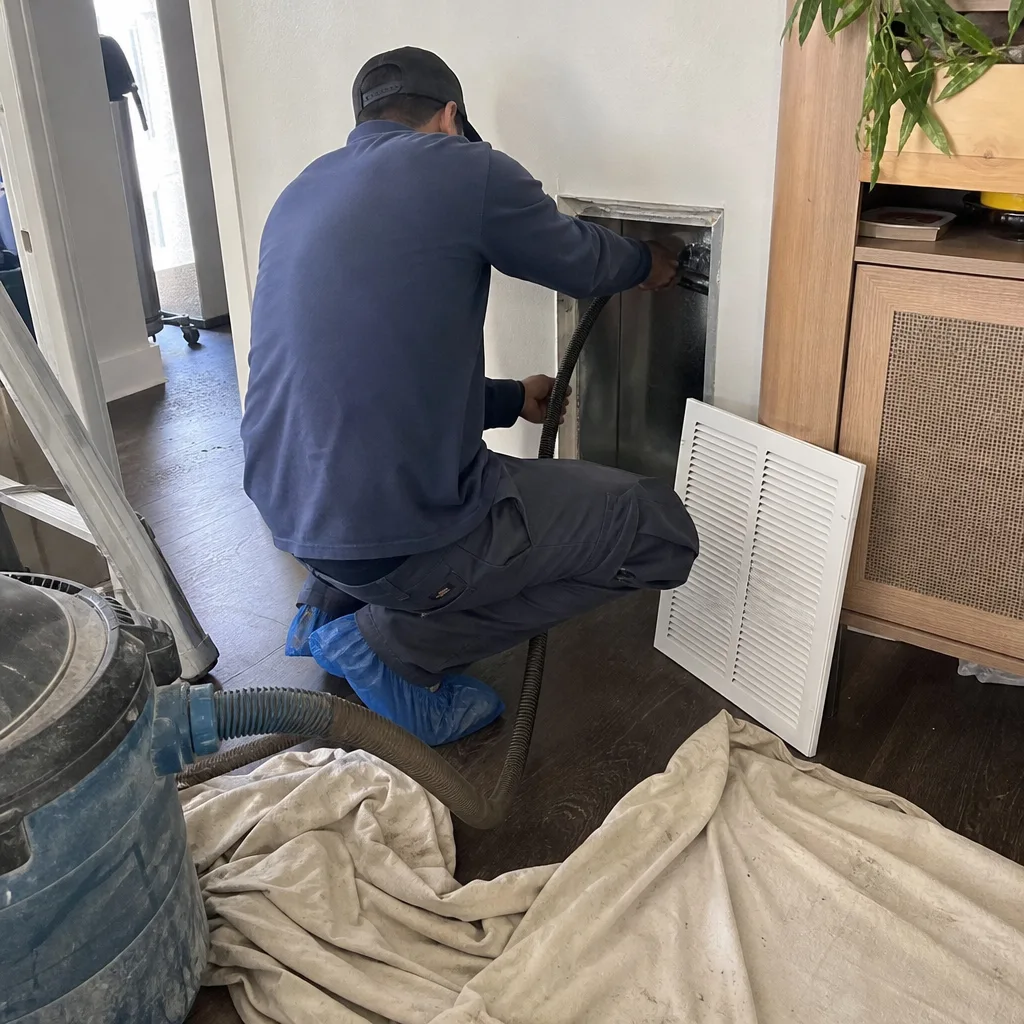 After
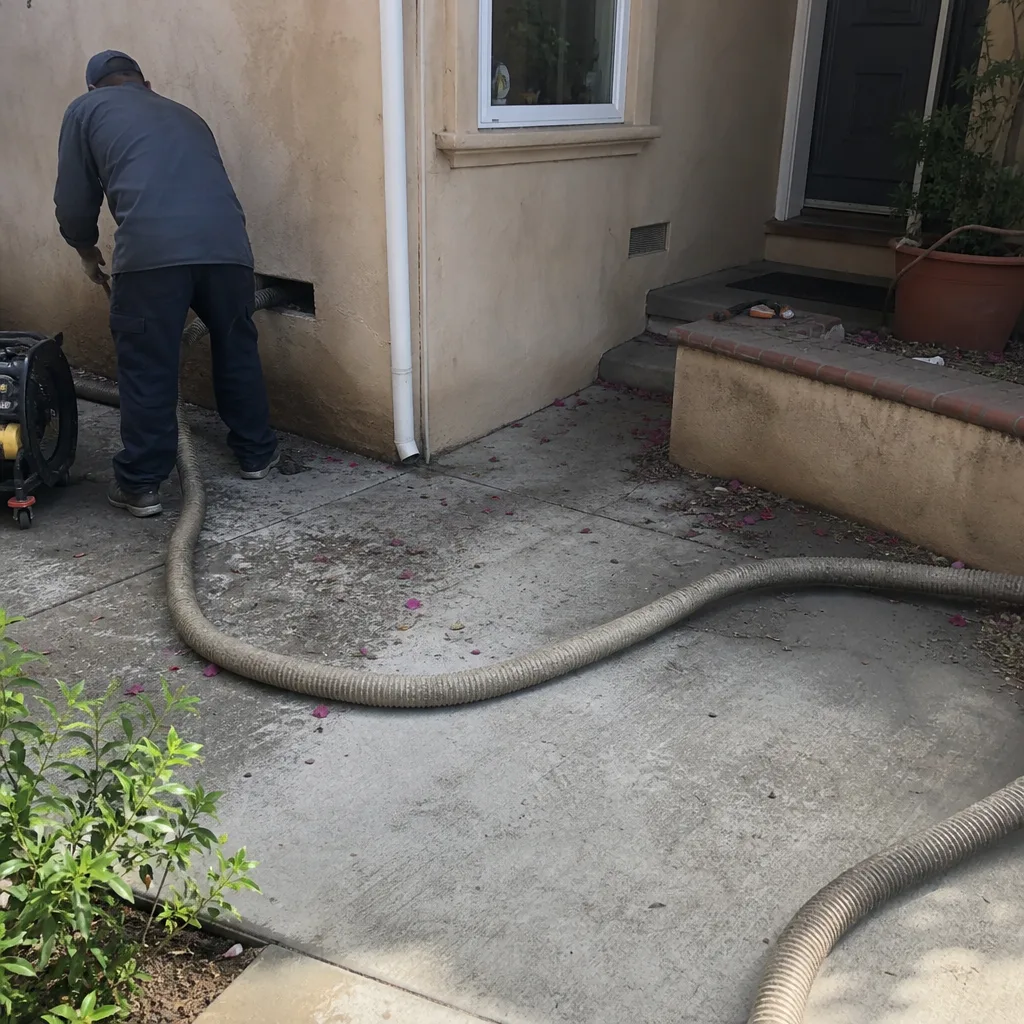 Before
 After
 Before
 After
When to Call a Professional
This entire regulatory landscape only matters if your duct cleaning discovers a condition that pushes the project past maintenance. If you see mold on vent surfaces, smell persistent musty air from registers, hear rattles indicating separated duct sections, or notice rooms that never heat or cool properly, your system likely needs more than cleaning. A visual inspection with a scope camera will usually clarify the findings. If damage or contamination is found, the contractor should define the repair scope in writing before proceeding, and you should verify licensing. Duct Cleaning Carson offers free estimates in Carson – call (866) 569-6170 to schedule a system assessment. Our team documents findings before any proposed work, and our Air Duct Cleaning in Manhattan Beach operation follows the same scope discipline.
Frequently Asked Questions
No. Routine duct cleaning as maintenance requires no permit in Carson, Los Angeles County, or anywhere in California, because no building code regulates the removal of dust and debris from an existing, functioning system. A permit becomes necessary only when cleaning turns into alteration – replaced duct sections, new access panels, relocated registers – under the California Mechanical Code and the City of Carson’s mechanical permit requirements. If you’re asking this question because a contractor mentioned “possible extra work,” get the scope in writing before proceeding.
Whole-system duct cleaning in the Carson area typically costs between $350 and $650 for a single HVAC system, with larger homes or systems with multiple air handlers running higher. That range assumes professional-grade equipment and documentation, not a vent-count pricing model that invites upsell games. Prices in Carson’s older housing stock can run higher when systems include long flex runs or poor access. Call (866) 569-6170 for an exact quote – we price one flat rate per system before work starts.
Low-priced duct cleaning quotes usually reflect a vent-count pricing model, where a teaser price buys access and the real invoice arrives after “issues” are “discovered.” The equipment also differs: a portable shop-vac setup costs nothing like Rotobrush or Nikro machinery with Abatement Technologies negative-air capture. If a price under $200 for a whole system shows up in Carson, expect the project to generate expensive follow-up findings. The industry’s discount segment contracts on scope creep.
Request before-and-after photos of the duct interior at the trunk line and each major branch, which any professional operator will capture with a scope camera. A written scope report identifying debris levels before work, access points used, and findings after provides the record you’ll want later. Contractor-grade equipment from brands like Rotobrush produces a measurable change in interior surfaces; insist on seeing it. For Dryer Vent Cleaning in Manhattan Beach and similar services, a post-cleaning airflow check should be standard.
It depends on whether the mold is on porous or non-porous material. Mold on hard duct surfaces can sometimes be removed as part of a proper cleaning. Mold penetrating insulated flex duct lining means replacement of the porous material, not surface treatment, under CDPH remediation guidelines. If building materials beyond the ductwork – drywall, insulation, framing – show contamination, the work falls to a licensed mold remediator, not a duct cleaning crew. Any cleaning company that sprays mold and calls it done should be asked to leave.
Duct cleaning addresses the accumulated material inside your duct system – dust, debris, pet dander, construction remnants – that circulates through your air handling cycle. After cleaning, the system simply holds and moves less of that material. We make no medical claims; what we can tell you is that in Carson, where HVAC systems run heavily from June through October, contaminant buildup provably increases. Combined with quality filtration like Honeywell or Aprilaire media systems, quarterly air movement through clean ducts means less particulate in the air you breathe.
The Bottom Line
Duct cleaning in Carson needs no permit. The permit conversation begins when a cleaning discovers damage that requires alteration, and that conversation is governed by California Mechanical Code, Title 24 energy compliance, CDPH mold guidelines, and the City of Carson’s mechanical permit process. Not federal EPA advisories. If you understand where the maintenance line sits and demand written scope before any new work gets approved, you avoid the trap that snags so many homeowners: a same-visit repair that becomes an unpermitted modification three years later in escrow. Document, verify licensing, and never accept a verbal “no permits needed” as the final word.
Written by the team at Duct Cleaning Carson, serving Carson since 2011.